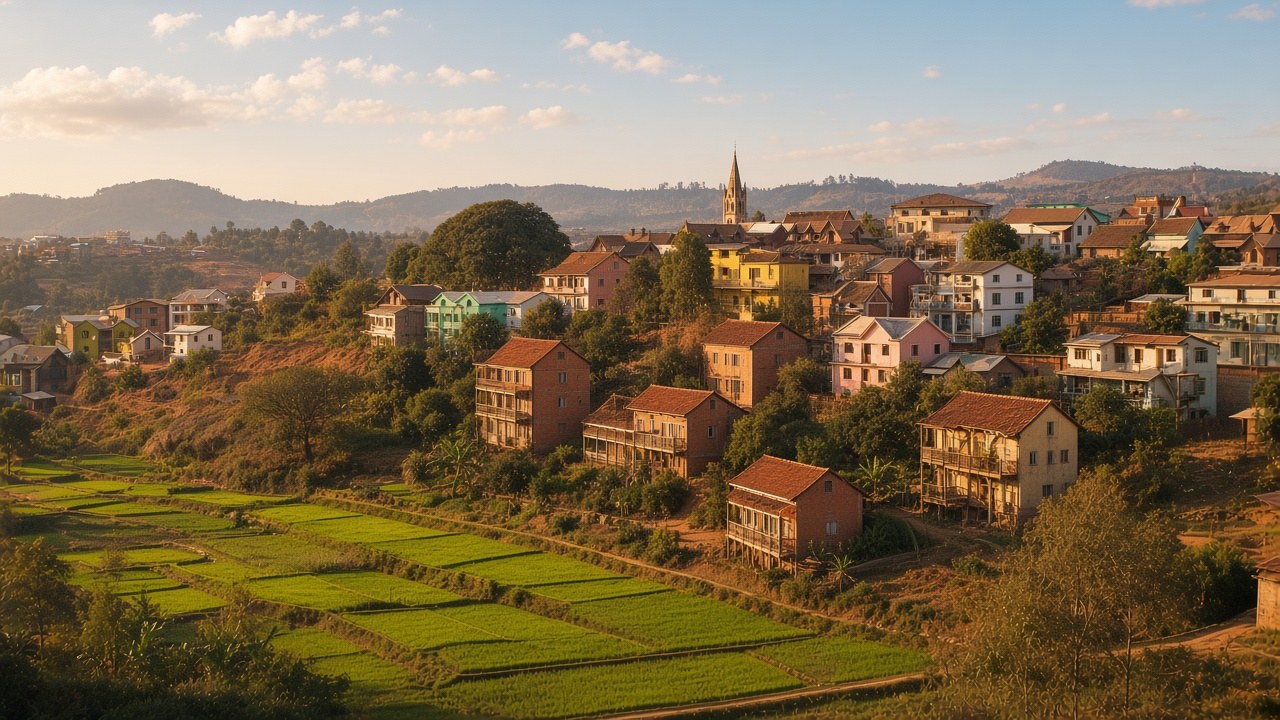
Madagascar is a large island with several climates, so there is no single perfect month for every traveller. The west and south are dry for much of the year and can be extremely hot before the rains. The east stays green and wet even in the so-called dry months. The highlands around Antananarivo are cooler, and the north around Diego Suarez has its own rhythm of wind, sea and occasional heavy rain.
This guide explains how the seasons work, what each month is like, and when to go if you care most about lemurs, whales, baobabs, hiking or quiet roads. Use it together with our national parks list and map when you sketch a route.
How Madagascar’s Seasons Work
Broadly, the dry season runs from April or May to October, and the wet season from November to March. The wettest and most unstable period is usually January to March, when tropical storms and cyclones can affect the east and northeast. Even then, the southwest often stays relatively dry, while rainforest parks such as Andasibe and Ranomafana can receive rain in any month.
Road conditions matter as much as the weather itself. National Route 7 between Antananarivo and Tulear is paved and usable all year, which is why the classic south circuit is the most flexible itinerary. Tracks to the Tsingy de Bemaraha, the Tsiribihina River and parts of the far north and northeast can become slow or temporarily impassable after heavy rain. If your trip depends on those routes, the drier months are the safer choice.
Clearer skies, easier park trails and more reliable roads in the west and south. July and August are the busiest months with European school holidays.
Good wildlife, fewer crowds and, in November, baby lemurs in many parks. Some afternoon storms appear as the rains return.
Lush landscapes, lower lodge rates and dramatic skies, but heat, mosquitoes and a real risk of cyclone delays on the east coast.
Best Time by Interest
Wildlife and Lemurs
You can see lemurs all year, but viewing is often easiest in the dry season, when animals gather around remaining water and deciduous forest has less leaf cover. September to November is a favourite period for many guides: the weather is warming, infants appear in several species, and reptiles are more active. Night walks in Andasibe and Ranomafana are rewarding in every season, though trails are muddier from December to March.
Humpback Whales
Humpback whales migrate along the east coast in the austral winter. The most reliable window around Sainte-Marie is roughly late June to early September, with July and August at the heart of the season. Whale watching is also possible off the northeast and, in some years, from parts of the south. For a dedicated trip, see our Madagascar whale watching guide and the Sainte-Marie Whale Tour.
Baobabs and the West
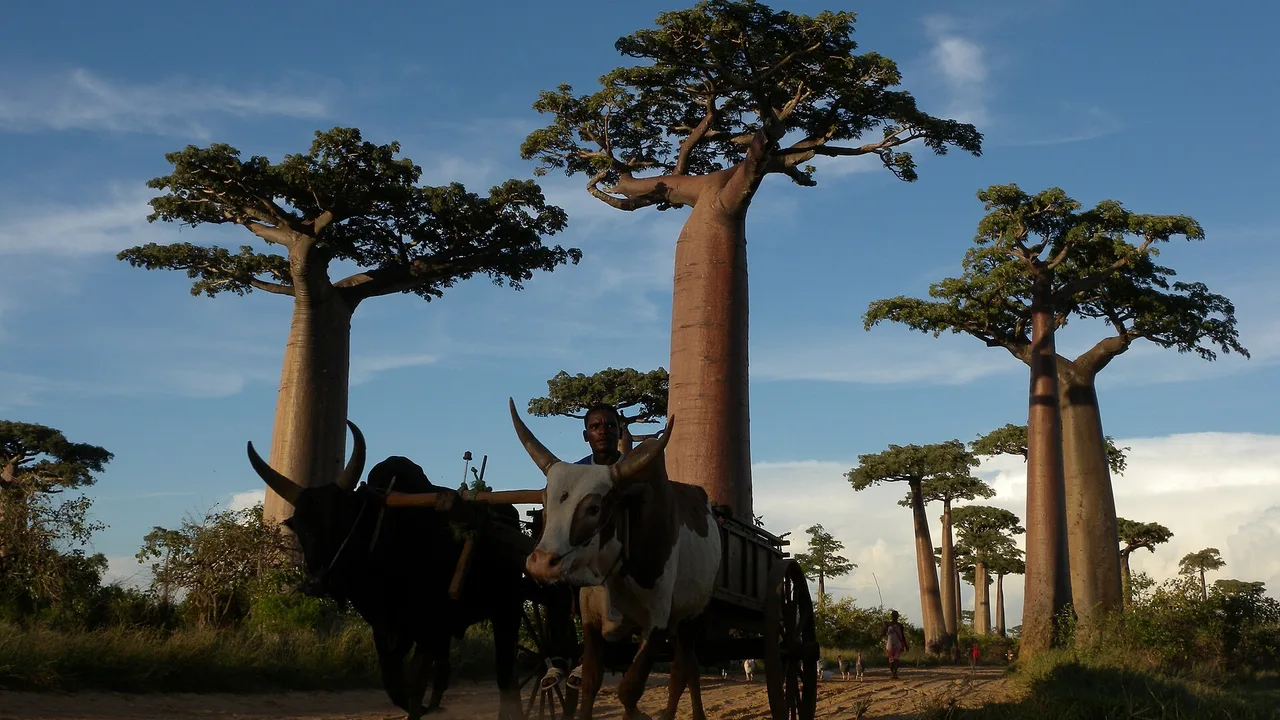
The Avenue of the Baobabs near Morondava is photogenic all year. The dry months give dusty, golden light at sunset; the wet months can add dramatic clouds and a green understorey. Access to the Tsingy de Bemaraha is the limiting factor: the park and the road from the coast are typically at their best between about April and early November, and sections may close or become very difficult in the rains.
Beaches and Islands
Nosy Be and the northwest are pleasant for swimming through much of the dry season. The sea is generally calmer in these months, and this is also when many travellers combine the islands with Amber Mountain and Ankarana. The austral summer is hotter and more humid, with a higher chance of heavy rain. Sainte-Marie is at its most popular during whale season; the rest of the year is quieter and still beautiful, but it can be wet, especially from January to March.
Hiking and Canyons
Isalo, Andringitra and the Tsingy are more comfortable in the dry season, when rock is less slippery and river levels are lower. September and October can be very hot in Isalo and the southwest, so early starts are essential. In the highlands, June to August nights are cool, sometimes cold, and a warm layer is useful even if the days are sunny.
- The classic south is flexible all year on the Madagascar RN7 Tour.
- For baobabs and the Tsingy in the dry months, look at the Madagascar West Tour.
- Prefer islands and whales in winter? See the Sainte-Marie Whale Tour.
Month-by-Month Guide
January to March
This is the core of the wet and cyclone season. The east and northeast, including Masoala, Maroantsetra and parts of the vanilla coast, are the most exposed. Flights and boat crossings can be delayed. Landscapes are at their greenest, lodges are often cheaper, and you will share parks with fewer visitors. It is a reasonable time for a carefully planned RN7 trip or a stay on the southwest coast, provided you keep plans flexible and watch weather forecasts.
April and May
The rains ease, roads in the west begin to dry, and the Tsingy usually becomes a realistic goal again. This is one of the best shoulder periods: comfortable temperatures in many regions, good light for photography and fewer crowds than mid-year. It is an excellent window for a first visit that combines Andasibe with the highlands and the south.
June to August
These are the most popular months, especially July and August. Days are generally dry, whale watching is at its peak, and long overland journeys are reliable. The highlands can be chilly at night, and popular parks and island hotels book up early. If you travel then, reserve lodges and a driver well in advance, and start park walks early to avoid both heat and groups.
September to November
A superb stretch for wildlife. Infants are visible in several lemur species, reptiles and frogs become more active as temperatures rise, and the west is still accessible until the rains return. October and November bring more heat, especially in Morondava, Tulear and the deep south, and the first afternoon storms appear. This is a favourite period for photographers and returning visitors.
December
The rains are back in many areas, and the Christmas and New Year holiday brings a short spike in demand from regional and European travellers. It can still be a good month for beach time in the west or north if you accept some humidity and the chance of storms. Confirm domestic flight schedules, as this is also a busy period for local travel.
| Goal | Best window | Notes |
|---|---|---|
| First trip, mixed circuit | April to June, or September to October | Reliable roads and comfortable temperatures |
| Humpback whales | Late June to early September | Sainte-Marie is the classic base |
| Tsingy de Bemaraha | April to early November | Confirm the road and park opening before you book |
| Lemur infants and activity | September to November | Warming weather, busy wildlife |
| Lower prices, fewer people | January to March, or November | Accept rain and keep the itinerary flexible |
Regional Differences You Should Plan Around
The RN7 south, from Antananarivo through Fianarantsoa, Ranomafana and Isalo to Tulear, is the most year-round route. The west around Morondava and the Tsingy is outstanding in the dry season and more constrained in the rains. The north around Diego Suarez is attractive for much of the year, with a windy dry season that kitesurfers appreciate and a hotter, wetter summer. The east coast and Masoala are always more humid; time a visit there when you can accept rain in exchange for rainforest and, in season, whales.
If you only have two weeks, do not try to see the north, the west and the south in one loop. Distances are long, and domestic flights do not always run to schedule. A tighter circuit matched to the season will give you more time on trails and less time in transit. Our popular itineraries and routes show how the main circuits are usually combined.
Crowds, Holidays and Prices
July, August and the Christmas period are the busiest. Easter can also be busy in some coastal resorts. In peak months, mid-range lodges near Andasibe, Isalo, Morondava and Nosy Be often range from about EUR 80 to 180 per night, and the better rooms sell out. In the wet season, the same rooms may drop noticeably, and you have more choice at short notice. A private 4×4 with driver typically costs about EUR 90 to 150 per day including fuel on standard routes, with higher rates for long west-coast or deep-south tracks.
Booking a driver and lodges a few months ahead is wise for June to September. For April, May or late November, a few weeks can be enough, though special stays and small safari-style lodges still benefit from early reservations.
What to Pack for the Season
- A light rain jacket in every month, and a proper waterproof if you visit the east
- Closed shoes with grip for park trails, which stay muddy in the rainforest
- A warm fleece for highland nights from June to August
- Sun protection and a hat, especially for Isalo, Tulear and the Avenue of the Baobabs
- Light, long clothing and a trusted insect repellent in the wet months
Common Timing Mistakes
The most frequent mistake is to plan the Tsingy, a river descent and a remote northeast park in January as if they were as straightforward as the RN7. Another is to visit Sainte-Marie in July without booking boats and rooms early, or to walk Isalo at midday in October. A third is to underestimate how much time overland travel consumes, then arrive at parks too late for the best morning wildlife.
Build in buffer time around domestic flights, and keep one afternoon free every few days. Madagascar rewards travellers who unhurry their schedule, especially when the weather turns.
Where to Stay, Season by Season
In the dry peak, stay inside or beside the parks rather than commuting from the nearest town if you can: early starts are easier and you hear the forest at dawn. In the wet season, choose lodges with good access roads and a generator or reliable power, and keep a plan B if a secondary track is closed. Browse regional pages such as Morondava accommodation, Andasibe accommodation and Sainte-Marie accommodation when you match rooms to your dates.
Frequently Asked Questions
What is the best month to visit Madagascar?
April, May, September and October suit most first-time visitors: dry or drying roads, good wildlife and fewer crowds than July and August.
Can I visit Madagascar in the rainy season?
Yes, especially along the RN7 and in the southwest, if you keep plans flexible. The east and some western tracks are more affected by heavy rain and cyclones between January and March.
When is whale season in Madagascar?
Humpback whales are usually seen from late June to early September, with Sainte-Marie the best-known viewing area.
When is the Tsingy de Bemaraha accessible?
Generally from about April to early November, depending on the rains and the state of the road from the coast. Always check shortly before you travel.
Is July a good time to go?
Yes for weather, whales and road conditions, but it is peak season. Book lodges, drivers and popular excursions early.
Get Your Free Custom Madagascar Tour Quote Today!
Tell us your dates and what you most want to see. We will suggest a realistic seasonal itinerary and arrange drivers, guides and lodges on the ground.
Browse Multi-Day Tours Explore Short Excursions