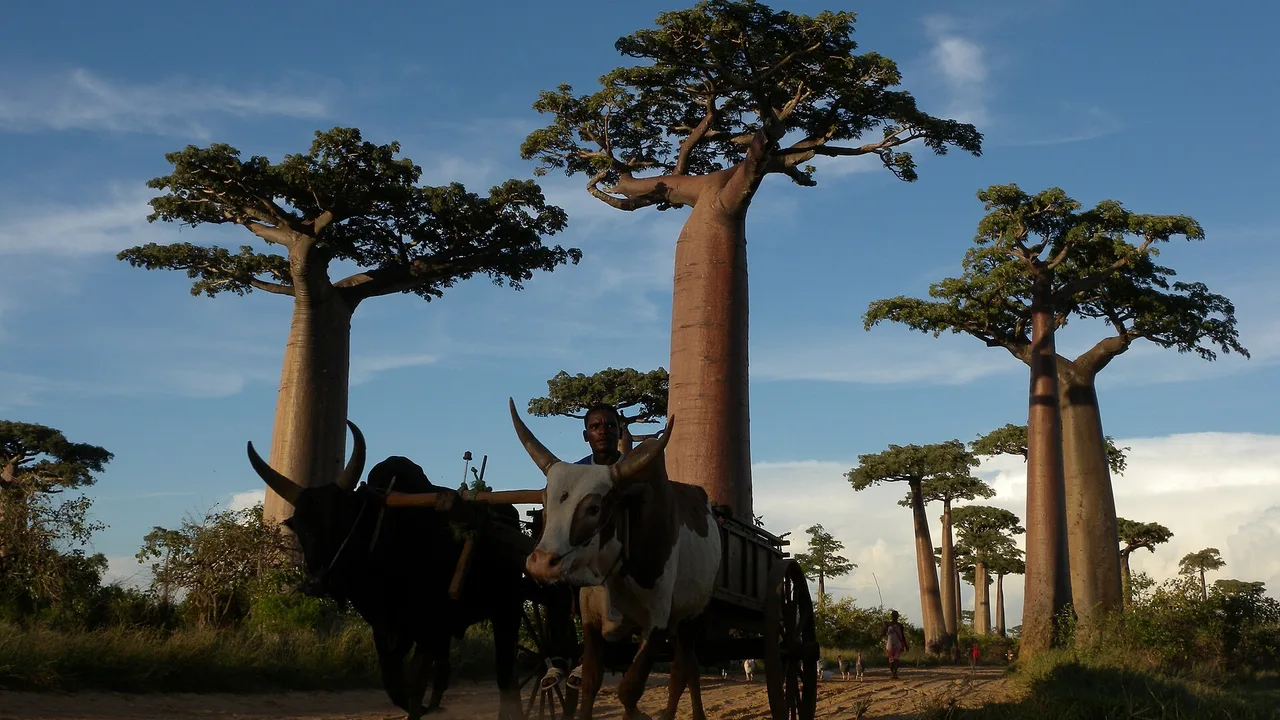
Baobabs are as much a symbol of Madagascar as lemurs, and they are not a single tree in a single photograph. The country holds most of the world’s baobab species, from the huge, smooth-trunked Grandidier’s baobabs of the west to the smaller, bottle-shaped trees of the south-west spiny forest and rarer northern species. The Avenue of the Baobabs near Morondava is the famous image, and it deserves a proper visit, but it is not the whole story, and it is a poorer experience if you treat it as a twenty-minute stop between two long drives.
This guide is about Madagascar’s baobabs as a set of trees and places: what you are looking at, where else to see them, and how to plan the light and the night nearby. The detailed logistics of the famous road itself are in the Avenue of the Baobabs guide, which you should read before you book Morondava. The visit Morondava page places the avenue in a western stay.
The Species You Are Most Likely to Meet
Grandidier’s baobab, Adansonia grandidieri, is the tall, columnar tree of the Avenue and of other western stands: the silhouette everyone already knows. In the south-west, around Ifaty and the Reniala reserve, you will meet other species, including the fony baobab, Adansonia rubrostipa, which often has a more bottle-like trunk and a different, very photogenic bark and crown. Adansonia za is more widespread in the south and west. Further north, around the Diego Suarez region, there are rarer species that a specialist or a careful northern itinerary might include, but they are not a casual roadside extra on a first trip.
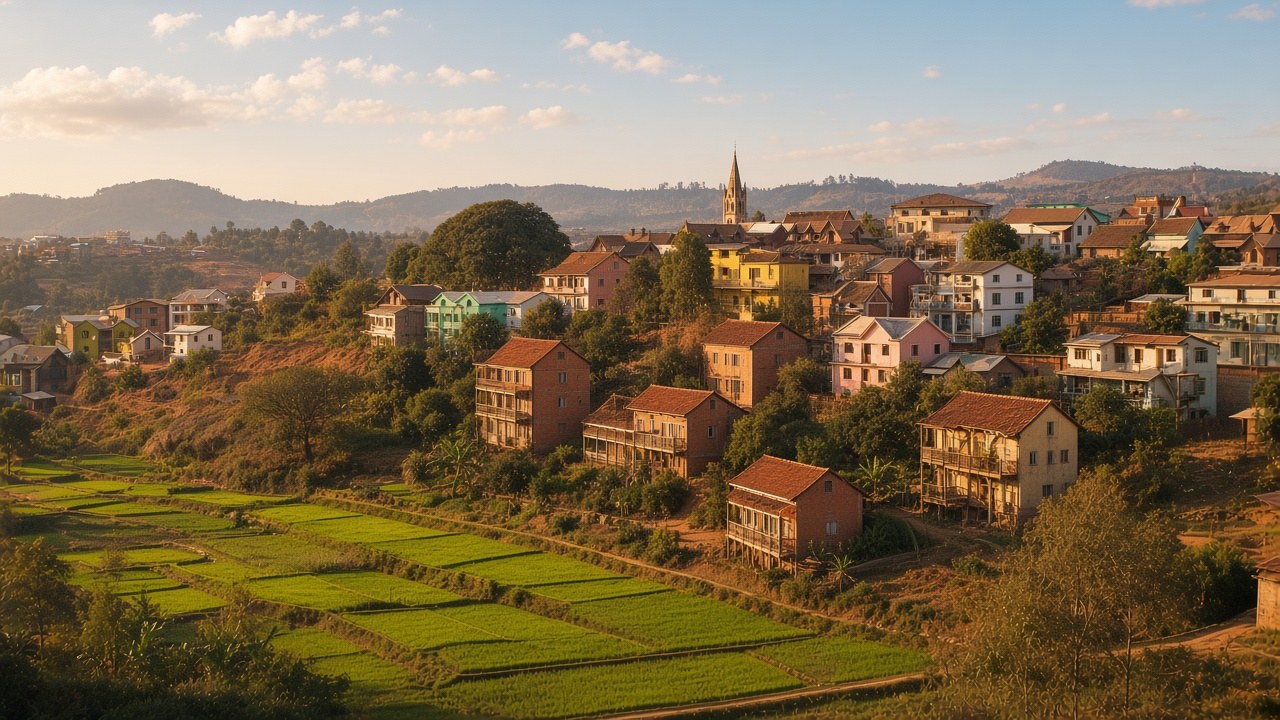
You do not need to memorise the Latin names to enjoy the trees. It does help to know that a baobab at Reniala is not a failed version of the Avenue, and that the Avenue is a particular species in a particular landscape of rice fields, red earth and late light. A guide can show you the differences if you are interested; a slow walk is more useful than a list.
Grandidier’s baobabs, sunset and, if you stay, sunrise, plus nearby trees such as the so-called Baobabs Amoureux.
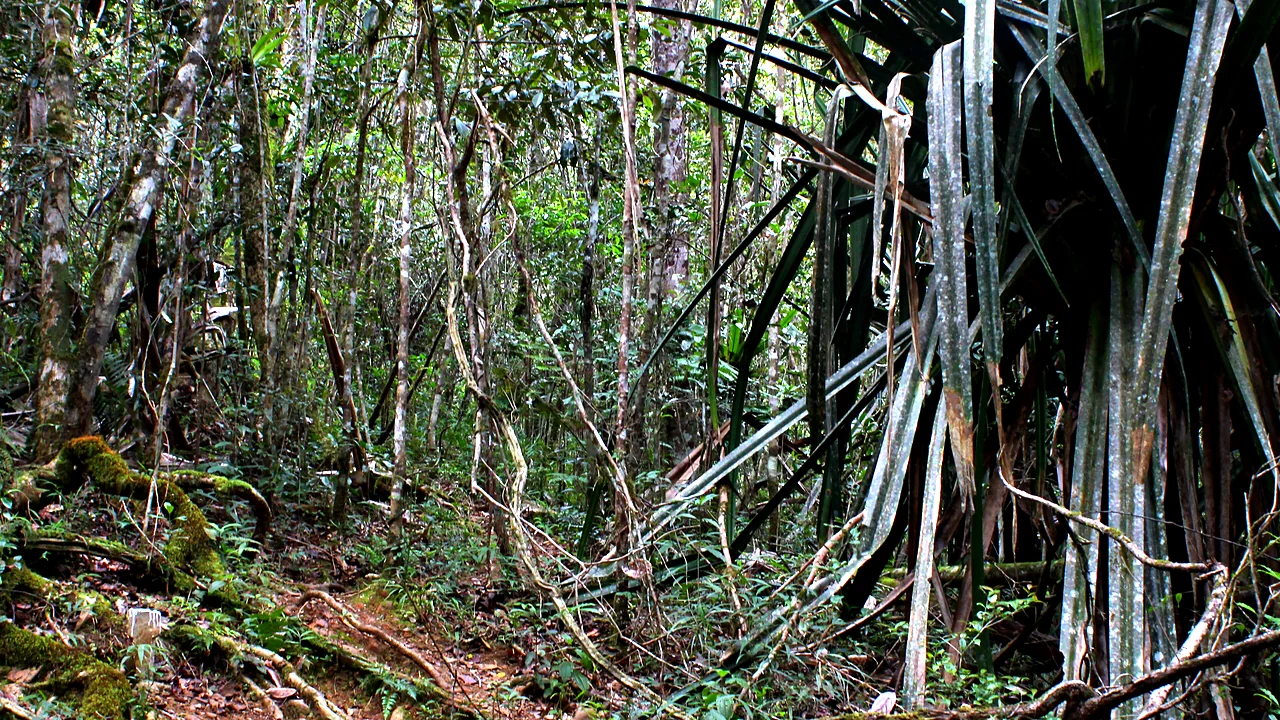
A spiny-forest walk among different baobab species, easily combined with a beach stay after the RN7.
Other western and southern sites, and specialist northern species, for travellers who have time beyond the postcard.
Where to Go, and How Long to Stay
For most first-time visitors, Morondava is the baobab journey. Fly or travel west, give the Avenue a late afternoon and, if you can, a sunrise, and add a night at Kirindy if wildlife is part of the same chapter. The avenue excursion and the Lovers’ Baobabs excursion are the usual short outings; they are much better if you are already sleeping nearby rather than racing from a late flight. The Kirindy guide explains how to combine dry-forest nights with the trees.
On a southern road trip, Reniala near Ifaty is the baobab walk that fits a coastal finish. The Reniala Reserve excursion is a morning well spent, and it is one of the reasons to choose Ifaty in the Ifaty and Anakao guide. You will not see the same monumental avenue, and you will see a forest of strange, wonderful trees at close range, which is a fair swap. Do not try to add Morondava to the end of an RN7 simply to collect both, unless you have flights and nights to do it properly.
A western stay of three to five nights can include the Avenue, a second baobab site, Kirindy, and, in the dry season with more time, the Tsingy. A single sunset, a dinner, and a flight the next morning is the version people regret. Use the Madagascar West Tour or a custom version of it, and read the Tsingy guide before you attempt to add limestone to the same week.
- Start with the Avenue of the Baobabs excursion.
- Add a south-west walk at Reniala if your route ends near Tulear.
- Or travel the Madagascar West Tour.
Light, Season, Costs and Manners
Late afternoon and early morning are the hours that make baobabs look as they do in the photographs you already know. Midday is harsh, hot and less kind to the trees and to you. The dry season is the most practical for the western roads and for sitting out at dusk; the wetter months can be dramatic with heavier skies, at the cost of more difficult tracks. The best time to visit Madagascar applies here with a western emphasis.
The Avenue is a lived-in landscape, not a gated park in the usual sense, and it can be busy at sunset. Stay off fragile ground where you are asked to, be careful of traffic, and keep some courtesy towards people who live and work there, as the etiquette guide would also ask. At Reniala, walk with a guide, stay on the path, and do not carve or climb. A short baobab outing from Morondava, including a driver, often sits in a modest planning range of a few tens of euros per person, more as a private sunset trip; a Reniala morning is a similar short-excursion cost. The larger expense is being in the region at all: lodges, the driver or the flight. See travel costs and Morondava accommodations.
| Item | Typical planning range |
|---|---|
| Sunset or sunrise at the Avenue | A short excursion plus, ideally, a nearby overnight |
| Reniala morning walk | A short excursion from Ifaty or Tulear |
| Useful western baobab stay | Three to five nights in the Morondava area |
| Best light | Late afternoon and early morning, not midday |
A Little More Context Before You Go
Baobabs are slow trees in a landscape that is changing. You will see seedlings in some reserves, and you will also see mature giants that have stood beside paths and fields for a very long time. That is one reason to stay on marked ground and not to compact the soil around a famous trunk for a better photograph. It is also a reason to support sites such as Reniala, where the forest is interpreted and protected as you walk, rather than only consumed as a backdrop.
If you are combining baobabs with a first-time lemur trip, the west remains the clean pairing: Andasibe, a flight to Morondava, the Avenue, Kirindy, and a buffer before you fly home. If you are already committed to the RN7, let Reniala be the baobab chapter and be content. The trees will not be offended, and your schedule will be much kinder. That choice, more than any camera setting, is what makes a baobab visit feel complete.
Tips and How Baobabs Fit a First Trip
The main mistake is a fleeting sunset and a late dinner, with no sunrise and no second site. The second is to confuse all baobabs with the Avenue and to be disappointed by a different, equally remarkable species in the south-west. The third is to add the west as a one-night flight in the middle of an RN7, which helps nobody, least of all you. If this is a first trip, choose either a proper west-coast chapter or a south-west finish with Reniala, as the first-time guide already suggests, rather than both in a hurry.
Photographers should arrive early enough to walk, not only to stand in a line of cars. A private driver makes the dawn outing easy. Pack a layer for the evening, dust protection for the camera, and patience. The trees will still be there if you stay twenty minutes after the main crowd has left, which is often when the Avenue feels like a place again rather than a viewpoint.
Baobabs are worth travelling for, and they are worth travelling towards slowly. Give them the night nearby, and they will repay you more than a single, famous silhouette in a memory card.
Frequently Asked Questions
Is the Avenue of the Baobabs the only place to see baobabs?
No. It is the most famous stand of Grandidier’s baobabs. Reniala and other southern and western sites show different species in different landscapes.
When is the best time of day?
Late afternoon and sunrise. Midday is the weakest light and the hottest hour.
How many nights should I spend in Morondava?
Enough for a sunset and a sunrise at least, and more if you are adding Kirindy or the Tsingy. One rushed night is the plan to avoid.
Can I see baobabs on an RN7 trip without flying west?
Yes, on a morning walk at Reniala near Ifaty, which is a different and very worthwhile kind of baobab forest.
Do I need a guide?
At the Avenue a driver or a short guided stop is enough for most visitors. In a reserve such as Reniala, a guide is part of the visit and makes the walk better.
Get Your Free Custom Madagascar Tour Quote Today!
Tell us whether the Avenue, a south-west baobab forest, or both are part of your plan. We will build nights and transfers around the light, not around a twenty-minute roadside stop.
Browse Multi-Day Tours Explore Short Excursions