West of Morondava, a straight dirt road runs between two rows of towering Grandidier’s baobabs. At the end of the day the trunks catch the last light, ox carts pass in silhouette, and the sky often turns a deep orange. It is an image many people know before they can place Madagascar on a map. The surprise, when you arrive, is how easy the site is to reach from town and how much more there is around it if you stay longer than one evening.
This guide covers how to visit the Avenue of the Baobabs, when to go for sunrise or sunset, which neighbouring sites are worth your time, and how to fold the avenue into a wider west-coast trip. For a broader introduction to the town itself, start with our guide to visiting Morondava.
For the six baobab species and the other places to see them, see our guide to Madagascar baobabs.
What the Avenue Actually Is
The avenue is not a formal park with a single gate in the way Isalo or Andasibe are. It is a stretch of rural road, used daily by local people, lined with baobabs that have stood for centuries. The most famous species here is Adansonia grandidieri, tall and smooth-trunked, with a crown that looks almost modest compared with the column beneath it. A community-managed site now welcomes visitors, and you should expect to pay an entry contribution and to share the road with carts, bicycles and the occasional zebu.
Because it is a living landscape rather than a fenced attraction, the respectful approach is simple: stay off the trunks, do not climb the trees, take your litter with you, and give working carts the space they need. Drones and professional shoots may require extra permission. The trees will still be there if you put the camera down for a few minutes and watch the light change.
The classic view, about 30 to 45 minutes from Morondava, busiest in the last hour of the day.
Fewer people, softer colour, and a cooler walk along the same road.
Baobabs with local stories, usually visited on the same outing as the main avenue.
How to Get There
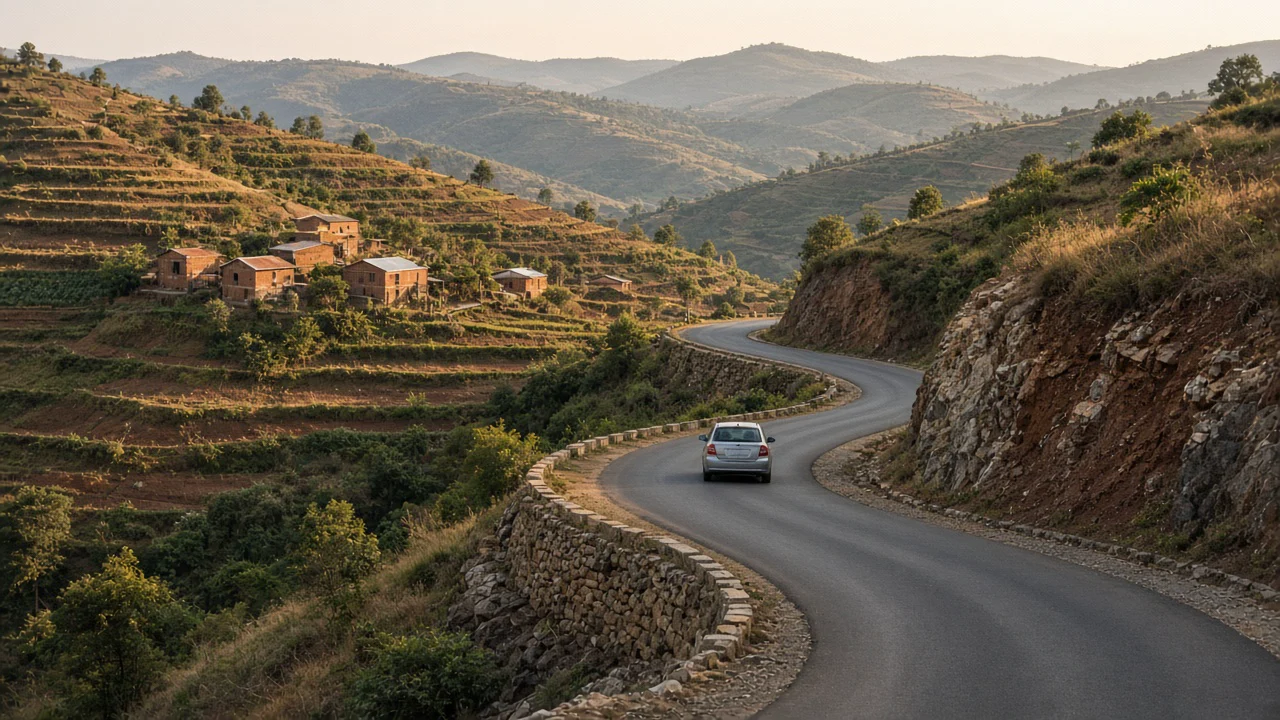
Almost everyone reaches the avenue from Morondava, on the west coast. The town has an airport with domestic flights from Antananarivo and sometimes other cities, and a long road link from the highlands. From Morondava, the drive is short, on a sand and laterite road that is usually fine for a 4×4 in the dry season and can be slower after heavy rain. A private transfer from the airport to town is easy to arrange; see our Morondava airport transfer guide and the airport transfer to the Avenue of the Baobabs if you want to go straight to the trees after a flight.
The simplest visit is a half-day outing timed for sunset, or a pre-dawn departure for sunrise. Our Avenue of the Baobabs excursion is built around that timing, and a half-day driver in Morondava gives you the same flexibility if you already have a vehicle for the rest of the trip. Public transport exists but leaves you less control over the light, which is the whole point of the visit.
- See the trees at the right hour on the Avenue of the Baobabs excursion.
- Add the forest next door with the Kirindy Reserve excursion.
- For a longer west-coast circuit, look at the Madagascar West Tour.
Sunrise or Sunset?
Sunset is the famous hour, and for good reason: the trunks glow, the sky is often dramatic, and you share the moment with other travellers. That also means more vehicles, more tripods and more people walking into the frame. Arrive earlier than you think you need, walk a little away from the busiest clump of trees, and stay until after the sun has gone. Some of the best colour appears once the official sunset is over.
Sunrise is quieter and cooler. The light can be paler, with mist on some mornings in the cooler months, and you will have more of the road to yourself. Photographers who want both often stay two nights in Morondava, go out at sunset on the first evening and return at dawn the next day. If you only have time for one visit, choose according to your flight schedule and your tolerance for crowds, not according to social media alone.
Midday is the least flattering time for photographs, with harsh overhead light, but a drive along the road can still be interesting if you are passing anyway on the way to Kirindy or Belo-sur-Mer. The baobabs are monumental at any hour; only the sky changes.
Nearby Places Worth Combining
Lovers’ Baobabs and the Sacred Tree
A short drive from the main avenue, a pair of baobabs that have grown together is known as the Lovers’ Baobabs, and a large sacred baobab nearby is tied to local beliefs. These stops add stories to the landscape and are often included in the same afternoon. The Lovers’ Baobabs and Sacred Tree excursion covers them in a relaxed loop.
Kirindy Forest
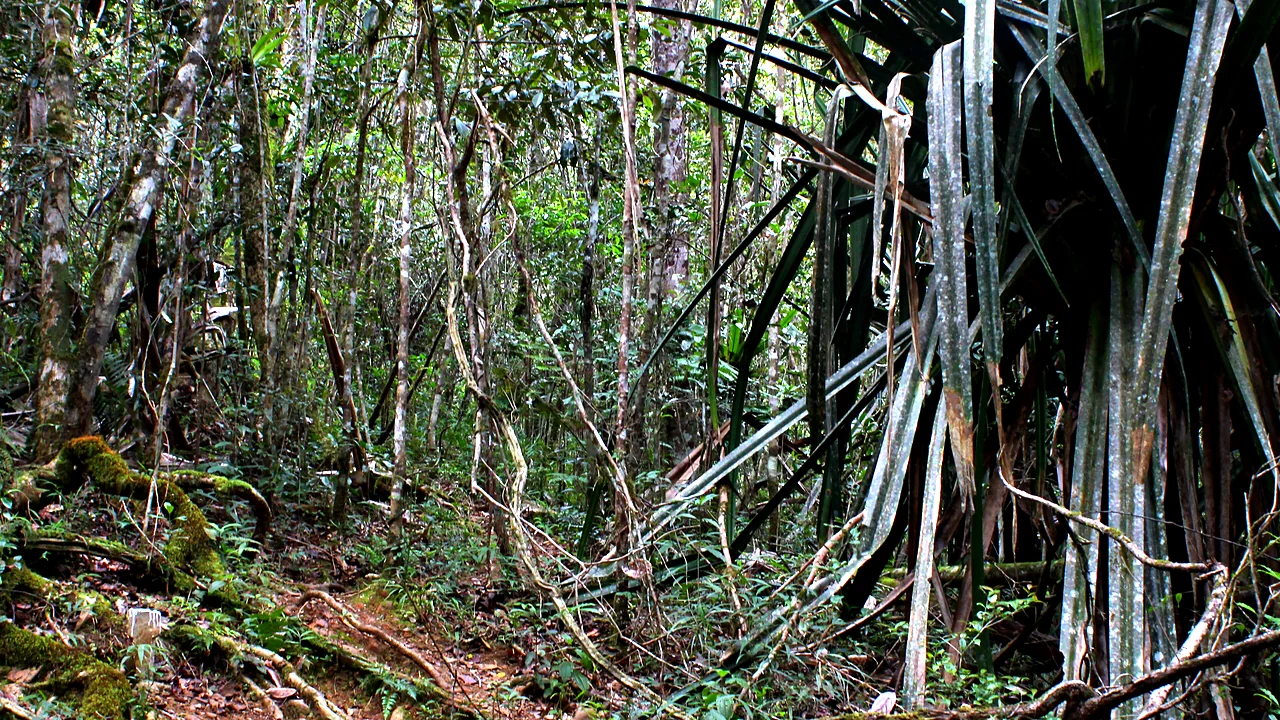
North of the avenue, Kirindy is a dry deciduous forest and one of the better places in Madagascar to look for the fossa, as well as several nocturnal lemurs. A night walk here is a different world from the open baobab road: dry leaves, torchlight and, if you are lucky, a predator on the track. Many travellers visit Kirindy in the afternoon, stay nearby, walk after dark and return via the avenue for sunset or the next sunrise.
Tsingy de Bemaraha
The limestone cathedral of the Tsingy lies further north and deserves two or three nights of its own, not a rushed day trip from Morondava. If this is your main west-coast goal, the avenue becomes an opening or closing scene rather than the whole trip. The Tsingy de Bemaraha excursion and the multi-day Morondava driver towards Kirindy and the Tsingy are the practical ways to link the three landscapes.
The Coast South of Town
Belo-sur-Mer and Vezo fishing villages offer a slower coastal contrast to the inland trees. They work well if you have an extra day and prefer the sea after the dust of the avenue. The road can be slow, so treat this as a separate outing rather than something to squeeze into the same sunset run.
When to Visit
The avenue is accessible through much of the year. The dry season, roughly April to October, gives the classic dusty road and reliable sunsets. July and August are the busiest months. October can be very hot. In the wetter months, usually from December to March, the sky can be spectacular, the undergrowth greener, and the road softer; you may also get a storm that hides the sunset entirely. If the Tsingy is part of your plan, time the whole west-coast leg for the drier window. For a seasonal overview, see the best time to visit Madagascar.
How Long to Stay in Morondava
One night allows a single sunset or sunrise and feels hurried if your flight times are awkward. Two nights is the comfortable minimum: one session at the avenue, one visit to Kirindy or the nearby baobab sites, and a buffer for delayed domestic flights. Three or four nights is the right length if you are continuing to the Tsingy, because you will spend a full day on the road to Bekopaka and another on the way back.
- One night: sunset or sunrise at the avenue only
- Two nights: avenue plus Kirindy or the sacred trees
- Three to four nights: avenue, Kirindy and the start of a Tsingy journey
What It Costs
A half-day private visit from Morondava, including the vehicle and the community entry, often falls around EUR 40 to 90 per car depending on the season and whether you add extra stops. A full day that includes Kirindy will be higher because of park and guide fees. Mid-range rooms in Morondava typically range from about EUR 40 to 120, with more comfortable lodges above that, especially in July and August. Meals in town are modest; a simple plate is often about EUR 5 to 12.
| Item | Typical cost |
|---|---|
| Half-day private visit to the avenue | About EUR 40 to 90 per vehicle |
| Mid-range hotel in Morondava, per night | About EUR 40 to 120 |
| Meal in a local restaurant | About EUR 5 to 12 |
| Domestic flight, Antananarivo to Morondava, one way | About EUR 150 to 300 |
Where to Stay
Most visitors stay in Morondava, which has the widest choice of hotels, restaurants and ATM access. A few lodges closer to the avenue or towards Kirindy let you reach the trees with less driving and a quieter night. If you arrive on a late flight, a town hotel is more practical; if photography is your priority, staying nearer the sites can be worth it. Browse Morondava accommodation when you compare the two approaches.
Practical Tips and Common Mistakes
- Do not try to see the Tsingy as a day trip from the avenue; the road is too long
- Leave earlier than the sunset time on the internet suggests, especially in peak months
- Take water, a hat and a torch if you stay after dark
- Wear shoes you do not mind filling with sand
- Ask before photographing people on the road; this is their thoroughfare, not a set
- Keep a spare night if you are connecting to a domestic flight afterwards
The avenue rewards a little patience. If you treat it as a box to tick between the airport and dinner, you will get the photograph and miss the slower pleasure of the place. If you give it two evenings, or an evening and a dawn, it becomes one of the most memorable landscapes in the country.
Frequently Asked Questions
How far is the Avenue of the Baobabs from Morondava?
The drive is usually about 30 to 45 minutes, depending on the road and the season.
Is sunrise or sunset better?
Sunset is more dramatic and more crowded. Sunrise is quieter and cooler. If you can, do both on consecutive days.
Can I visit the avenue all year?
Yes, though the dry months are more reliable for the road and for clear evening light. Combine it with the Tsingy only in the drier season.
How many nights should I spend in Morondava?
Two nights is the comfortable minimum for the avenue and one nearby site. Stay longer if you plan to continue to Kirindy and the Tsingy.
Do I need a 4×4?
A 4×4 is the sensible choice, especially after rain and if you are also going to Kirindy or north towards Bekopaka.
Get Your Free Custom Madagascar Tour Quote Today!
Tell us when you land in Morondava and whether you want the Tsingy as well. We will time the baobabs, the driver and your lodges around the light.
Browse Multi-Day Tours Explore Short Excursions