There is nothing else quite like the first time you hear an indri call, or watch a Verreaux’s sifaka bound sideways across an open patch of sand. Lemurs exist in the wild only in Madagascar, and they are the reason many travellers come. There are around a hundred living species and subspecies, from the large, black-and-white indri to mouse lemurs that fit in a cupped hand. You will not see all of them on one trip, and you should not try. You can, however, plan a route that gives you several unforgettable encounters.
This guide is a practical overview of where to see the best-known groups, how night walks work, and how to behave in the forest. Use it with the national parks list and map and a realistic circuit such as the two-week Madagascar itinerary.
How to Think About Lemur Watching
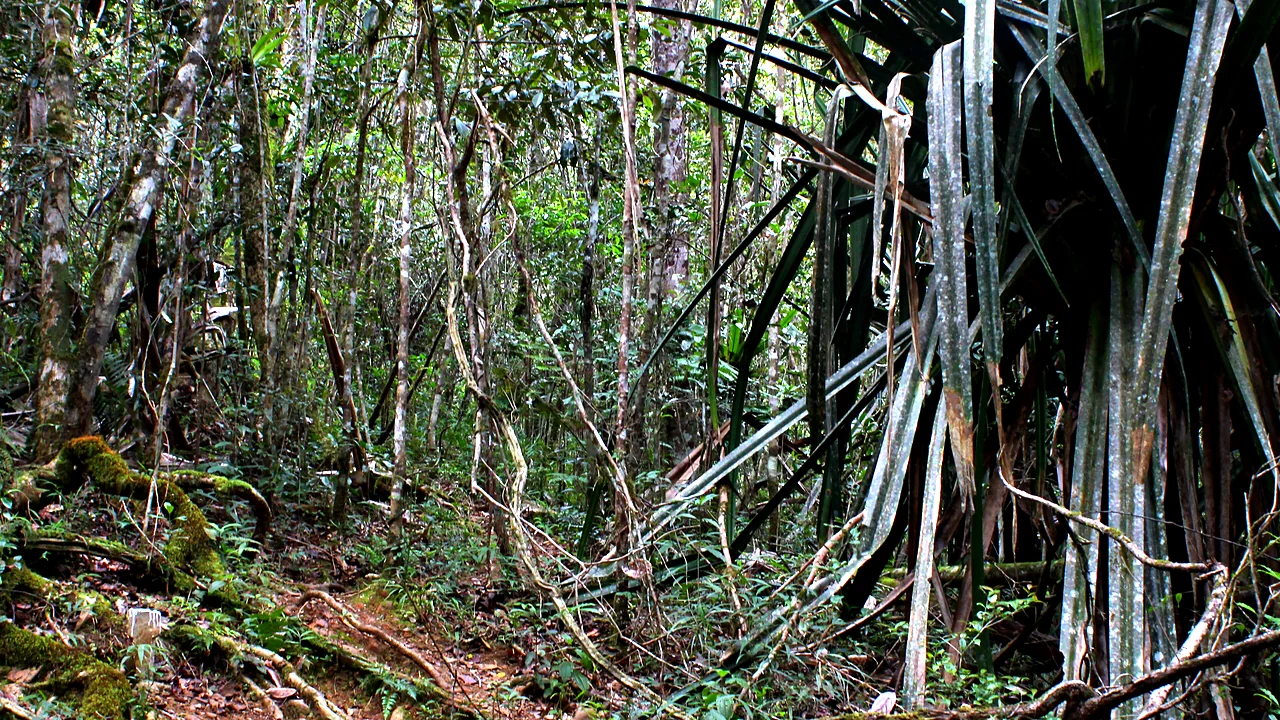
Lemurs occupy rainforest, dry deciduous forest, spiny forest and even some fragments close to towns. The species you see depends almost entirely on which habitat you visit. Andasibe is outstanding for indri and a mixed eastern set. Ranomafana adds bamboo lemurs. The west around Kirindy and the baobabs is the place for giant jumping rats, nocturnal lemurs and, with luck, the fossa. The south, including Berenty, is famous for Verreaux’s sifaka and ring-tailed lemurs.
A local guide is required in the national parks and is the difference between a lucky glimpse and a morning of sustained viewing. Start early, walk quietly, and treat every sighting as a privilege, not a performance. Habituated groups in some reserves are easier to see; that does not mean you should crowd them or offer food.
Indri, diademed sifaka, bamboo lemurs and excellent night walks for mouse lemurs.
Dry-forest specialists, nocturnal species and a genuine chance of fossa after dark.
Ring-tailed lemurs and Verreaux’s sifaka in a classic gallery-forest setting.
Indri and the Eastern Rainforest
Andasibe is the most accessible place to see the indri, the largest living lemur, whose song can carry across the valley at dawn. Analamazaotra has well-established circuits; Mantadia is wilder and needs more walking. A night walk along the forest edge often produces mouse lemurs, chameleons and frogs. Plan two nights at least, and use the Andasibe Indri excursion plus the night walk.
Further south on the RN7, Ranomafana is a different forest: wetter, steeper, and home to golden bamboo lemurs as well as other rainforest species. Trails can be muddy and the viewing sometimes more patient than in Andasibe, which is why a full day and a night walk are worth it. The Ranomafana National Park excursion is the centre of that stay.
If you have more time on the east, Palmarium and the Pangalanes, or the far more remote Masoala and Nosy Mangabe, add aye-aye chances and a deeper rainforest experience. Those extensions are a trip in themselves, not an afterthought at the end of an RN7 fortnight.
- Start with the Andasibe Indri excursion.
- Add rainforest variety on the Ranomafana National Park excursion.
- A wildlife-focused circuit is the Madagascar Wildlife Expedition Tour.
Sifakas, Ring-Tailed Lemurs and the Dry South
Verreaux’s sifaka, the pale “dancing” sifaka of many photographs, lives in the dry south and southwest. Berenty Reserve, reached from Fort Dauphin, is the most straightforward place to see them well, along with ring-tailed lemurs in gallery forest along the river. It is a long way from the RN7, so it belongs on a south or deep-south itinerary, not as a side trip from Isalo. The Berenty Reserve excursion is the usual way to visit.
Ring-tailed lemurs also appear in other southern reserves and in some community forests. They are social, terrestrial compared with many lemurs, and easy to watch when you give them space. If your only southern stop is Isalo, ask your guide which groups are being seen that week rather than assuming a guaranteed close view.
The West: Nocturnal Lemurs and the Fossa
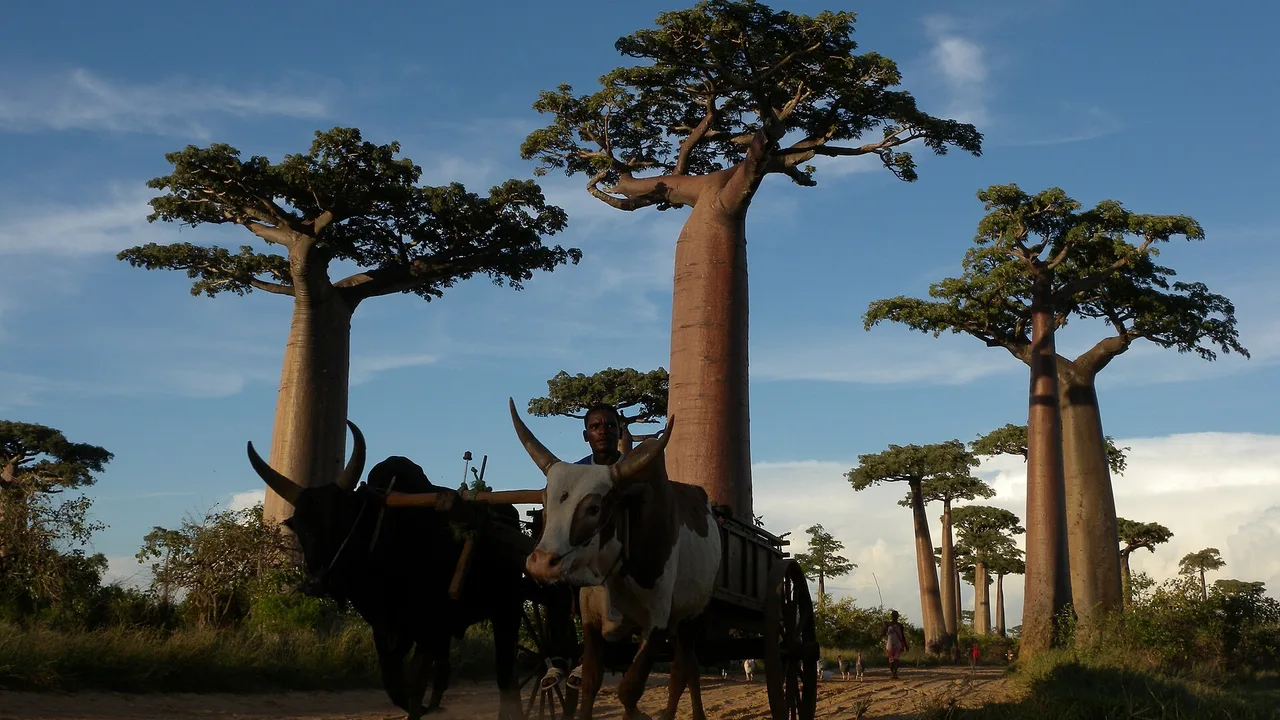
Kirindy, north of Morondava, is a dry deciduous forest with a very different cast. Daytime walks can produce giant jumping rats at dusk, various sportive and mouse lemurs at night, and, with luck, a fossa on a night or late-afternoon outing. It combines naturally with the Avenue of the Baobabs. See the Kirindy Reserve excursion and, if you continue north, the forests around the Tsingy.
The west is at its best in the dry season, when the forest is more open and the track is reliable. For timing, use the best time to visit Madagascar and the Tsingy de Bemaraha guide if that park is also on your list.
Aye-Aye and Other Specialist Sightings
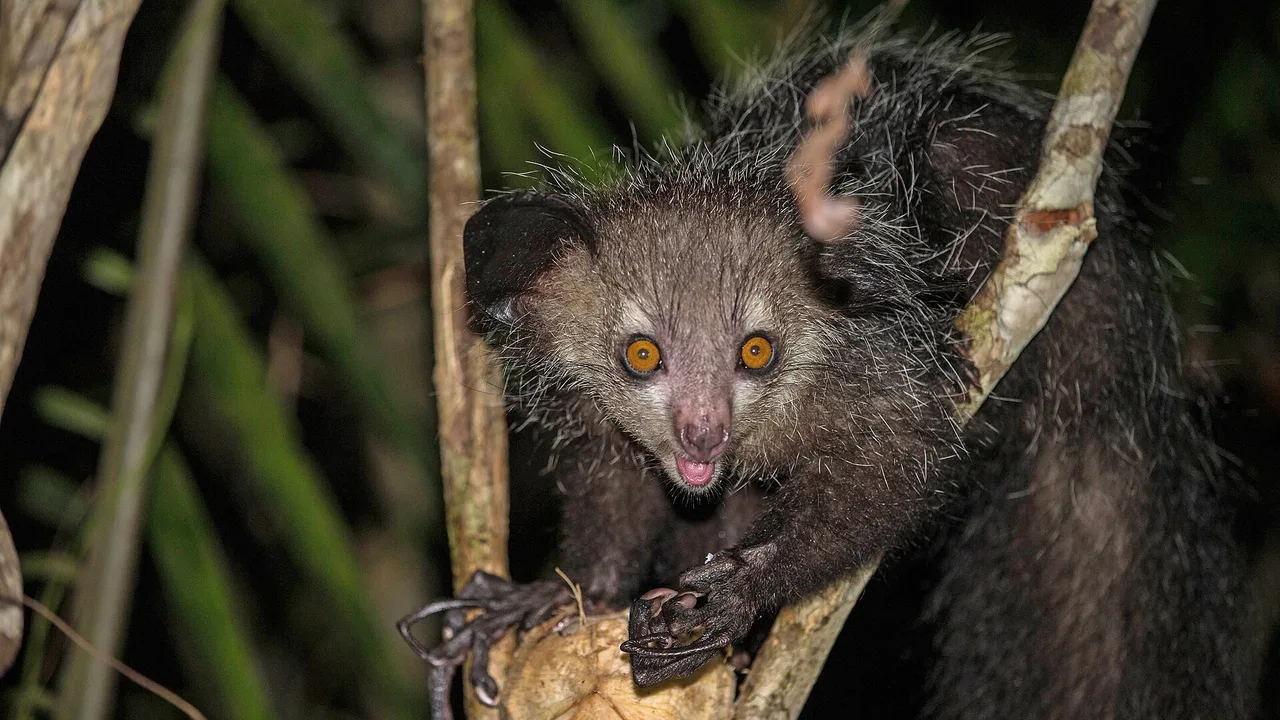
The aye-aye is nocturnal, elusive and often seen on managed night visits, notably on Aye-Aye Island near Mananara and in some carefully run east-coast sites. It is not a species you should count on during a standard two-week first visit. If it is a priority, build a dedicated eastern itinerary around Maroantsetra or the Mananara area, including the Aye-Aye Island night visit, and accept that patience is part of the fee.
Birders, chameleon enthusiasts and frog lovers will find that the same park days serve them well, especially in Andasibe, Ranomafana and Amber Mountain. Tell your guide at the start of the walk what you most want to look for, so the pace can be adjusted.
When Lemur Watching Is Best
You can see lemurs all year. Many people find September to November especially rewarding, because infants appear in several species and reptiles are more active as the forests warm. Dawn is the most important hour for indri. Night walks are productive in every season, though they are wetter from December to March. In the dry west, the absence of leaves can make animals easier to spot, at the cost of hotter walking conditions.
Costs and How Long to Spend
Park entry and a licensed guide are a normal daily cost, often around EUR 20 to 50 per person as a planning range, more for specialist night visits or small private groups. Two nights at each main forest is the pattern that works: one long morning walk, one night walk, one flexible morning. A single overnight produces more missed sightings than you expect.
| Item | Typical planning range |
|---|---|
| Park entry and standard guide, per person per day | About EUR 20 to 50 |
| Specialist night walk or reserved aye-aye visit | Often higher; confirm locally |
| Mid-range forest lodge, per night | About EUR 50 to 180 |
| Comfortable stay at one forest, two or three nights | Worth more than an extra rushed reserve |
Where to Stay for Wildlife
Sleep next to the forest, not an hour away. Dawn choruses and night walks are much easier when you are already on site. Browse Andasibe accommodation, Ranomafana accommodation and, for the west, Morondava accommodation if you are based in town for Kirindy.
Etiquette and Common Mistakes
- Never feed lemurs or try to touch them
- Keep voices low and give climbing animals a clear path in the trees
- Do not play recorded indri calls to force a response
- Use a red or dimmed light on night walks when your guide asks you to
- Resist the temptation to visit a poorly run roadside “lemur island” if the animals are being used as props
- Do not squeeze three parks into three nights and call it a wildlife trip
The photographs will come if you stay still. The memory that lasts is often a sound: a call across the mist, or the scratch of a nocturnal lemur on a branch above the path.
How Lemurs Fit a Broader Trip
Lemur days are the heart of many first visits, but they sit naturally beside highland roads, a baobab sunset or a quiet coastal ending. What they do not sit well beside is a schedule that treats the forest as a one-hour stop between hotels. If you have to cut something, cut a transit city, not the second night in Andasibe or Ranomafana. The animals are still there at lunchtime, but the forest is a morning place, and you will understand why once you have been out for dawn.
Frequently Asked Questions
Where is the best place to see lemurs in Madagascar?
Andasibe is the most accessible highlight for indri. For a broader first trip, combine Andasibe with Ranomafana or with a western dry-forest reserve such as Kirindy.
Will I see lemurs on a two-week trip?
Yes, if you give at least two nights to one or two serious parks and walk with a licensed guide. Guarantees are not honest, but Andasibe in particular has a very high success rate for indri.
Are night walks worth it?
Yes. Many species are nocturnal, and chameleons and frogs add to the walk even if the lemurs are shy that evening.
When is the best time to see baby lemurs?
Often between about September and November, depending on the species and the region.
Can I see an aye-aye on a standard RN7 tour?
Usually not. Plan a dedicated east-coast extension if the aye-aye is a priority.
Get Your Free Custom Madagascar Tour Quote Today!
Tell us which animals you most hope to see. We will build park nights, night walks and transfers around a route that leaves time to watch, not just to pass through.
Browse Multi-Day Tours Explore Short Excursions