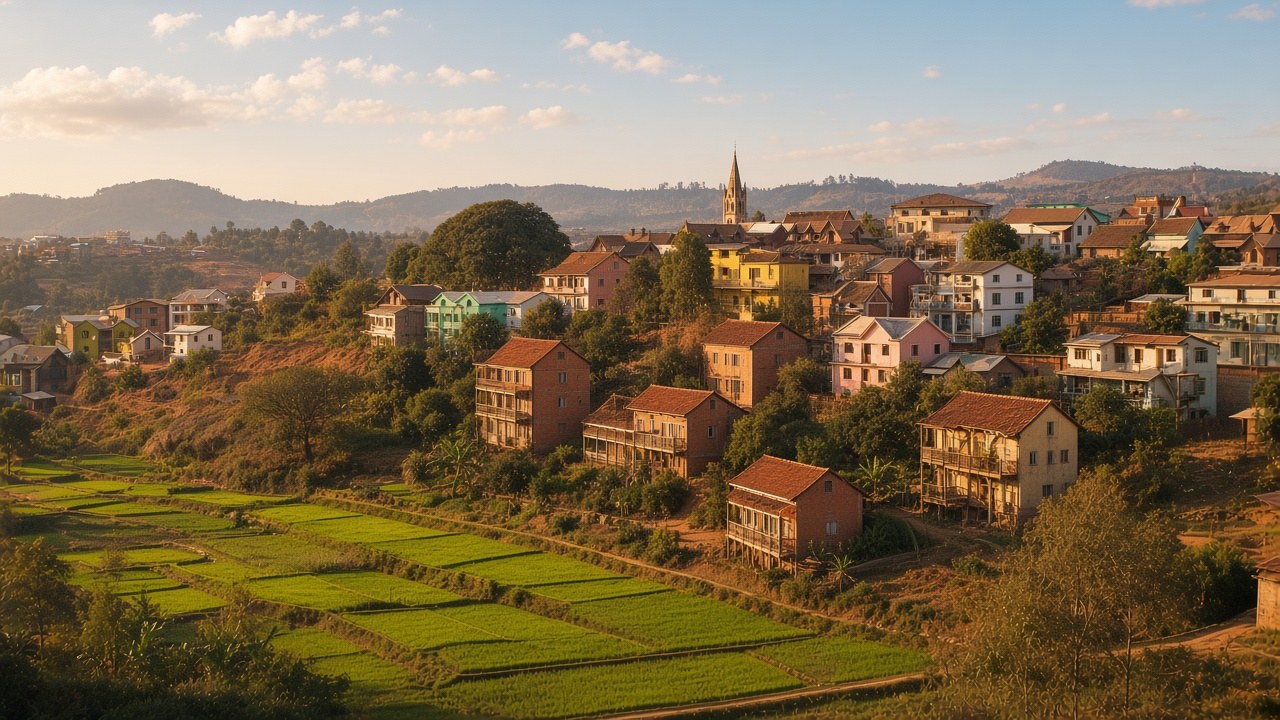
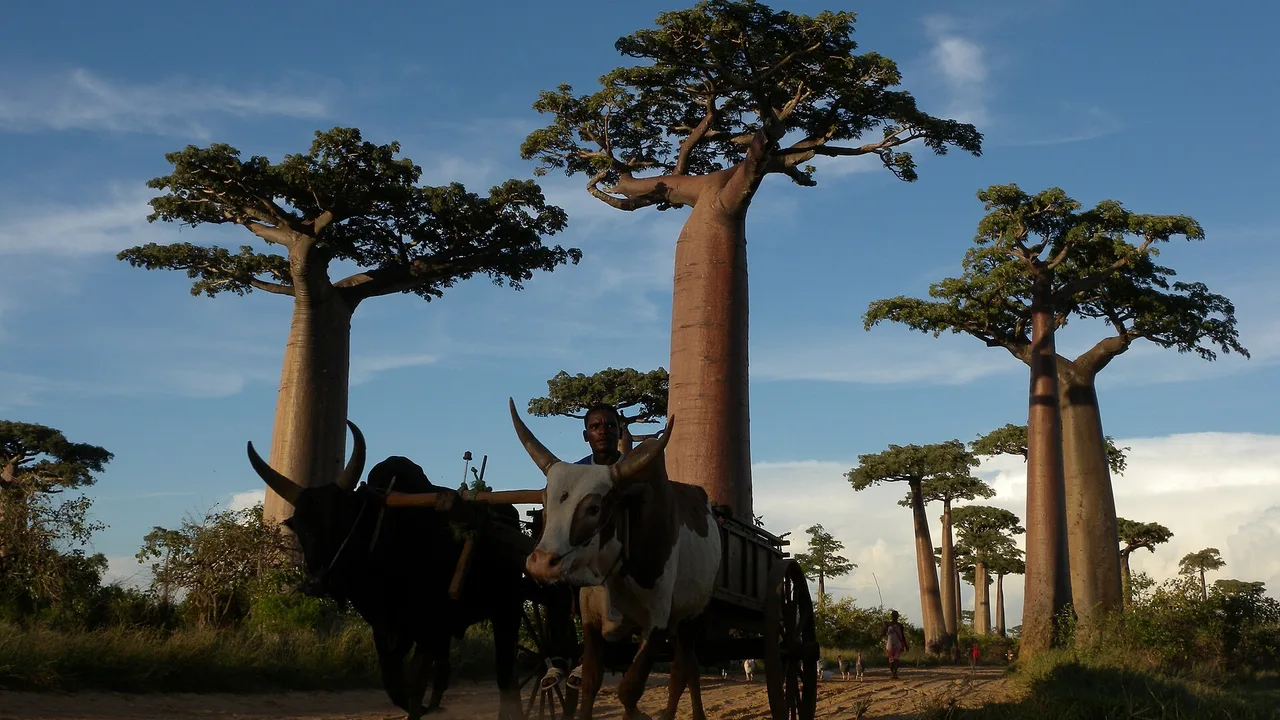
The Tsingy de Bemaraha, in western Madagascar, looks like a stormy sea that has been turned to stone. Needle-sharp limestone pinnacles rise above dry forest, and the marked circuits thread through canyons, caves and, on the longer routes, across hanging bridges with the rock falling away on both sides. It is a UNESCO World Heritage site and, for many travellers, the most memorable inland landscape in the country after the Avenue of the Baobabs.
It is also not a casual day trip. Reaching the park from Morondava takes a full day on a rough track, usually with a ferry, and the park itself deserves at least one full walking day, preferably two. This guide sets out how to get there, how the Petit and Grand Tsingy circuits differ, when the road is usable, and how to build a realistic west-coast itinerary.
Why the Tsingy Is Worth the Journey
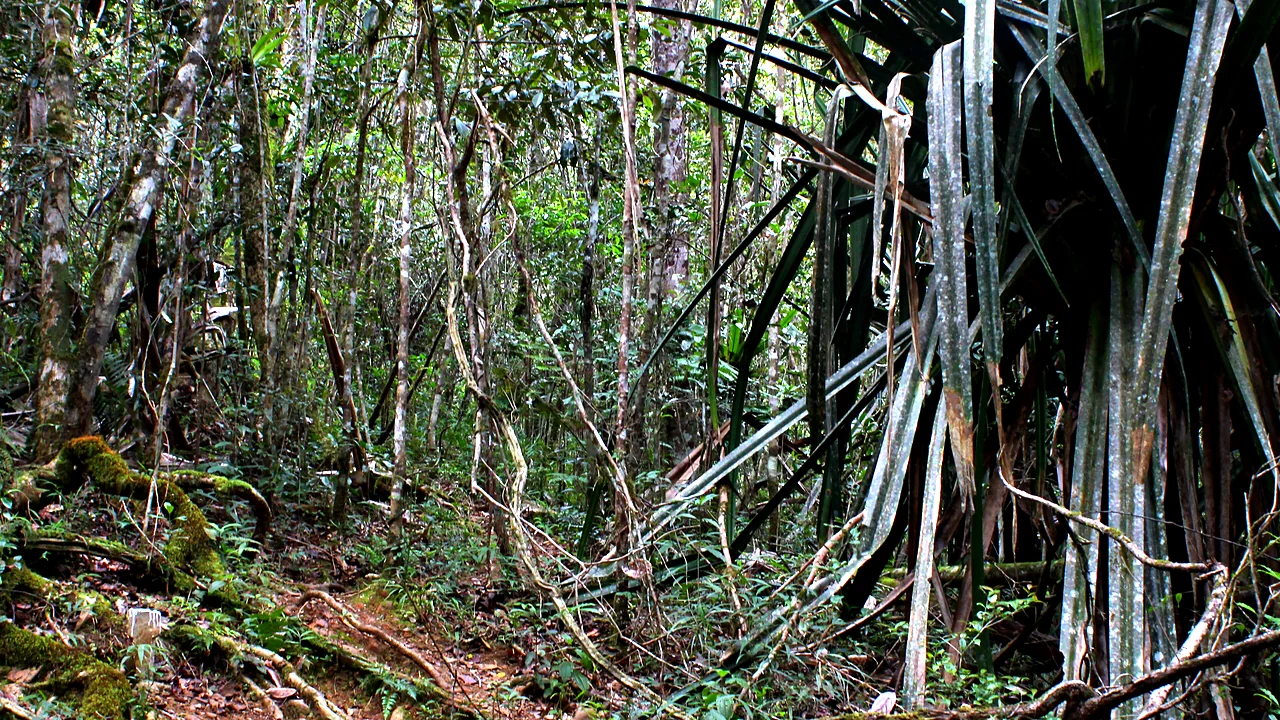
Tsingy is a Malagasy word for the limestone karst that is found in several parts of the island; Bemaraha is the most developed for visitors and the most spectacular in scale. The rock was once a seabed, lifted and then carved by water into a labyrinth. Dry deciduous forest grows in the pockets of soil, and you may see lemurs, birds and unusual plants as you walk, but the main reason to come is the landscape itself.
The effort of getting there is part of the experience. You leave the coastal plain, cross the Manambolo River, and arrive in Bekopaka, a small village that exists largely because of the park. From there, early starts and a licensed guide are the daily rhythm. If you enjoy hiking, photography and places that still feel remote, the Tsingy will justify the dusty road.
Shorter circuits through a more compact limestone maze, suitable if you are reasonably steady on your feet.
A longer, more exposed day with ladders, cables and hanging bridges. The classic, dramatic visit.
A pirogue trip through the gorge, often on the afternoon you arrive or the morning you leave.
How to Get to the Tsingy de Bemaraha
The usual gateway is Morondava. From the town, the road north to Belo-sur-Tsiribihina and on to Bekopaka is a long, rough 4×4 journey, commonly taking eight to twelve hours depending on the season, the ferries and any delays. There is no realistic way to do this in a small city car. A sturdy 4×4 with a driver who knows the ferries is the standard approach, and it is the reason many visitors travel with a multi-day driver rather than a one-way taxi.
You can also reach the region as part of a river journey along the Tsiribihina, ending towards Belo-sur-Tsiribihina and continuing by road to Bekopaka. That combination is slower and more of an expedition, and it is best planned as a single itinerary rather than as two separate bookings made at the last minute.
From Antananarivo, most people fly to Morondava, sleep, then drive the next day. Trying to fly in and reach Bekopaka on the same afternoon is a common way to arrive after dark. Our Morondava airport transfer guide and the transfer towards Bekopaka and the Tsingy help with the first and last legs. For the road days themselves, the two-to-four-day Morondava 4×4 driver is the practical option.
- Walk the park with the Tsingy de Bemaraha National Park excursion.
- Add the gorge on the Manambolo River Gorge canoe excursion.
- See the wider circuit on the Madagascar West Tour.
Petit Tsingy, Grand Tsingy and the Gorge
Petit Tsingy
The shorter circuits are still dramatic: narrow passages, viewpoints over the limestone, and forest in the sheltered hollows. They are the right choice if you have a fear of exposed heights, if you are travelling with older children, or if you have only one walking day and want a margin of safety. You still need decent shoes and a willingness to climb on rock.
Grand Tsingy
The longer circuits are the ones you see in photographs: hanging bridges, steel cables, ladders and a view across a forest of grey pinnacles. You should be comfortable with heights, ready to wear a harness where it is required, and able to walk for several hours in heat. It is not a technical climb, but it is physically more demanding than a standard park stroll, and it is not suitable for everyone. Listen to your guide if the rock is wet or if the group would be safer on a shorter route.
Manambolo Gorge
A pirogue on the Manambolo offers a completely different angle on the same geology: cliffs, caves and, in the right season, a calm river corridor. It is a good activity for the afternoon you arrive, when a full Grand Tsingy day would be too much, and it pairs well with a short walk. The Manambolo River Gorge canoe excursion is designed for that arrival or departure slot.
When to Go
The Tsingy is a dry-season destination. In practical terms, the road and the park are usually at their best from about April to early November. In the wetter months, typically December to March, the track can be very difficult or temporarily impossible, ferries can be delayed, and some circuits may close. Even within the dry season, April can still be muddy in places, and October is often extremely hot on the bare rock.
July and August offer reliable access and the most company on the bridges. May, June and September are often a better balance of weather and crowds. Always confirm the road and the park opening shortly before you travel, because a late rain or a ferry problem can still change the plan. For the wider seasonal picture, read the best time to visit Madagascar.
How Many Days You Need
A realistic minimum is four days from Morondava: one day in, one full day in the park, one spare walking or gorge day, one day out. If you also want a night at Kirindy and a proper sunrise or sunset at the Avenue of the Baobabs, add one or two nights. Trying to compress the Tsingy into a single night in Bekopaka usually means you see only the Petit Tsingy and spend two long days on the road for a short walk.
- Four days Morondava to Morondava: the practical minimum for one or two park circuits
- Five or six days: Petit and Grand Tsingy, the gorge, and a less rushed drive
- A week: add Kirindy and the Avenue of the Baobabs at either end
What to Wear and Bring
Closed shoes with firm grip are essential; sandals are a poor idea on sharp, uneven limestone. Light, long clothing protects you from the sun and from scratches in the passages. A harness is provided for the exposed sections of the Grand Tsingy, but you should bring water, a hat, sun protection and, if you use them, well-fitted gloves. In the middle of the day the rock radiates heat, so an early departure from the lodge is not optional.
If you are uneasy with heights, say so before you book the Grand Tsingy, not on the first bridge. There is no shame in walking the Petit Tsingy well and enjoying the gorge. The landscape is impressive on every circuit.
Costs and Practicalities
The main cost is the vehicle for several days, because the driver and 4×4 have to stay with you. Budget about EUR 90 to 160 per day for the car, driver and fuel on this route, then add park entry, the mandatory guide and, if you use them, the harnessed circuits. As a planning figure, park and guide fees often fall around EUR 25 to 55 per person per day, more if you do specialist or longer routes. Mid-range lodges in Bekopaka typically range from about EUR 50 to 140 per night, with simpler rooms below that and a few more comfortable properties above.
| Item | Typical cost |
|---|---|
| 4×4 with driver, per day, west-coast track | About EUR 90 to 160 |
| Park entry and guide, per person per day | About EUR 25 to 55 as a planning range |
| Mid-range lodge in Bekopaka, per night | About EUR 50 to 140 |
| Manambolo gorge pirogue outing | Often about EUR 20 to 50 per person, depending on group size |
Where to Stay
Bekopaka is the base. Lodges range from simple to comfortable, and the better ones are still small. In peak months they fill early. Staying in Morondava and “doing the Tsingy in a day” is not a serious plan. Sleep in Bekopaka, start early, and treat Morondava as the place you recover, visit the baobabs and fly out. You can compare rooms through Morondava accommodation for the start and end of the journey.
Common Mistakes
- Underestimating the driving time from Morondava
- Planning the trip in January or February without a realistic alternative
- Booking only one night in Bekopaka
- Wearing smooth-soled shoes on the limestone
- Ignoring the heat and starting the Grand Tsingy late in the morning
If you give the park the time it needs, it is one of the outstanding natural sites in Madagascar, and the journey there becomes a story you will tell for years. If you rush it, you will remember the corrugations in the road more than the view from the bridge.
Frequently Asked Questions
How do I get to the Tsingy de Bemaraha?
Fly or travel to Morondava, then continue by 4×4 to Bekopaka, usually in a full day, with a ferry crossing on the way.
When is the park open?
Access is most reliable from about April to early November. In the rainy season the road can be very difficult and some circuits may close.
Is the Grand Tsingy dangerous?
It is a managed trail with cables, ladders and a harness on exposed sections, but it is demanding and not suitable if you have a strong fear of heights or poor mobility.
How many nights should I stay in Bekopaka?
Two nights is the minimum that feels worthwhile; three is better if you want both main circuits and the gorge without rushing.
Can I visit the Tsingy and the Avenue of the Baobabs on the same trip?
Yes, and you should. Use Morondava for the baobabs at either end of the Bekopaka journey, and do not try to see both in a single day.
Get Your Free Custom Madagascar Tour Quote Today!
Share your dates and walking experience. We will plan the road days, the park circuits and the baobabs around a realistic west-coast schedule.
Browse Multi-Day Tours Explore Short Excursions