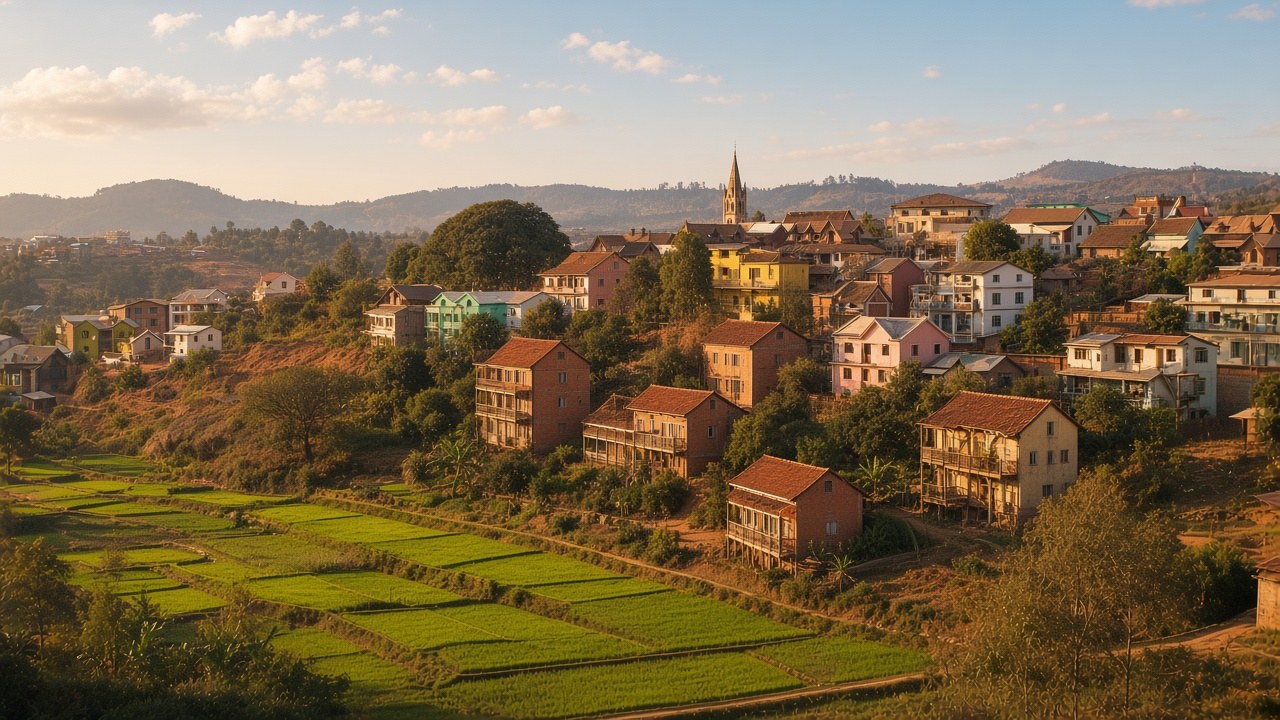
Marojejy is not a park you dip into from a main road. It is a steep, beautiful rainforest massif in the north-east, approached from the vanilla country around Sambava and Andapa, and walked in stages between a sequence of camps. People come for the forest itself, for the chance of seeing the rare silky sifaka, and for a trek that feels like a real expedition without requiring technical climbing on the usual visitor route.
This guide is a practical account of how to visit Marojejy, how many days to allow, and why it belongs on a dedicated vanilla-coast journey rather than at the end of an RN7 holiday. For the wider region, use the visit Sambava guide and the Madagascar Vanilla Coast Tour.
The Shape of the Trek
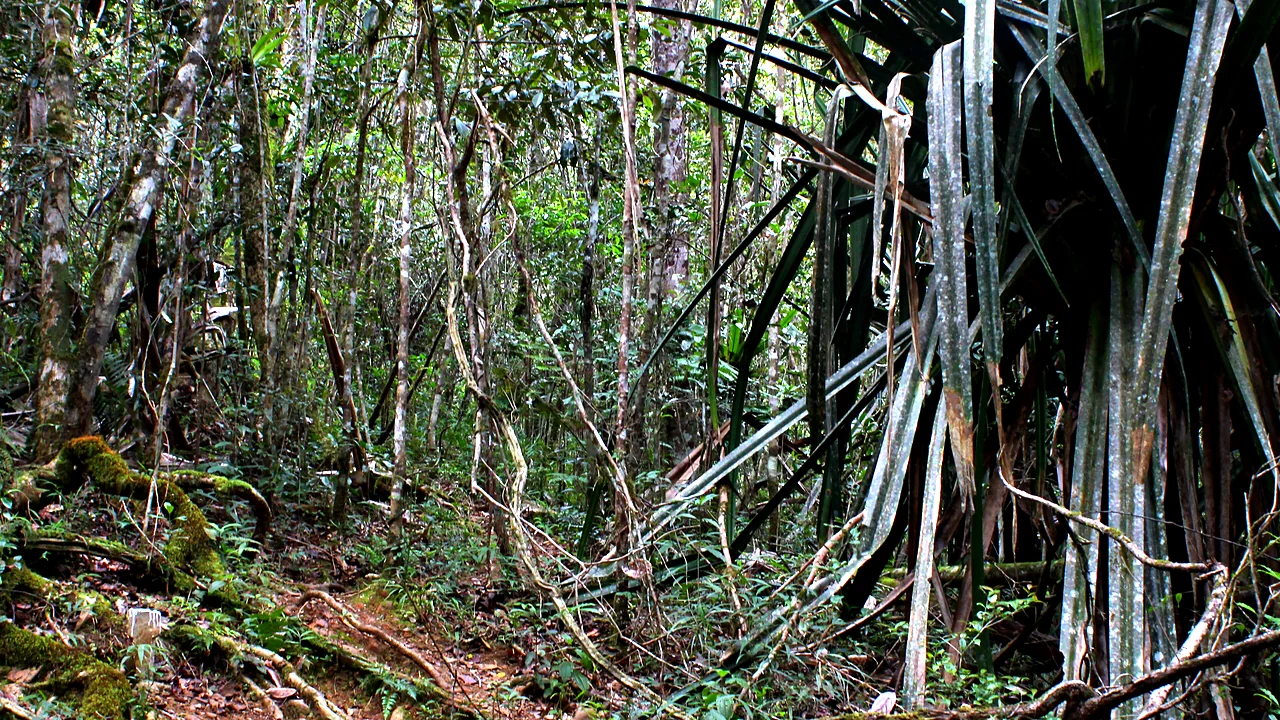
The usual starting point is the park office and trailhead in the Manantenina area, reached from Andapa. From there, visitors walk up through lowland and then mid-altitude rainforest to a series of simple camps, commonly referred to in stages as you climb towards the higher slopes and, for some groups, towards the summit. You sleep in basic camp buildings or shelters, eat food that has been carried or organised in advance, and walk with a park guide and porters. It is a wet forest: roots, mud, leeches in some seasons, and stairs of slick wood or earth.
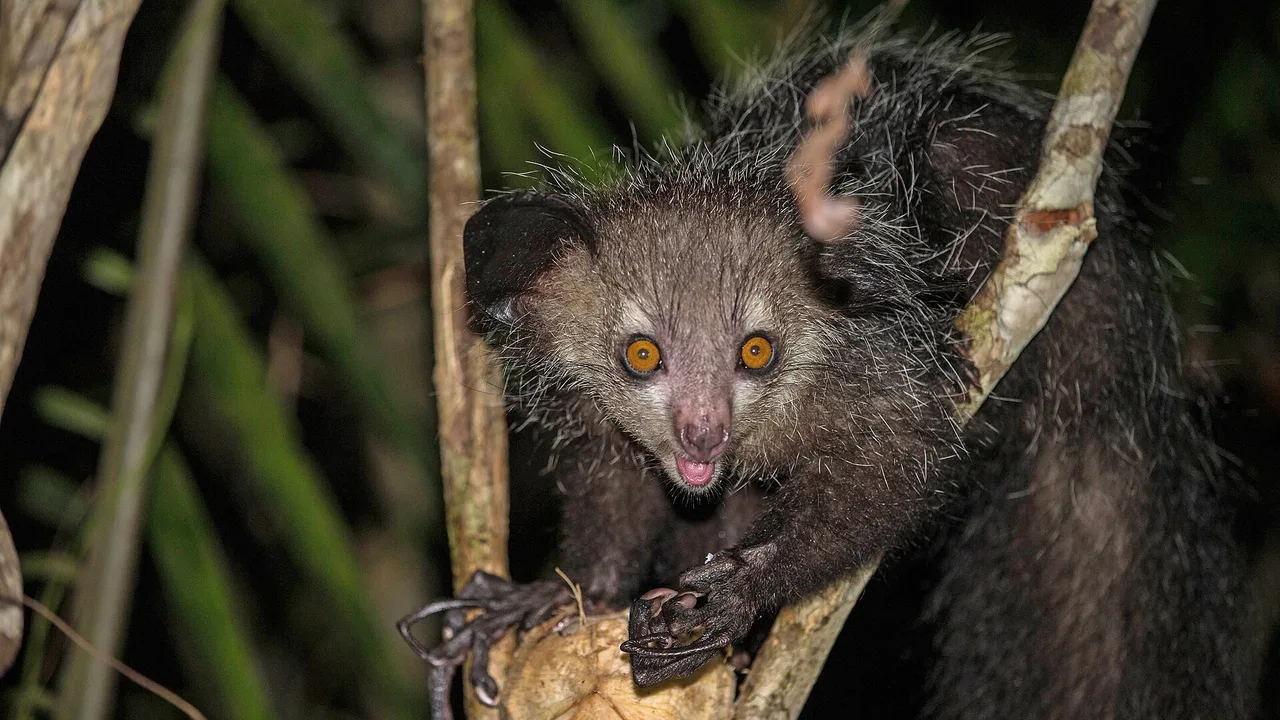
The silky sifaka, one of Madagascar’s rarest lemurs, is the animal most visitors hope to meet, often discussed in connection with the mid-altitude camp zone. As with every lemur, this is a privilege if it happens, not a performance. Even without a sighting, the forest, the views when the cloud lifts, and the feeling of being properly inside a protected massif are the reason to come. Night sounds, chameleons and birds add to the days if you walk slowly.
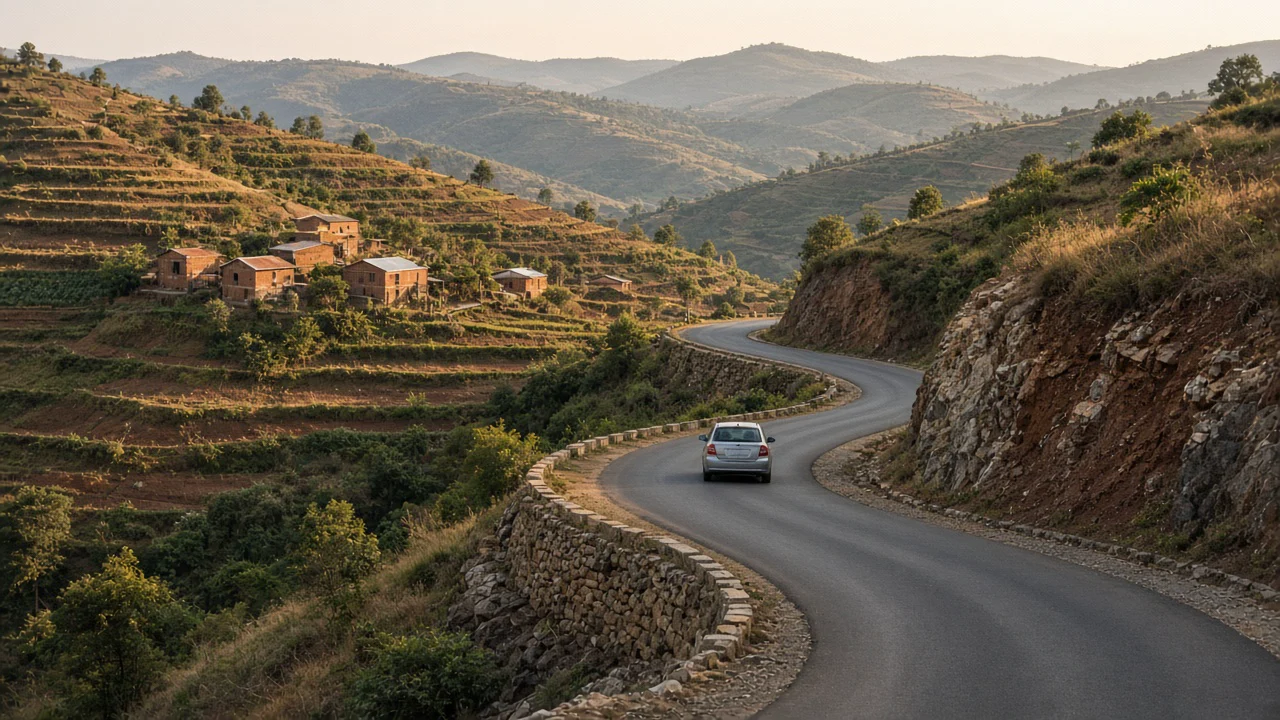
Fly to Sambava, then transfer inland to Andapa and the trailhead, with a night in town either side of the trek.
A staged climb on steep, often muddy paths, with simple overnight camps and porters for the kit.
A rare lemur in a rich rainforest, plus birds, reptiles and a landscape that changes with altitude.
How to Get There
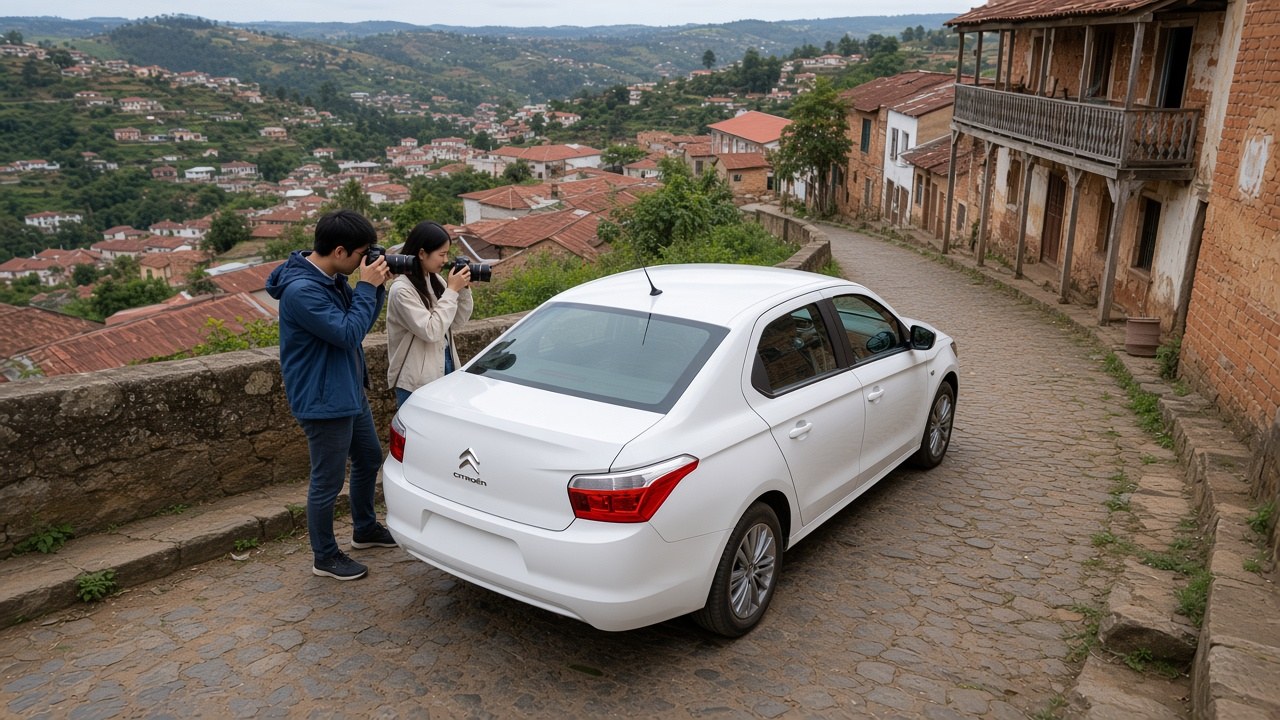
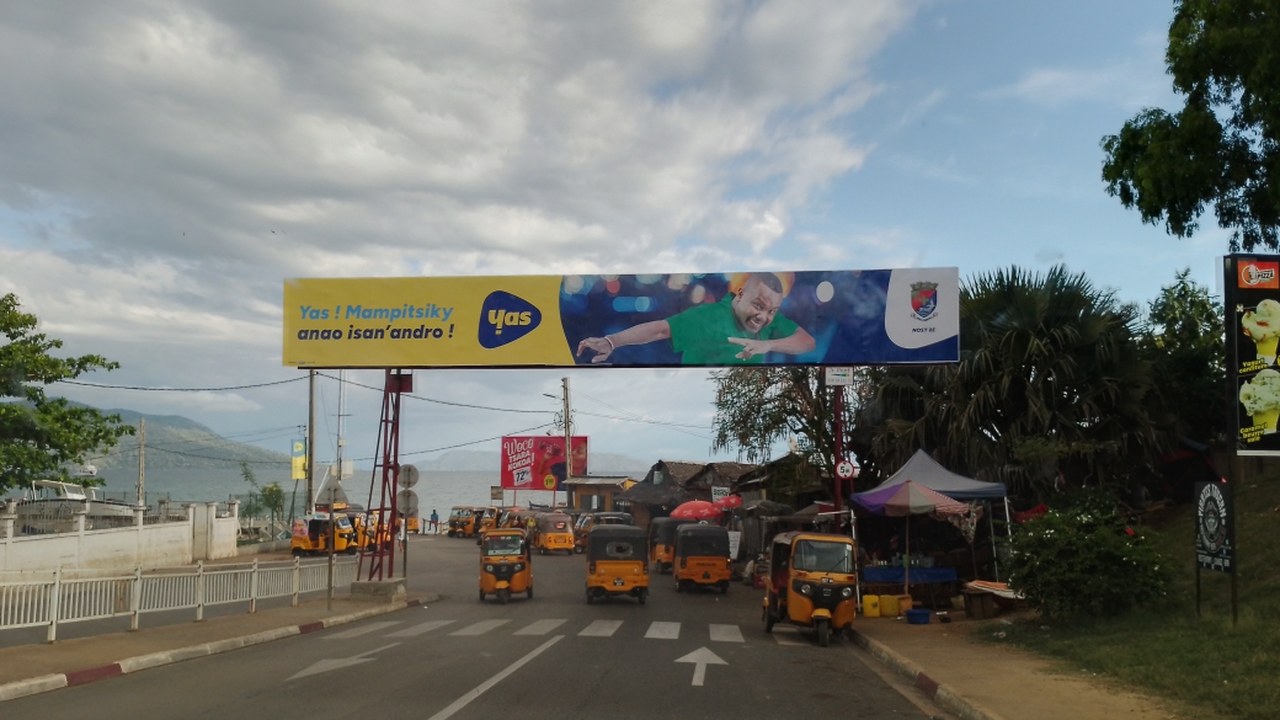
The practical gateway is Sambava, reached by domestic flight from Antananarivo. From Sambava you transfer to Andapa and then to the park entrance; the Sambava to Andapa transfer, the transfer to Marojejy and the airport transfer to Andapa and Marojejy cover those legs. Do not plan to land at midday and start walking the same afternoon. Spend a night in town, confirm the guide, porters and camp reservations, and start in the morning.
The Marojejy National Park excursion and the more explicit Marojejy trekking excursion are the usual ways to book this. If you also want a gentler day in the area, the Andapa Valley excursion can fill a buffer day before or after the trek. Maroantsetra and Masoala are another north-east world, reached differently; do not assume you can combine them with Marojejy in a couple of casual days.
How Hard It Is, and When to Go
The standard trek is demanding rather than technical. You need to be comfortable walking for several hours on steep, uneven, sometimes slippery ground with a daypack, on consecutive days. People who only walk on holiday, or who have knee problems, should think carefully and may prefer a shorter itinerary that turns around at a lower camp. The summit, if it is open and if your group is going there, is a further step up in effort and in weather exposure. Listen to the guide if a higher camp or the peak is not a good idea that day.
The north-east is a wet region. A relatively drier window in the mid-year months is often favoured for trekking, but rain is always possible, and the forest is still beautiful when it is wet. Cyclone season on this coast is a real planning factor; leave flexibility and travel insurance in the plan. The best time to visit Madagascar should be read with a vanilla-coast eye, not only with RN7 dust in mind. For formalities, the official guide and entry pass is part of a proper visit.
Pack for mud and for cool nights at the higher camps: worn-in shoes with real grip, several pairs of socks, a waterproof, a dry bag for the sleeping kit, leech socks or at least the means to deal with leeches, a headtorch, and a light warm layer. The packing list is not quite enough on its own; this is a trek pack, not a lodge-and-driver pack.
- Book the Marojejy trekking excursion.
- Or travel the wider Vanilla Coast Tour.
- Arrange the first transfer from the Sambava airport transfer page.
Where to Stay and What It Costs
You will need a hotel night in Sambava or Andapa before and after the trek; see Sambava accommodations. On the mountain, the camps are simple: basic beds or bunks, limited or no comforts, and a strong sense of place. Book the camps when you book the trek; they are not a walk-in system you can improvise at the gate after a late flight.
A guided trek with entry, guide, porters, camp fees and meals is a package cost more than a simple day-park fee. As a planning range, allow a few hundred euros per person for a multi-day trek, often somewhere around EUR 250 to 600 depending on length, group size and what is included, plus flights to Sambava and the town hotels. Exact quotes should come from a current itinerary, not from a memorised price. Domestic flights and the general budget are covered in the travel costs guide.
| Item | Typical planning range |
|---|---|
| Multi-day guided trek with camps and porters | Often about EUR 250 to 600 per person, depending on length |
| Town hotel in Sambava or Andapa, per night | About EUR 40 to 150 |
| Recommended trek length | Often three or four days, plus town nights either side |
| Access flight | Domestic flight into Sambava, booked early |
Tips, Mistakes and How It Fits a Larger Trip
The main mistake is to underestimate the mud and the steepness, and to arrive with city shoes and a tight onward flight. The second is to treat a silky sifaka as a guaranteed sighting and to rush the camps in disappointment if the animals do not appear on the first afternoon. The third is to combine Marojejy with too many other “highlights” in the same week. This park is the trip, plus a day or two of vanilla country and rest.
A first visit to Madagascar that already includes Andasibe, the RN7 and the west does not also need Marojejy unless you have a generous third week. Conversely, if rare rainforest and a genuine trek are what you want, this coast is a better headline than a rushed national-park loop. For lemur context, read the lemurs guide; for a conventional first route, compare this choice with the two-week itinerary before you book the Sambava flights.
Finally, leave a buffer day after you descend. You will be wet, tired and possibly delayed by rain on the trail. A same-day flight back to Tana is an avoidable stress. Use the spare day for a short Andapa valley outing, a quiet hotel, and the pleasure of having done the walk properly.
What to Expect in the Camps
The camps are there to make a multi-day forest trek possible, not to offer a lodge experience. Expect simple beds, shared spaces, and meals that arrive because someone carried them or cooked in basic conditions. You will be glad of a dry change of clothes and a torch. Conversation tends to end early, because the next day starts early and because the forest is the point. If you need more comfort, the hotels in Andapa and Sambava are where you take it, before and after, not in the middle of the climb.
Health is part of preparation. Speak to a travel clinic about the north-east, carry any personal medication, and tell the organisers if you have a condition that steep, humid walking might affect. A small personal first-aid kit belongs in your daypack. Leeches are unpleasant rather than dangerous for most people, but they surprise anyone who has only walked in dry western forests. The right socks, a calm check at camp, and a willingness to get a little messy are part of coming to Marojejy in the right spirit.
Frequently Asked Questions
How do I get to Marojejy?
Fly to Sambava, transfer to Andapa and the trailhead, and start the trek the next morning. It is not a day trip from the RN7.
How difficult is the trek?
It is steep and often muddy, with simple camps, but not a technical climb on the usual route. Reasonable fitness and good shoes are essential.
Will I see a silky sifaka?
It is one of the better places to try, especially with time at the right camp, but it is never a guarantee.
How many days should I allow?
Often three or four days on the trail, plus a night in town before and after, and a spare day for weather.
When is the best time to go?
A relatively drier mid-year window is often favoured, but rain is always possible in this forest. Avoid tight plans in the cyclone-prone months.
Get Your Free Custom Madagascar Tour Quote Today!
Tell us your trekking experience and dates. We will arrange the Sambava flights, Andapa transfers, camp bookings and a Marojejy itinerary with enough days to walk the forest properly.
Browse Multi-Day Tours Explore Short Excursions