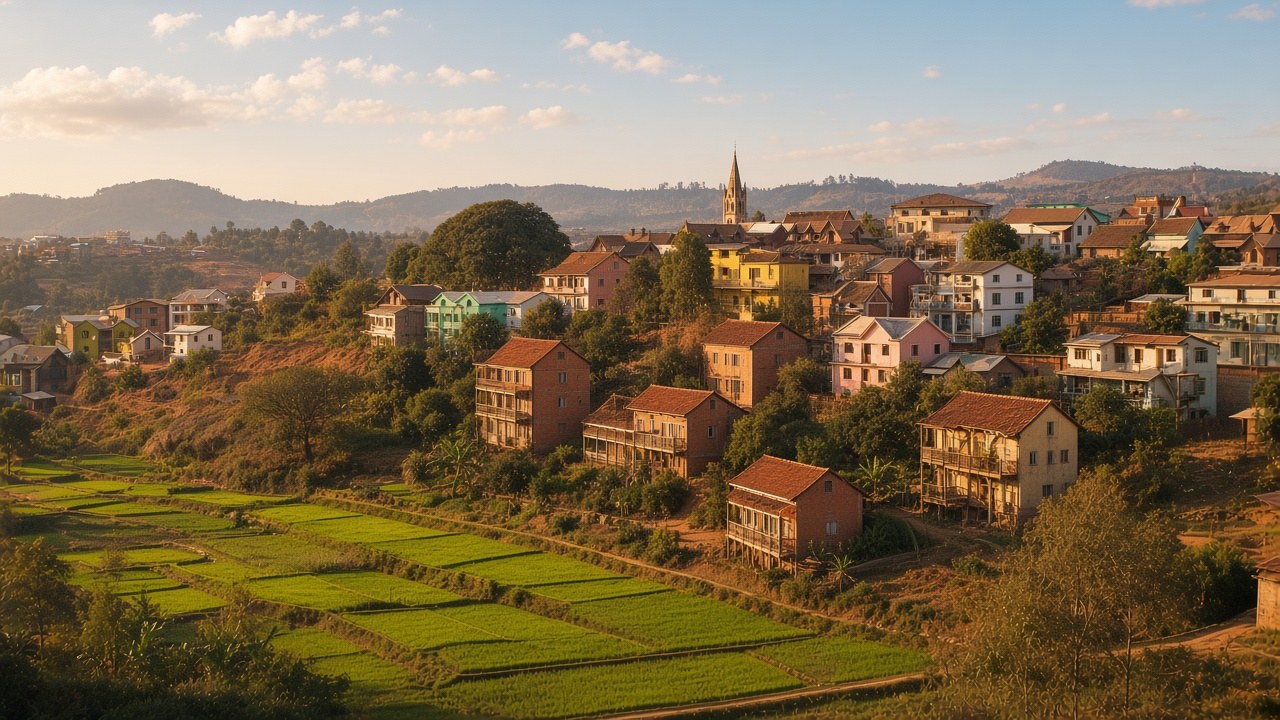
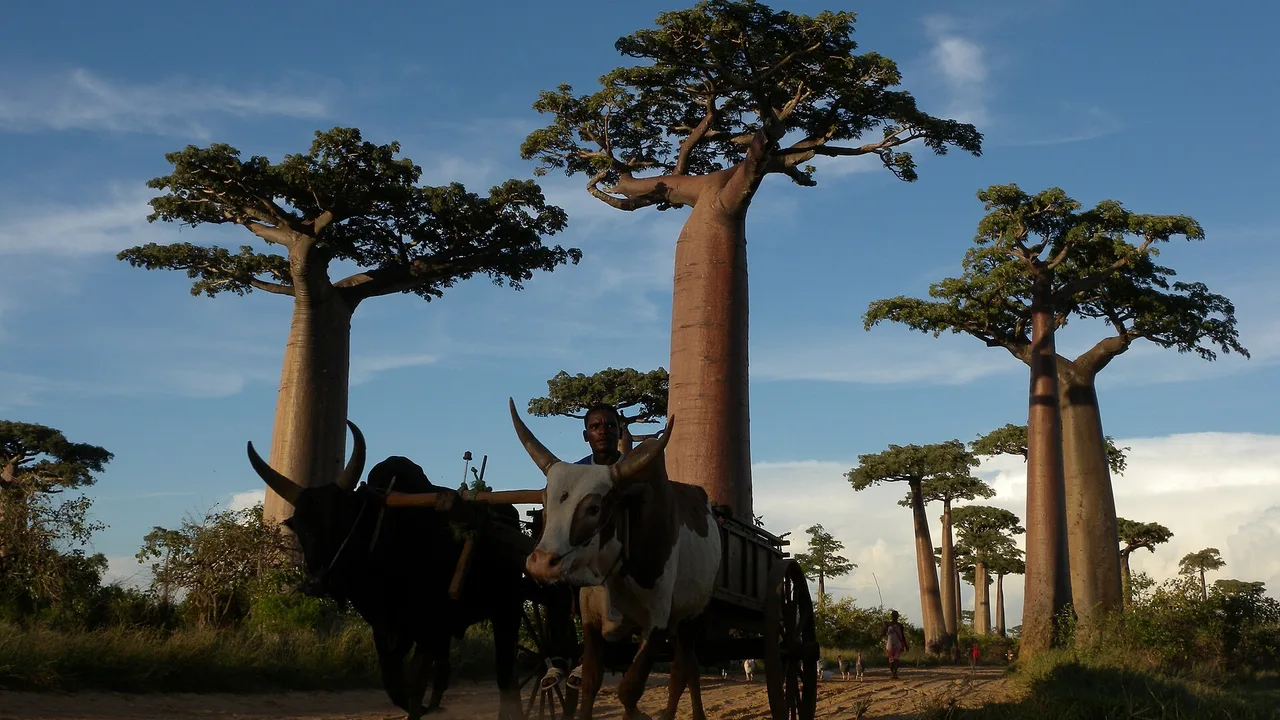
Madagascar asks more of your suitcase than a simple beach holiday and less than a technical trekking expedition. You will walk in rainforest mud one day and stand on hot sandstone or a white beach the next. Vehicles are dusty, laundry is possible in many hotels but not always quick, and you will want a small bag you can carry on a night walk. A thoughtful packing list saves weight and avoids the usual last-minute purchases in Antananarivo.
Use this as a core list and then adjust for your route and season. A fortnight on the RN7 is not the same as a week on Nosy Be, and a trip in July needs a warmer layer than a trip in November. For timing, see the best time to visit Madagascar.
Clothing That Works Across Regions
Light, long-sleeved shirts and long trousers are more useful than a suitcase of shorts. They protect you from sun, mosquitos and scratches on forest trails, and they are acceptable in highland towns and at village visits. Add one or two pairs of shorts or a skirt for the coast, and a swim outfit if you will reach Ifaty, Nosy Be or Sainte-Marie.
A fleece or light insulated jacket is essential for the highlands between June and August, when evenings in Antsirabe, Fianarantsoa and even Antananarivo can be surprisingly cold. In the rainforest, a compact rain jacket goes in your day bag every morning, including in the dry season. Cotton dries slowly; a couple of merino or quick-dry pieces will make laundry delays less annoying.
Colours can be muted. Very bright clothing is unnecessary in the forest and can feel out of place in small towns. A sun hat with a brim is more useful than a fashion cap, especially in Isalo and on the west coast.
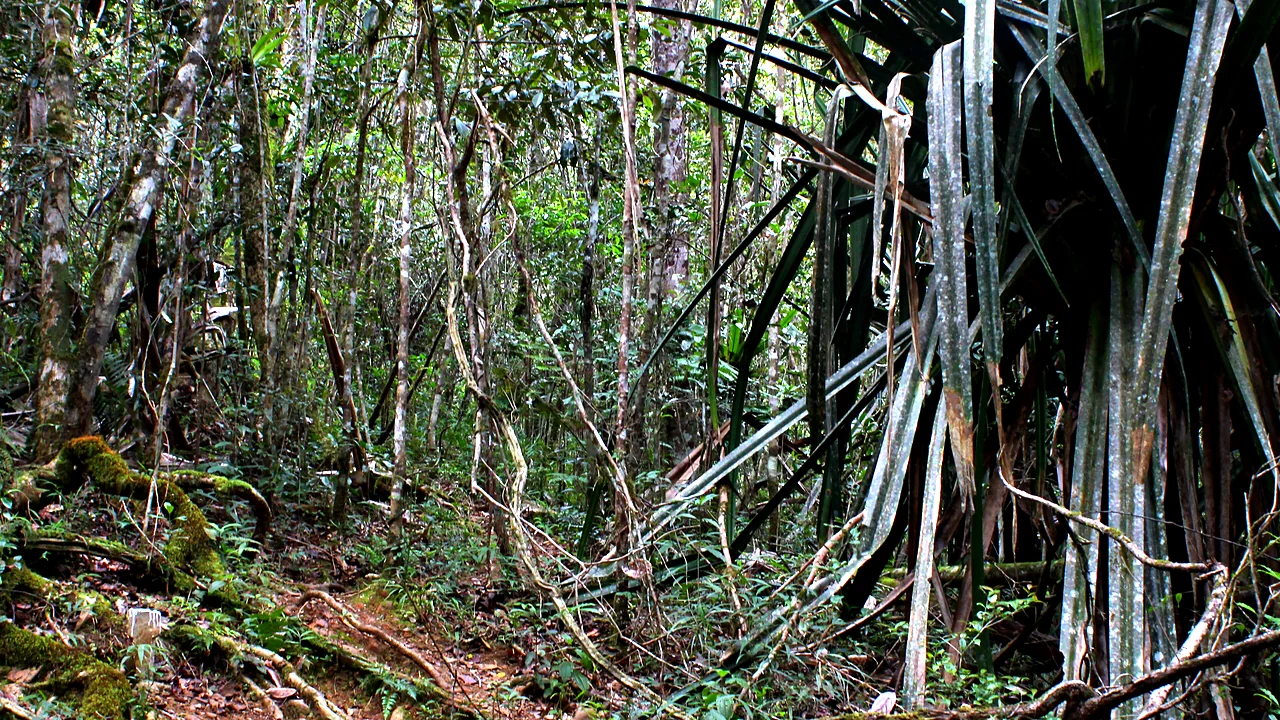
Rain jacket, grip shoes, long sleeves and a torch for night walks in mud and mist.
Sun protection, closed shoes with firm soles, and more water than you think you need.
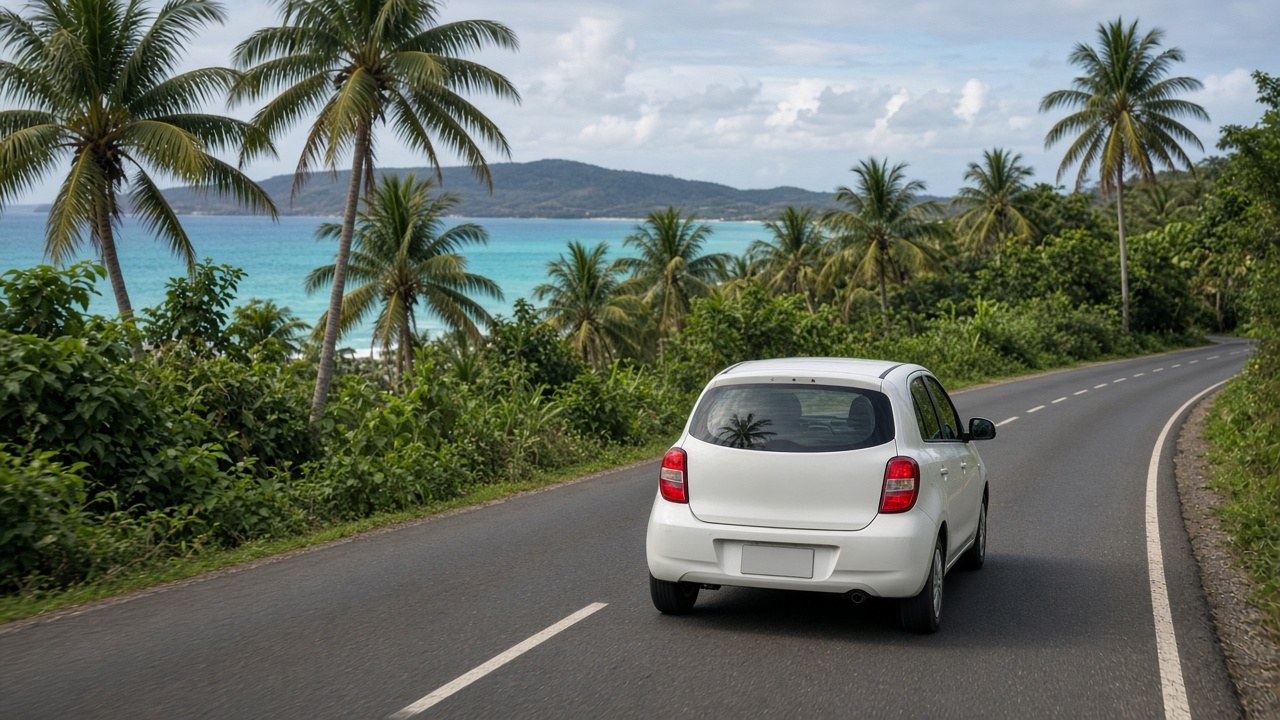
Swimwear, a light cover-up, reef-safe sunscreen and sandals you can walk in on hot sand.
Shoes and Bags
Bring one pair of closed walking shoes or light hikers with genuine grip, already worn in. Trails in Andasibe and Ranomafana are often wet and rooted; the Tsingy and Isalo demand a sole that will not slip on rock. A second, lighter pair of shoes or sturdy sandals is enough for towns, lodges and the vehicle. Flip-flops are useful at the room and on the beach, not on a park circuit.
A small daypack is more important than a huge suitcase. You need both hands free on some trails, and you will carry water, a rain layer, insect repellent, a camera and, after dark, a torch. A soft duffel or mid-size suitcase is easier to fit in a 4×4 than a rigid extra-large case. If you take a domestic flight, keep essentials, medication and a change of clothes in the cabin bag, because baggage can travel separately when small aircraft are weight-restricted.
- A typical first trip follows a two-week Madagascar itinerary on the RN7 or the west.
- If the Tsingy is on your plan, read the Tsingy de Bemaraha guide before you choose shoes.
- Need a driver and lodges arranged around those walks? Start with our multi-day tours.
Health, Sun and Insects
Speak to a travel clinic before you go about malaria prevention, routine vaccinations and any personal medication. Bring a simple first-aid kit: plasters, blister treatment, pain relief, oral rehydration, an antiseptic, any regular prescriptions in original packaging, and a small course of something your doctor recommends for travellers’ diarrhoea. Hand sanitiser and wet wipes are useful on long driving days.
Insect repellent with DEET or another proven active ingredient belongs in the day bag, not at the bottom of a suitcase. A lightweight long layer in the evening is as important as the bottle, especially around rainforest lodges. Sunscreen, sunglasses and a hat matter in every region; the highlands can burn you on a clear June day as surely as the coast in October. A head torch or a small handheld torch is not optional if you plan night walks.
Use official travel-health advice for vaccination and malaria decisions. This packing list is about what to put in the bag, not a medical recommendation.
Money, Documents and Electronics
- Passport, visa authorisation if you applied online, and printed copies of both
- Travel insurance details, hotel list and flight confirmations, offline as well as on your phone
- A bank card plus a backup card, and some euro or dollars in clean notes for emergencies
- A little space in your bag for ariary once you withdraw cash in town
- Universal adaptor, power bank, and a cable that you keep in the daypack
- Phone with maps that work offline, and a dry pouch if you will take boats
ATMs exist in the main towns and are scarce near some parks, which is why cash planning is part of packing. For typical daily amounts, see Madagascar travel costs. Do not pack valuable jewellery. A simple watch or phone is enough for meeting times.
Photography equipment should be protected against dust and humidity. A dry bag or even a few zip bags will save a lens on the road to Morondava or in a sudden east-coast shower. A polarising filter helps at the baobabs and on the water; a long lens helps with lemurs, but many memorable images are made with a mid-range zoom and patience.
What to Leave at Home
You do not need a formal wardrobe, a full camping kitchen, or heavy trekking boots unless you have a specialist expedition such as a long Andringitra traverse. Drones can be sensitive in parks and near villages; check the rules before you pack one. Large amounts of cash are a burden. Cotton towels are bulky; a small quick-dry towel is enough for many lodges, which already provide linen.
Single-use plastics add weight and then become a problem to dispose of. A refillable bottle, filled with safe water at the hotel, is one of the more useful items in the bag. Many drivers also carry a supply for the road.
| Item | Why it earns its place |
|---|---|
| Light rain jacket | Rainforest parks can be wet in any month |
| Worn-in shoes with grip | Mud, rock and long vehicle days |
| Head torch | Night walks and occasional power cuts |
| Fleece or warm layer | Highland evenings in the dry season |
| Daypack | Hands-free on trails and in boats |
| Repellent, sunscreen, hat | Daily use in almost every region |
Packing by Season and Route
From June to August, add warmer sleepwear and a proper fleece, and keep the rain jacket anyway. From October to December, favour sun protection, extra water capacity and light clothing, plus a jacket for afternoon storms. If your route includes the Tsingy de Bemaraha, closed shoes with a firm sole are non-negotiable, and gloves are a comfort on the cables. If you will spend several days on Nosy Be or Sainte-Marie, you can pack a slightly more coastal bag and leave the heavier hikers for a park-heavy trip.
Laundry is often available for a small fee, typically only a few euro per bag, so you can pack for a week and wash once rather than bring fourteen complete outfits. That is one of the easiest ways to keep the suitcase manageable in a 4×4.
The Night Before You Leave
Put documents, medication, a change of clothes, a torch and a phone charger in your carry-on. Confirm the first hotel and your visa arrangements. If you have booked a pickup, keep the driver’s or agency’s contact details on paper as well as on the phone. And leave a little space in the bag for vanilla, pepper or a raffia item on the way home; Madagascar is a better place to buy those things than to pre-pack souvenirs before you have seen the country.
Frequently Asked Questions
Do I need hiking boots in Madagascar?
Most visitors are fine with sturdy walking shoes that have real grip. Boots help if you have weak ankles or plan long treks in Andringitra or the Tsingy.
Can I buy forgotten items in Antananarivo?
Yes, for basics such as soap, a cheap rain poncho or a simple bag, but specific shoe sizes, good repellent and your usual medication are better brought from home.
Is a mosquito net necessary?
Many park lodges already provide nets. A treated net can still be useful in simple rooms; a compact one weighs little if you want the option.
What is the most commonly forgotten item?
A torch for night walks, and a warm layer for highland evenings. Both are missed quickly.
Should I pack formal clothes?
No. A neat shirt for a nicer hotel dinner is enough. Comfort and sun protection matter more.
Get Your Free Custom Madagascar Tour Quote Today!
Once you know your route and season, we can match drivers, lodges and park days so you pack once and travel lightly.
Browse Multi-Day Tours Explore Short Excursions