People ask whether Madagascar is safe, and they usually want a straight answer. The country is not a high-volume, highly polished tourist circuit, and it has real problems with poverty, occasional political unrest and poor road safety. It is also a place where many visitors travel for two or three weeks without incident, especially once they leave the busiest city streets and are in the hands of a trusted driver and lodge. The useful question is not “is it safe?” but “what should I be careful about, and how do I plan around it?”
This guide covers cities, roads, parks, health and solo travel in practical terms. It is not a substitute for official travel advice from your own government, which you should read before you book and again before you fly, nor is it a comment on every region in the same breath. Conditions can change, and remote areas deserve extra humility.
The Short Answer
Most holiday itineraries, built around Andasibe, the RN7, Morondava or the islands, are travelled every week by independent visitors and small groups. The main day-to-day risks are road accidents, petty theft in crowded urban places, and health issues such as stomach bugs or mosquito-borne illness. Violent crime against tourists exists but is not the typical experience of someone who moves around with a driver, avoids walking in poorly lit city streets with valuables on display, and stays at known lodges.
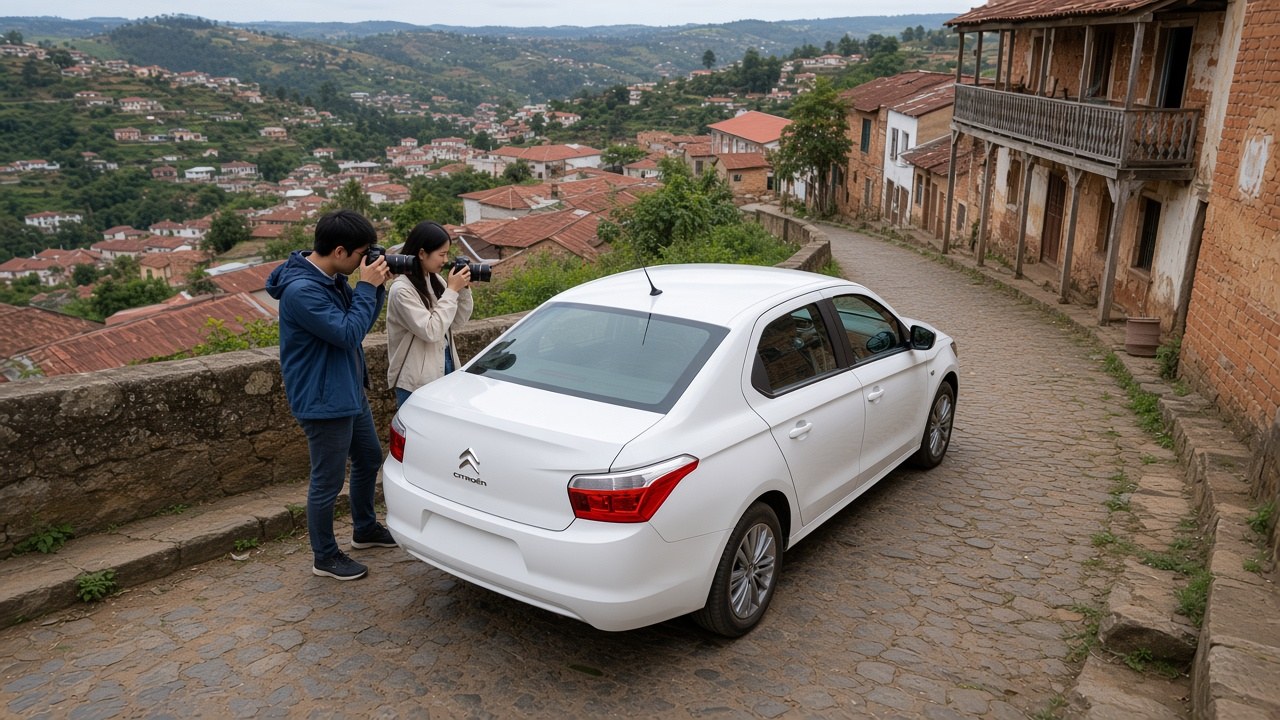
You reduce most of the avoidable risk by booking transfers, not flashing cash or cameras in markets, and leaving enough time so you are never arriving at night on an unfamiliar road. A private driver is, for many visitors, as much a safety choice as a comfort choice.
Be attentive in busy streets, on taxis, and after dark. Use booked transfers from the airport.
The greater statistical risk for many travellers. Daylight driving and a sober, experienced driver matter.
Generally calm. Follow your guide, watch your footing, and take standard health precautions.
Cities, Theft and Common Sense
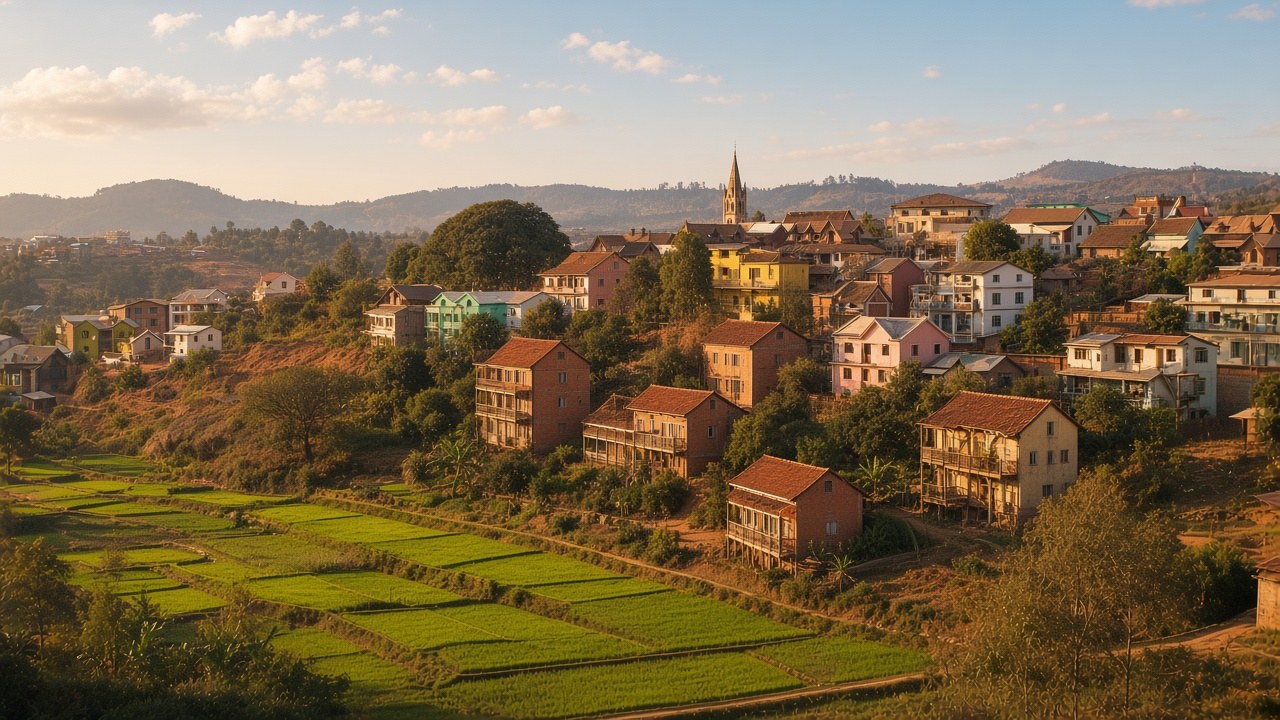
Antananarivo is a fascinating city and also the place where visitors are most likely to meet pickpockets or a billed taxi ride that needs a firm, pre-agreed fare. Keep bags closed and in front of you in markets, do not wander with a camera hanging loose, and use an airport transfer to the city centre rather than negotiating on the pavement after a night flight. Our Antananarivo airport transfer guide explains the practical side of that first hour.
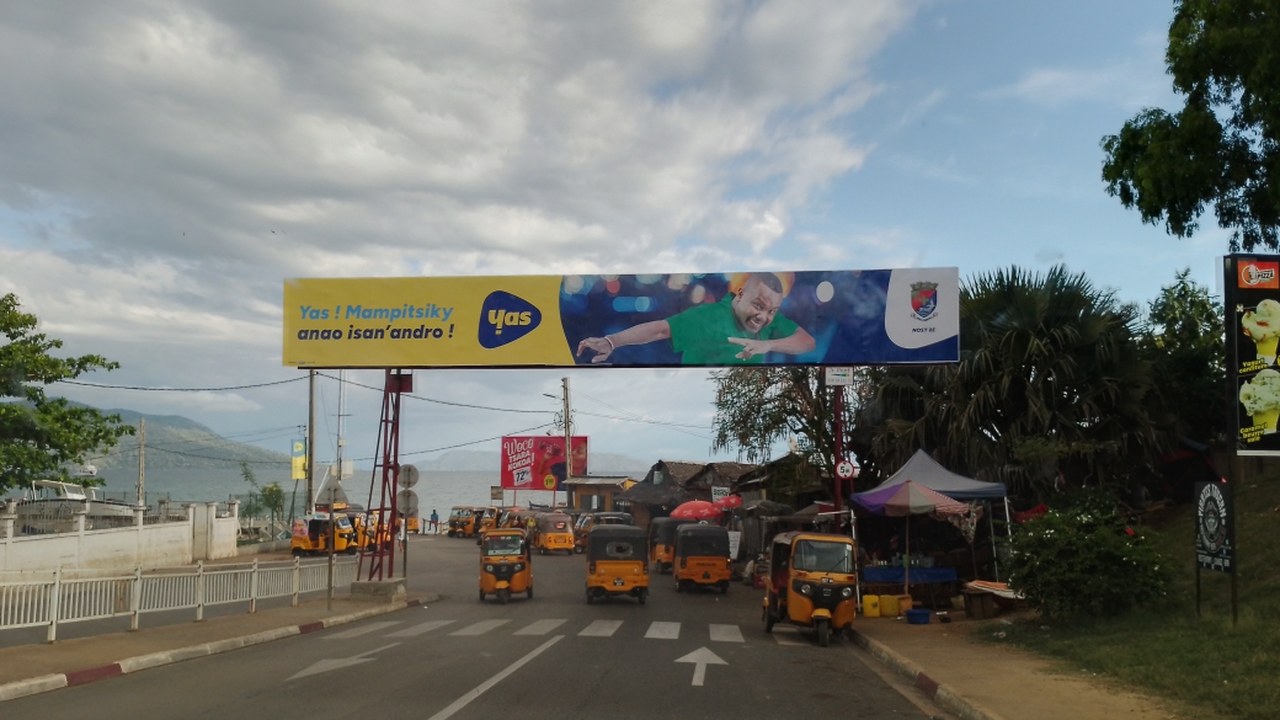
After dark, take a taxi or a booked driver rather than walking long distances between neighbourhoods, especially if you are carrying a bag. The same habits help in Toamasina, Tulear and other large towns. In small park villages the atmosphere is often quieter, but you should still ask the lodge about walking at night, because roads are unlit and you can easily twist an ankle.
Political demonstrations occur, particularly in the capital. If one is announced, stay away, change a city walking tour to another day, and follow local advice. This is another reason to have a contact in the country who can adjust a pickup time.
- Start with a booked airport transfer and a private driver for the long days.
- A classic, well-travelled route is the Madagascar RN7 Tour.
- Read how to plan time in Antananarivo before a city day.
Road Safety
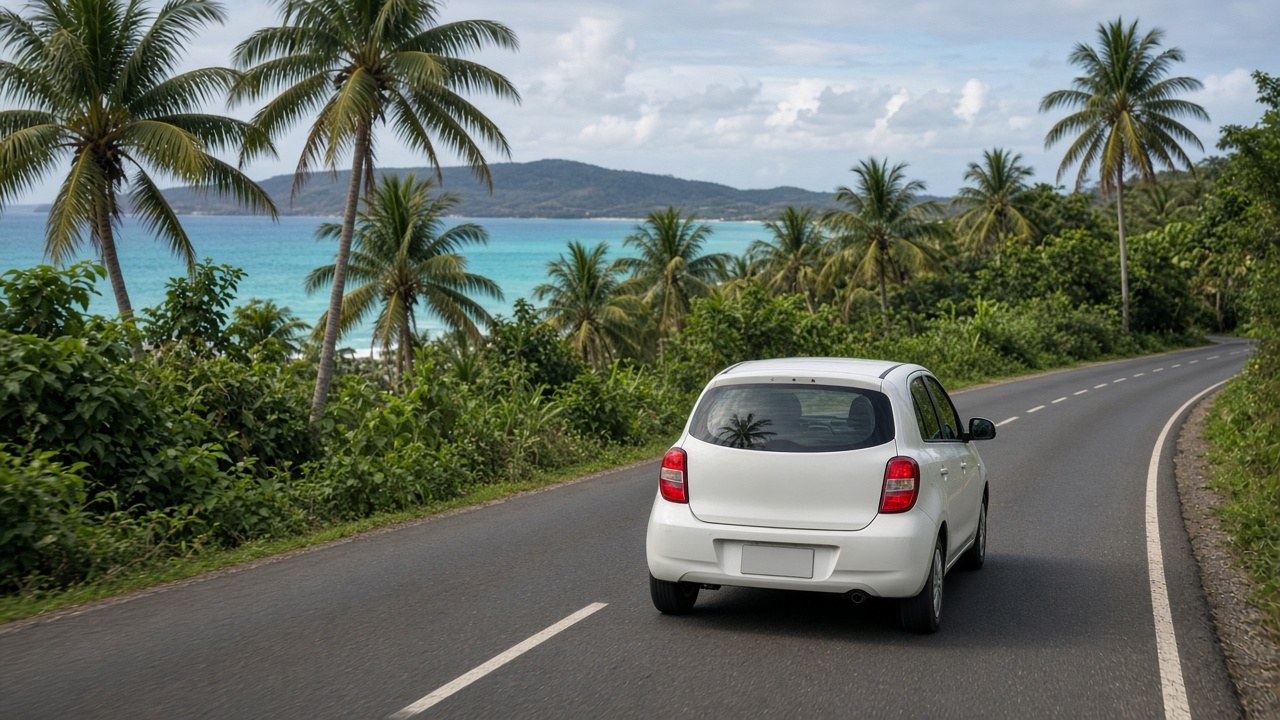
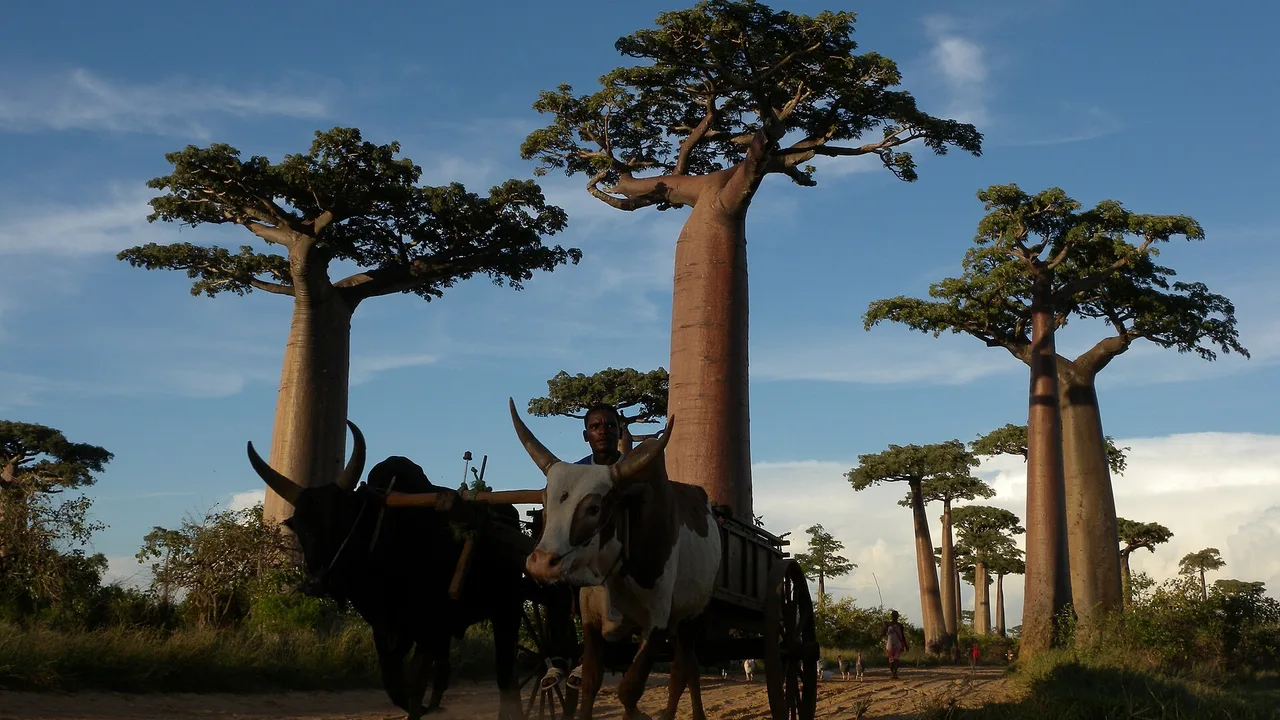
This is the topic that deserves the most respect. National roads mix trucks, zebu, pedestrians and, sometimes, deep potholes or unmarked hazards. Night driving outside towns is unwise. A professional driver who knows the route, starts early, and is not trying to cover an impossible distance is the single best safety decision you can make on an overland trip.
Wear a seatbelt when there is one, sit in the back if you prefer, and do not press a driver to continue after dark to “save a day”. Building a realistic itinerary, such as a two-week Madagascar itinerary, is part of staying safe. Self-drive is possible for confident, experienced drivers, but it is not the lower-stress option for most first-time visitors, and an accident far from a major town is complicated.
Parks, the Coast and Outdoor Risks
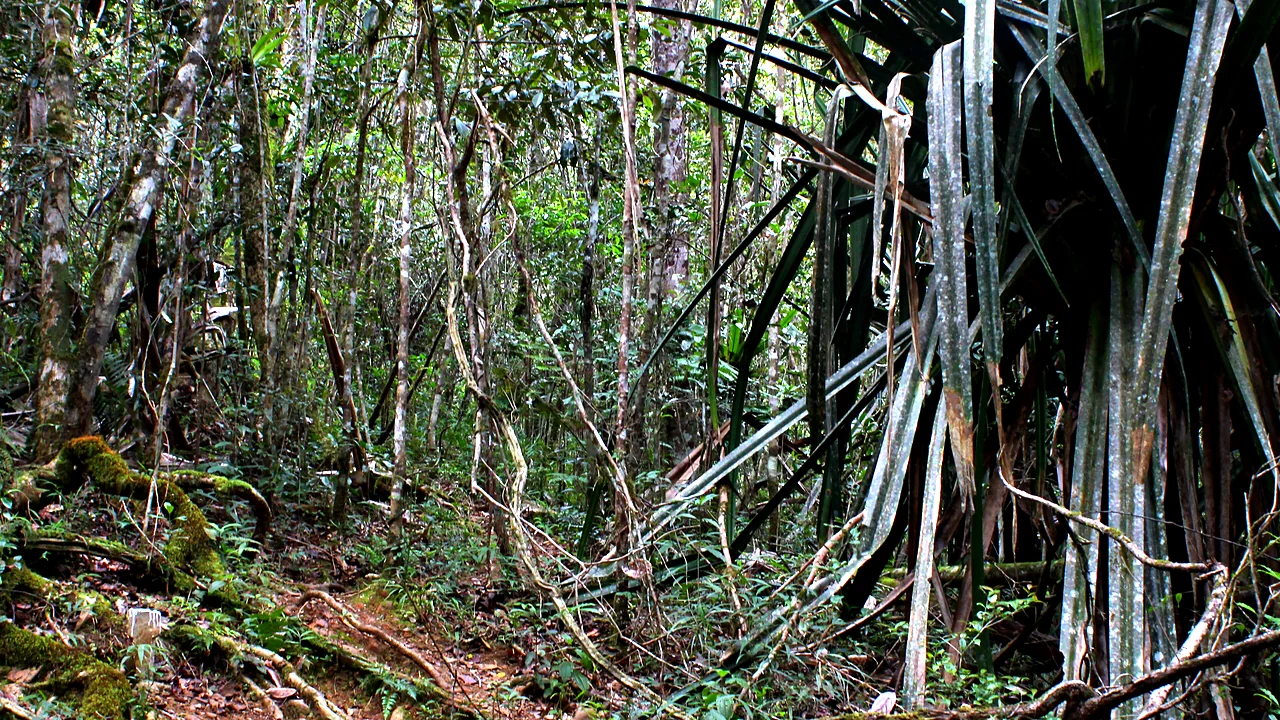
In the national parks you walk with a licensed local guide, which is both a rule and a help. The usual issues are slippery trails, heat on exposed rock, and occasional close encounters with wasps or spiny plants, not confrontations with people. On the Tsingy, follow the harness instructions and say so if you are unhappy with exposure. On boats to island reserves, wear the lifejacket and pay attention to the weather; crossings can be cancelled for good reason.
Swimming has ordinary water sense attached: ask about currents, do not dive into murky rivers, and be cautious about fresh water where schistosomiasis is a known risk. Saltwater beaches at established hotels are, for many visitors, the easier swim. If you snorkel, use decent footwear on reefs and do not touch coral.
Health Precautions
Malaria is present in many regions, especially in coastal and lowland areas and in the wetter months. Talk to a travel clinic about prevention, use repellent, and sleep under a net when one is provided. Tap water is not a safe drinking source for visitors; stick to bottled or properly treated water. A simple stomach illness is more likely than a dramatic emergency, so rehydration salts earn their place in the bag.
Medical care in Antananarivo is better than in remote parks. Carry insurance that includes evacuation, keep a copy of the policy, and do not delay seeking help if you have a serious bite, a high fever or an injury on the trail. For packing the practical kit, use our Madagascar packing list.
Solo Travellers, Families and Women
Solo travellers visit Madagascar throughout the year, and most have a straightforward time if they use booked transfers, avoid isolated night walks in cities, and share their itinerary with someone at home. A private driver reduces a lot of friction. Women travellers often report curiosity and friendliness rather than systematic harassment, but the usual urban precautions apply, and conservative clothing in villages is a mark of respect as well as a way to attract less attention.
Families do this trip successfully when driving days are kept reasonable and walks are chosen to match the youngest child. A private vehicle is much easier than public transport with children. For a first family circuit, the RN7 with two-night stops is more comfortable than a dash to a remote park.
| Topic | Practical habit |
|---|---|
| Airport and city transfers | Pre-book; agree the fare if you use a taxi |
| Overland travel | Daylight only, realistic distances, experienced driver |
| Valuables | Minimal display, hotel safe, copies of documents |
| Health | Clinic advice, repellent, bottled water, good insurance |
| Parks | Licensed guide, proper shoes, early starts |
Scams and Everyday Friction
The usual issues are inflated taxi prices, unofficial “helpers” at airports, and occasional overcharging in souvenir stalls. A calm, polite refusal and a pre-arranged pickup solve most of them. Visa or e-visa lookalike websites are a different kind of trap; use only the official government portal, as explained in our Madagascar visa guide.
Do not accept unsolicited change-money offers, and keep a small amount of small-denomination ariary for tips and water so you are not changing a large note in the street. These are ordinary travel habits, not signs that the country is unwelcoming.
A Sensible Way to Travel
- Read your government’s latest travel advice before you confirm dates
- Book the airport pickup and the long driving days
- Stay in known lodges and walk city streets with your bag under control
- Do not drive at night between towns
- Take out proper travel insurance, including evacuation
- Leave room in the itinerary so you never have to rush a mountain road after dark
Madagascar is a place that rewards travellers who are alert without being fearful. Come with a realistic plan, a good driver and the usual city caution, and you can spend your attention on lemurs, baobabs and the road ahead rather than on imagined disasters.
Frequently Asked Questions
Is Madagascar safe for tourists?
Many tourists visit without incident each year, especially on established circuits with booked transport. You still need to be careful in cities, on the roads and with your health.
Is Antananarivo safe to walk around?
By day, central areas can be explored with normal urban awareness. After dark, use a taxi or a booked driver, and keep valuables out of sight.
Is it safe to travel solo?
Yes for many independent travellers, particularly if you book transfers and lodges rather than arriving unannounced at night.
What is the biggest risk on a typical trip?
Road accidents and health problems are the issues worth taking most seriously, more so than the stereotypes people sometimes bring with them.
Do I need a guide in the parks?
In national parks a licensed local guide is required. It is also the safer and more informative way to walk the trails.
Get Your Free Custom Madagascar Tour Quote Today!
If you want a trip with booked pickups, a known driver and a realistic daily rhythm, we will plan it with you from the first landing to the last park walk.
Browse Multi-Day Tours Explore Short Excursions