Berenty is the place many people have already seen in photographs before they have any idea of the name. Ring-tailed lemurs move through gallery forest along the Mandrare River, and Verreaux’s sifakas, the pale “dancing” sifakas of the south, bound upright across open ground between the trees. It is a private reserve, not a national park, and it is one of the most straightforward wildlife experiences in Madagascar, provided you are willing to travel to the far south to get there.
The reserve lies inland from Fort Dauphin, also called Tolagnaro, at the end of a long road through sisal country and spiny forest. It does not sit on the RN7, and it is not a casual add-on from Isalo or Tulear. This guide covers how to visit, what the days feel like, and how Berenty fits a southern itinerary. Start with the visit Fort Dauphin guide for the wider area, and the lemurs guide for how this site compares with Andasibe or Kirindy.
What You Come to See
The gallery forest, a ribbon of tamarind and other trees along the river, is the centre of the visit. Ring-tailed lemurs are social and often easy to watch if you keep your distance and let them choose the range. Verreaux’s sifakas spend time in the same forest and in the adjacent dry and spiny vegetation; the sideways bounds that look choreographed are simply how they cross open sand and sisal when the trees do not meet. Late afternoon can also bring flying foxes leaving a roost, a spectacle that surprises people who came only for the lemurs.
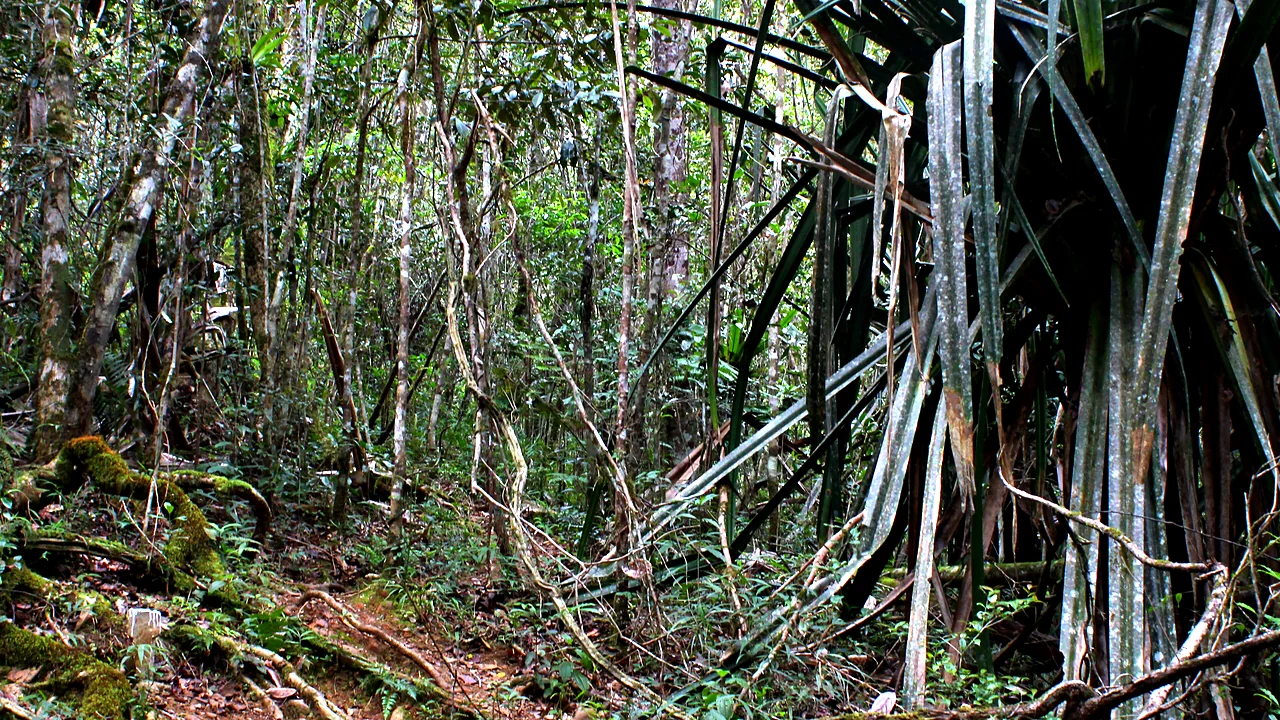
There are also spiny-forest walks, birds, and a landscape that feels completely different from the highlands or the eastern rainforest. The reserve is well used by visitors, which has two sides: viewing can be easier than in a remote park, and you should still behave as if the animals were wild, because they are. No feeding, no crowding, and no getting between a group and the trees.
The classic Berenty scene: troops in the riverine trees, best early and late, with quiet watching rather than a chase.
The “dancing” sifaka of the south, often seen crossing between feeding trees in the morning or afternoon.
A second habitat on the same site, plus fruit bats at dusk when the roost is active.
How to Get There
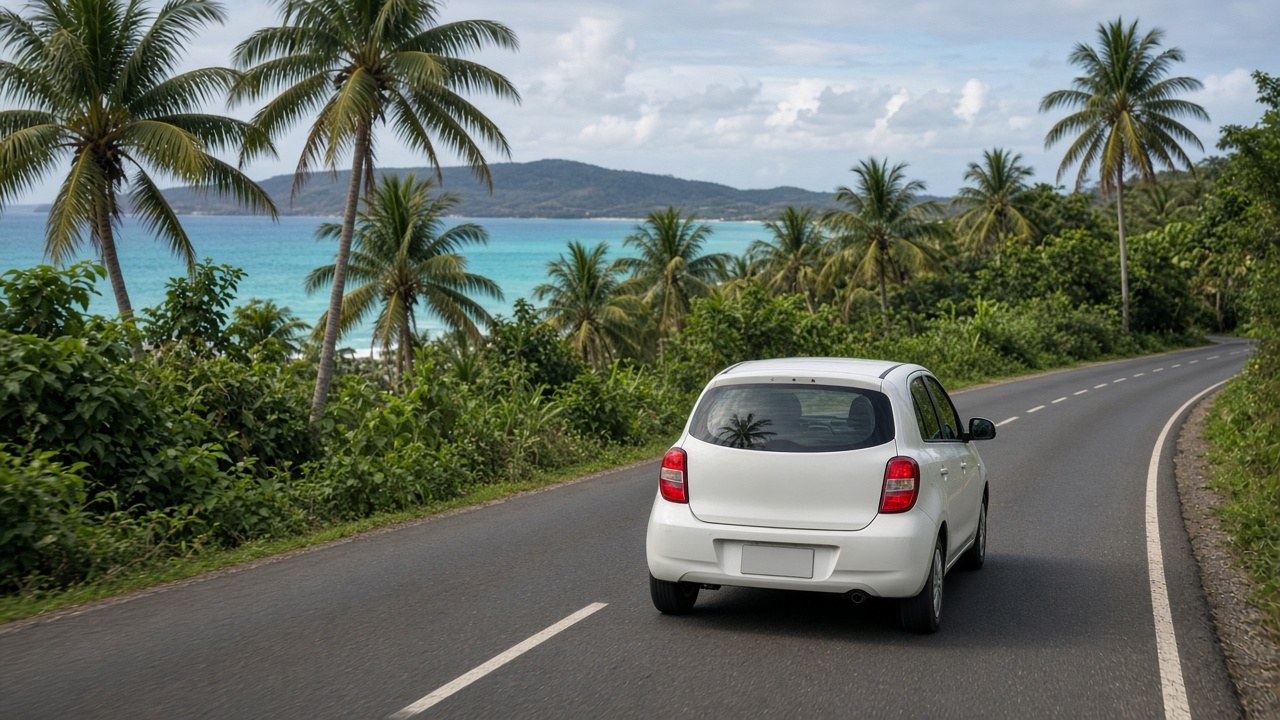
Almost everyone reaches Berenty via Fort Dauphin. The usual way in is a domestic flight from Antananarivo, then a road transfer of several hours, often in the range of three to four hours depending on the track and the season. It is a long, sometimes corrugated drive, not a short taxi hop. A 4×4 and a driver who knows the reserve timings are the sensible choice. The Berenty Reserve excursion, the Fort-Dauphin to Berenty transfer and the airport transfer to Berenty are the standard arrangements.
If you have more than a flying visit, the two-to-four-day Fort-Dauphin driver can also include other southern reserves such as Andohahela. Do not try to reach Berenty overland from the RN7 in a tight schedule; the deep south is its own circuit, which is why it appears on the Madagascar Deep South Tour rather than as a single night at the end of a standard south run.
When to Go and How Long to Stay
The dry season is the practical window for the road and for more comfortable walking in the spiny forest. Mornings and late afternoons are the best hours in every season; midday is hot and quieter. If you care about seeing infants with the lemur troops, the months after the start of the dry season are often mentioned, but you should still treat that as a tendency, not a booking guarantee. For a countrywide view, use the best time to visit Madagascar.
A day trip from Fort Dauphin is possible and is how many people do it, but it makes for a very long day: early departure, heat, and a late return. One night at the reserve, better two, changes the visit completely, because you get dusk, dawn and a second walk without the same road hours on either side. If you only have one southern night, spend it at Berenty rather than in town, and keep a buffer night in Fort Dauphin before your flight out.
- Book the Berenty Reserve excursion with an overnight if you can.
- Or travel the wider Madagascar Deep South Tour.
- Pair it with other Fort Dauphin days from the visit Fort Dauphin guide.
Where to Stay and What It Costs
The reserve has simple to mid-range bungalow accommodation on site, which is the whole point of staying: you walk out in the early morning without a long transfer. Facilities are comfortable enough for most travellers, without being a beach resort. Fort Dauphin itself has a wider hotel choice if you need a night before or after the flight; see Fort-Dauphin accommodations. Combined stays, with one night in town and one or two at Berenty, work well.
Reserve entry and a guide are a normal daily cost, often in a planning range of about EUR 20 to 60 per person depending on what is included. On-site rooms vary, commonly somewhere around EUR 50 to 180 a night in mid-range planning, with simpler or fuller-board arrangements outside that. The road transfer from Fort Dauphin is a significant line in the budget and should be quoted clearly, whether as a day excursion or as part of a multi-day driver. For the wider picture, see Madagascar travel costs and Fort Dauphin airport transfers.
| Item | Typical planning range |
|---|---|
| Reserve entry and guide, per person | About EUR 20 to 60 |
| On-site bungalow, per night | About EUR 50 to 180 |
| Road time from Fort Dauphin | Often around three to four hours each way |
| Recommended stay | One night minimum, two if you can |
Tips, Mistakes and How It Fits a Larger Trip
The usual mistake is to treat Berenty as a same-day outing from a packed RN7 trip. You cannot do that honestly. The second is to walk too close to the animals because they seem accustomed to people. Habituation is not an invitation. The third is to arrive at midday, photograph in the harshest light, and leave before the bats and the late sifaka movement. Take a hat, more water than you think you need, and quiet shoes. The packing list still applies in the south, with extra attention to sun.
If this is a first trip to Madagascar and you only have two weeks, be honest about the cost in flights and days. Berenty is wonderful, and it is also a detour. A first-time two-week itinerary often stays on the RN7 and the west; the deep south can be a later journey, or the main theme of a dedicated week built around Fort Dauphin. If you do come, do not try to add the Tsingy de Bemaraha or Nosy Be on the same short trip.
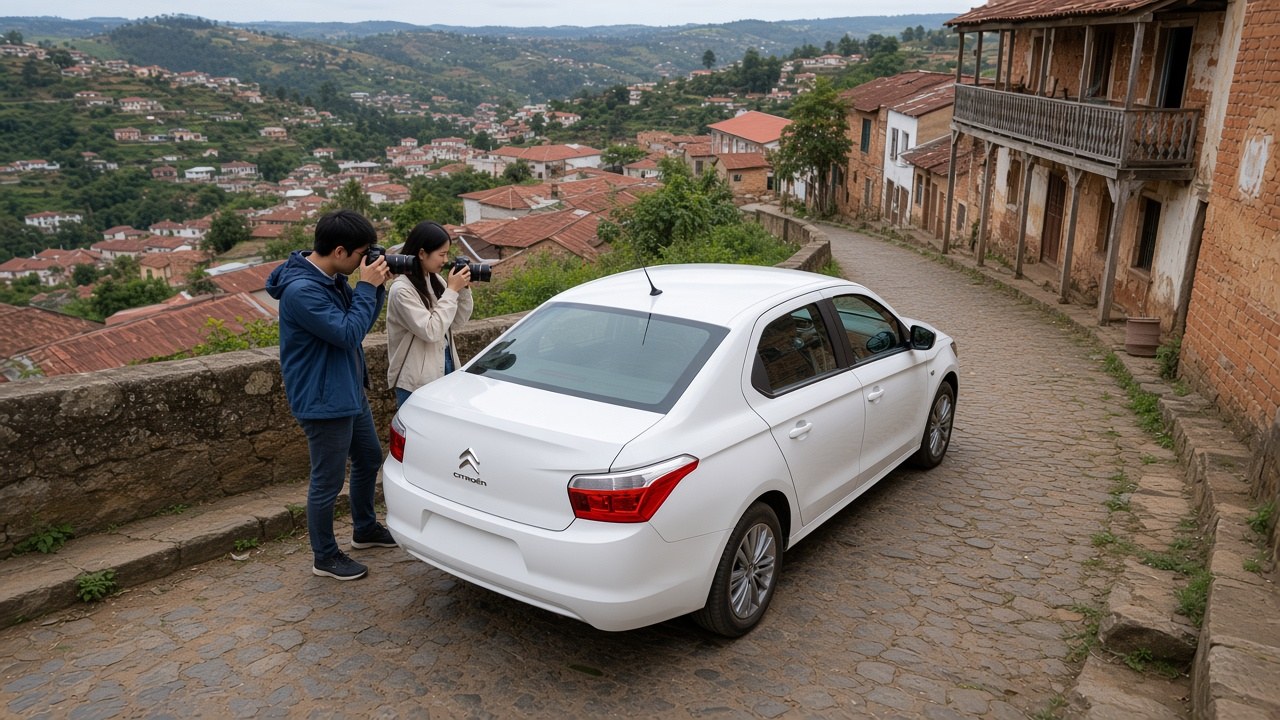
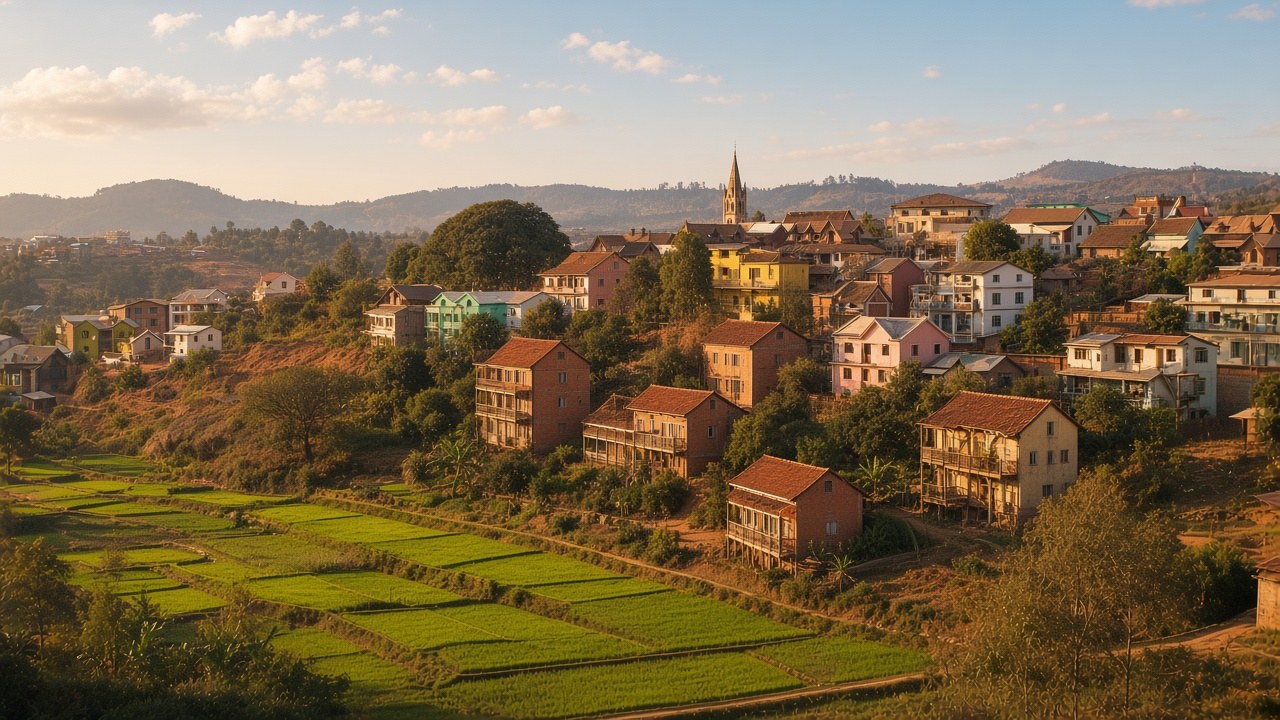
A last practical point: the drive itself is part of the geography lesson, through sisal plantations and a landscape that looks unlike the highlands. Leave early, keep some flexibility if a tyre or a river crossing slows you, and do not plan a tight evening flight out of Fort Dauphin on the same day you return from the reserve.
A Note on Behaviour and Photography
Because the animals at Berenty are used to people, it is easy to forget that this is still their territory. Keep a few metres away, never hold out food, and do not force a sifaka to hop for a photograph. A longer lens and a quieter stance will give you better pictures than a close approach. The same manners you would use in Andasibe apply here, even if the viewing is easier. If you travel with children, agree the rules before you leave the bungalow; the Madagascar with kids notes on wildlife behaviour are useful in a reserve like this as well.
Midday is for shade, a late lunch and looking at the spiny forest or the river edge, not for walking in the open heat. That rhythm is another argument for staying overnight. You can take the hot hours slowly, then go out again when the light and the animals both improve.
Frequently Asked Questions
How do I get to Berenty Reserve?
Fly to Fort Dauphin, then drive several hours inland by 4×4. It is not a side trip from the RN7.
Can I visit as a day trip?
Yes, but it is a long day. Staying one or two nights at the reserve is much better for dawn and dusk.
Will I see ring-tailed lemurs and sifakas?
Berenty is one of the most reliable places for both, especially with a guide and early walks, but no sighting is a formal guarantee.
When is the best time to visit?
The dry season is the most practical for the road and for walking. Early morning and late afternoon are the best hours in any month.
Is Berenty a national park?
No. It is a private reserve. You still visit with a guide, pay entry, and follow the same respectful wildlife rules.
Get Your Free Custom Madagascar Tour Quote Today!
Tell us if the far south is a priority. We will fit Berenty, your Fort Dauphin flights and enough nights on the reserve into a route that does not treat the lemurs as a rushed day trip.
Browse Multi-Day Tours Explore Short Excursions