Madagascar is not a theme-park destination, and that is precisely why families who plan it carefully remember it so clearly. Children can stand a few metres from an indri at dawn, walk a canyon path at Isalo, or snorkel a shallow reef after a long but worthwhile journey. The same trip becomes exhausting if you treat it like an adult wildlife circuit and simply bring the children along.
This guide is about travelling Madagascar with kids in a way that stays enjoyable: shorter driving days, parks that reward a modest walk, and enough beach or lodge time to recover. It assumes school-age children or confident younger ones. Infants and toddlers can travel here, but the heat, long transfers and malaria precautions make that a more specialised plan. For season, start with the best time to visit Madagascar.
What Works, and What to Skip
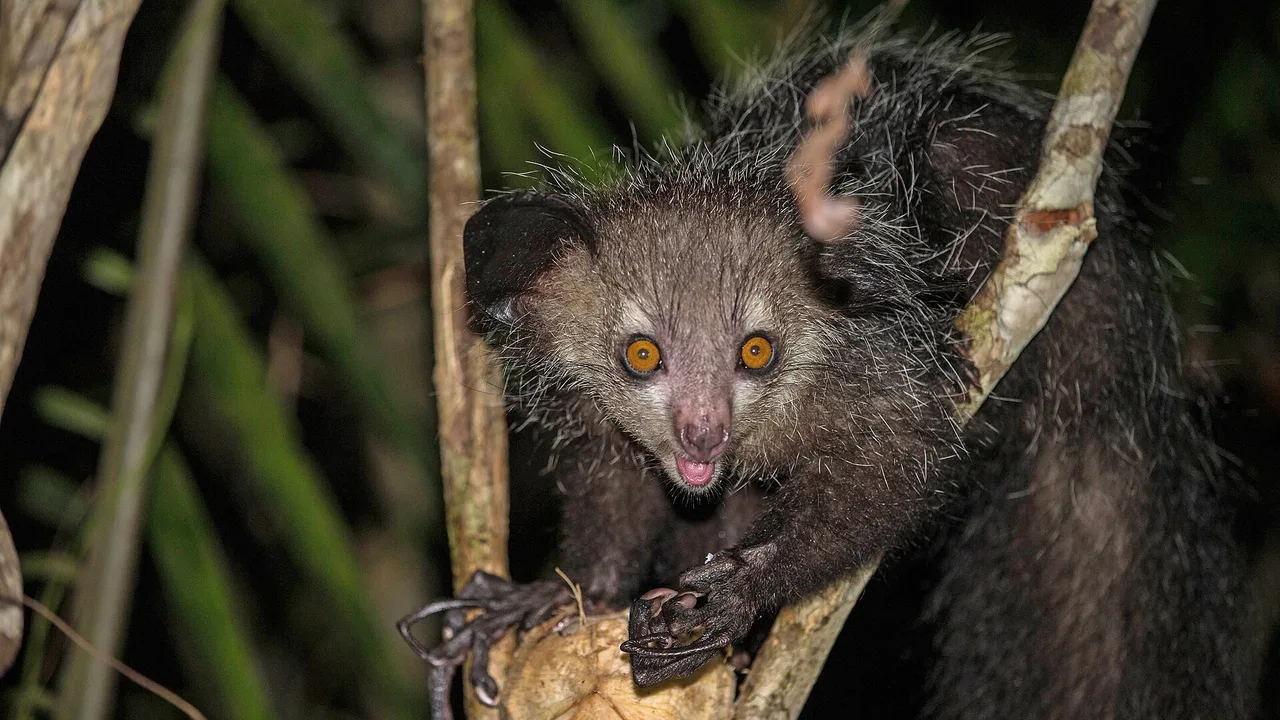
The family-friendly core is usually Antananarivo, Andasibe, a shortened RN7 or a flight to a beach, and plenty of nights in the same bed. Andasibe is the single best first park for children: the indri call is unforgettable, circuits can be chosen to match energy, and the night walk feels like an adventure if it is kept short. Isalo works for older children who like to walk. Nosy Be, Ifaty and Sainte-Marie give you sand, snorkelling and a pause from the road.
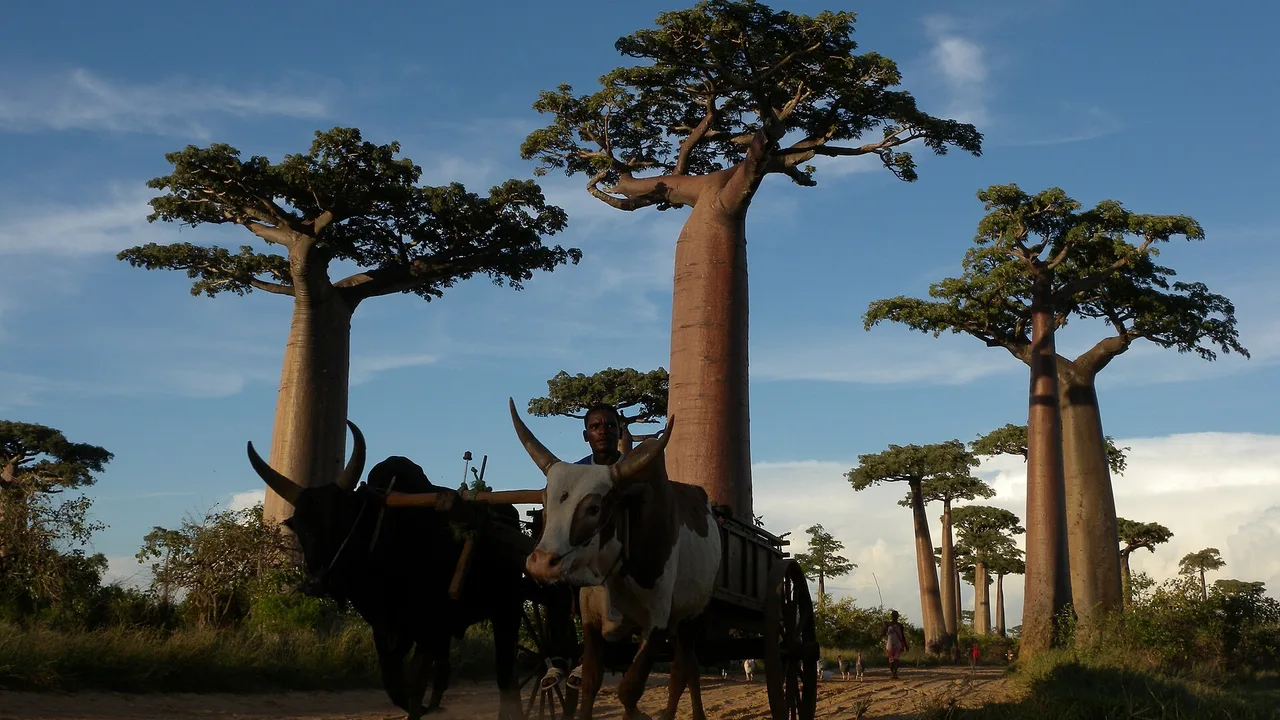
The Grand Tsingy is a poor idea for young children: hanging bridges, harnesses and sharp limestone are built for sure-footed adults. A long Tsiribihina river trip or a remote trek in Andringitra is also better left for a later, older visit. If you want the west, the Avenue of the Baobabs and a gentle Kirindy walk are enough.
Indri, night walks and a manageable transfer from the capital, with lodge time between outings.
Open trails, natural pools and changing landscapes, if you keep the driving days honest.
Beaches and simple boat trips after the parks, without packing every day with activity.
A Realistic Family Route
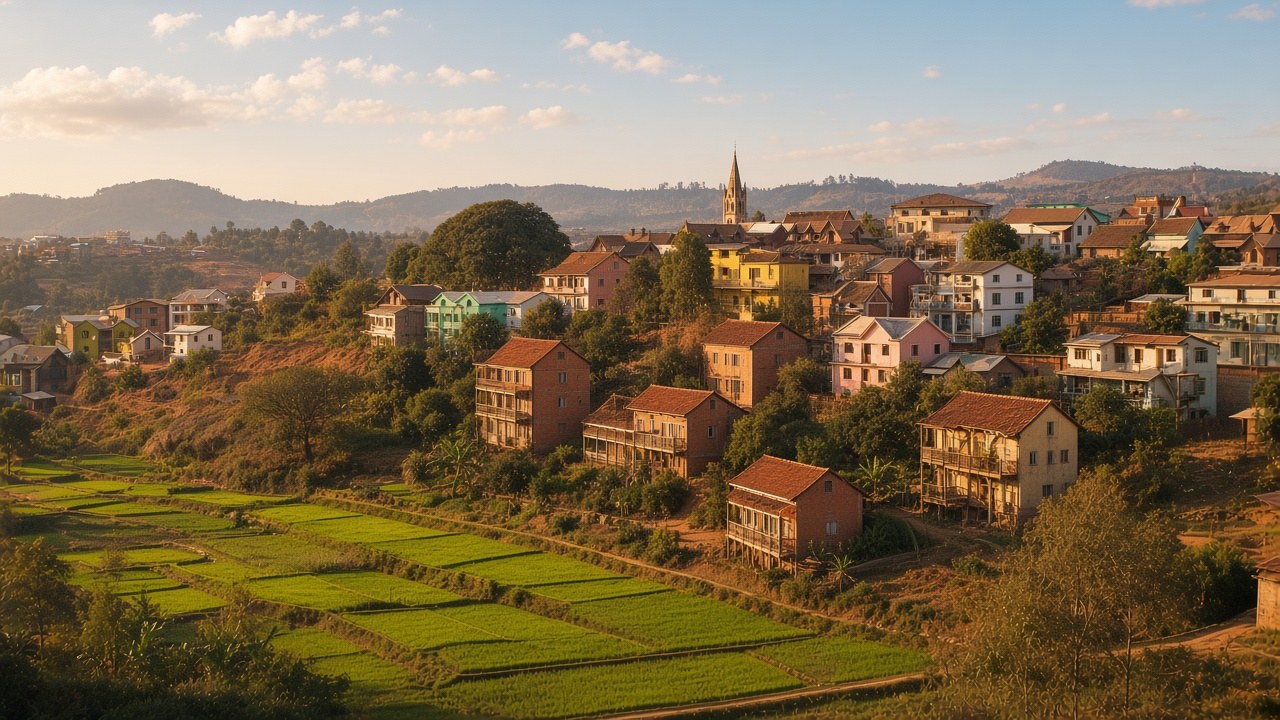
A first family trip often looks like this: two nights in or just outside Antananarivo to recover from the flight, three nights in Andasibe, then either a flight to Nosy Be or a shortened road journey south with two nights at Ranomafana or Isalo and a few nights on the coast near Tulear. Twelve to fourteen days is more comfortable than ten. If you only have about a week, stay with Tana, Andasibe and one beach, and leave the RN7 for another time. The two-week itinerary can be relaxed rather than copied stop for stop.
Build the day around one main outing, not three. A dawn lemur walk, lunch and a swim or a rest beats a second long transfer the same afternoon. Night walks should be optional, early, and easy to abandon if someone is tired. The Andasibe Indri excursion and a short night walk are plenty for the first park stay. The Madagascar Family Adventure Tour is the ready-made version of this thinking.
Road Days, Drivers and Car Seats
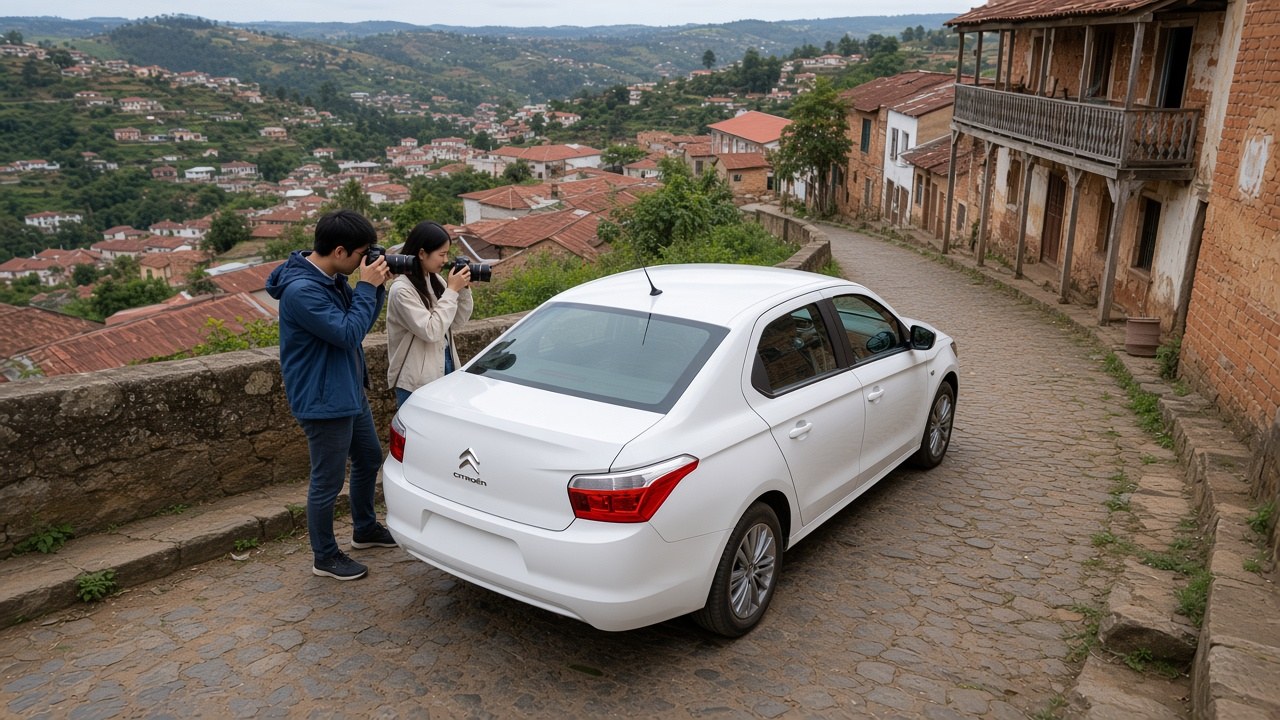
Road time is the part children remember least fondly. A private driver, not a shared taxi-brousse, is the sensible family choice: you control stops, snacks and the pace. See private drivers in Madagascar and plan fewer kilometres than an adult trip would attempt. A stretch that looks short on the map can still take a full morning.
Child car seats are not a given in every vehicle. If you need a proper seat or booster, say so when you book and, for smaller children, consider bringing a lightweight seat or a travel harness that you already trust. Agree front-or-back seating, air-conditioning and a stop rhythm before you leave Tana. Keep a small bag in the cabin with water, snacks, wipes, a light layer and a downloaded film or audiobook for the dull stretches. The packing list is a starting point; add the children’s extras rather than hoping to find them on the road.
Parks, Beaches and Pace
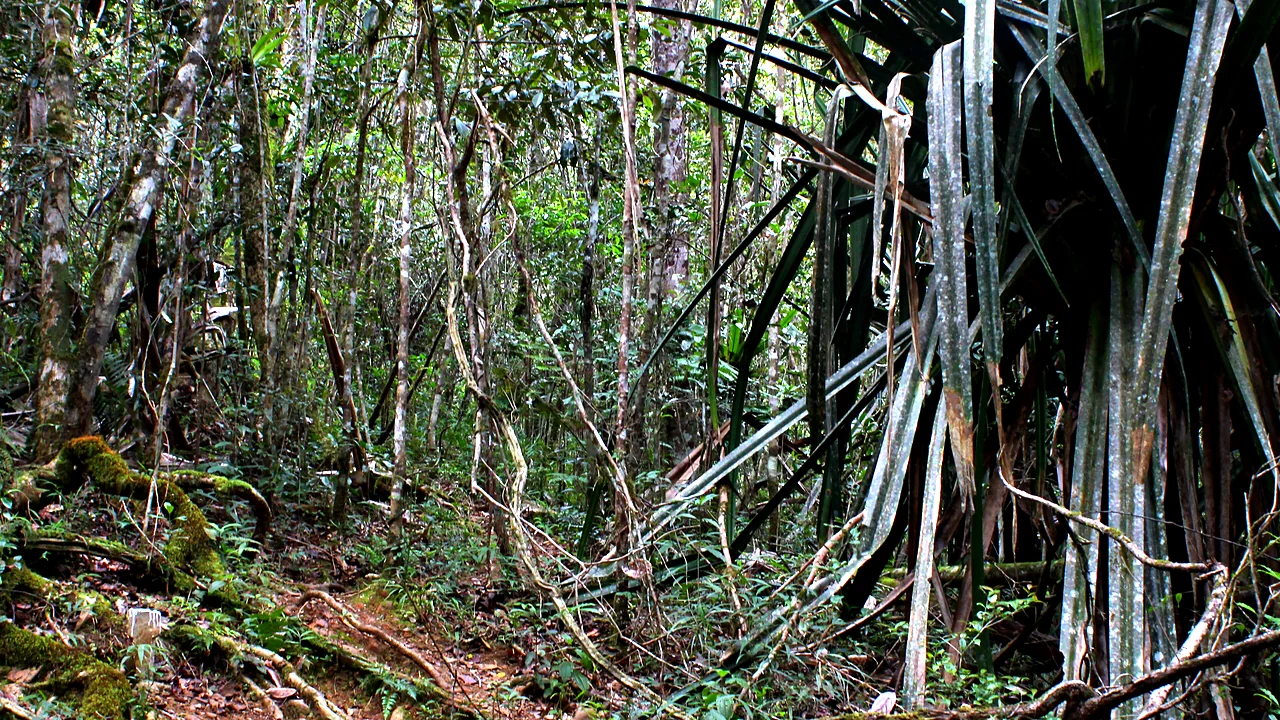
In the forest, hire a guide who is used to families and say the children’s ages at the start. Guides can choose a flatter circuit, spend longer with one group of lemurs, and skip a steep extra loop. Bring a hat, insect repellent suitable for children, and a carrier for little ones who will not walk the whole way. In Isalo, start early, carry more water than you think you need, and treat the natural pools as a highlight rather than an add-on at midday.
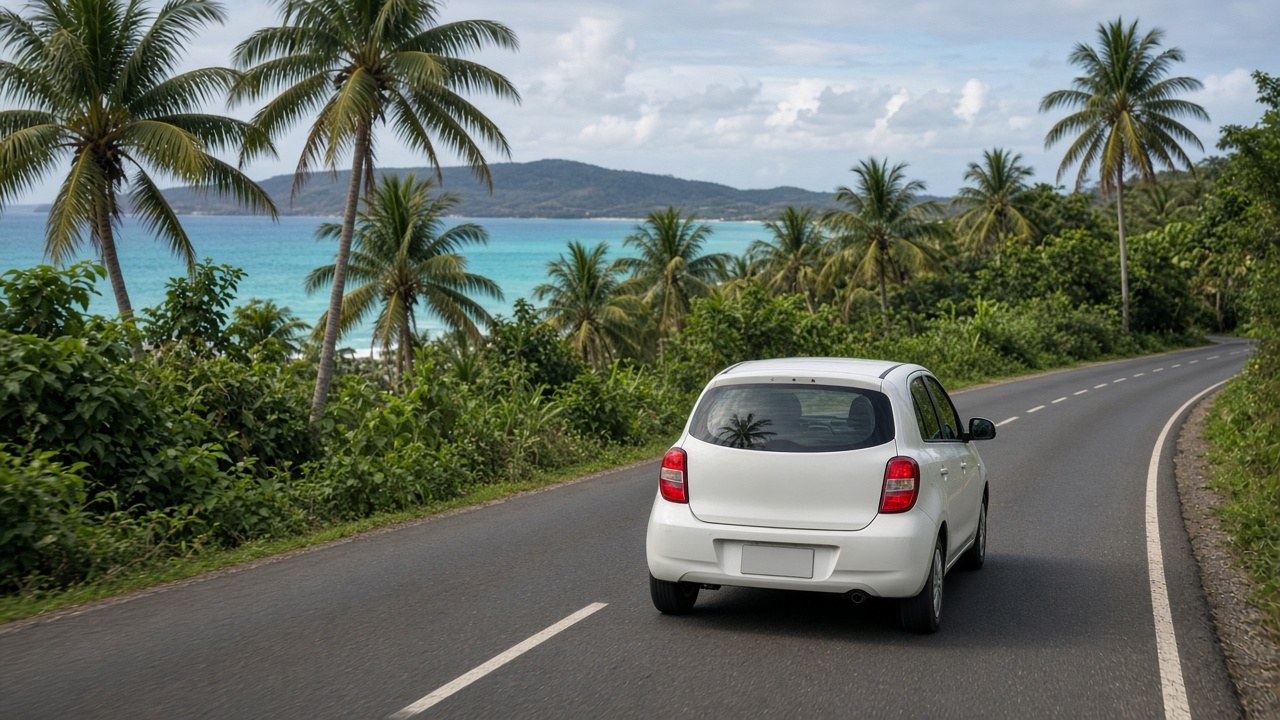
On the coast, choose a beach with a gradual entry and a lodge that has space to play, not only a photogenic jetty. Ifaty and Mangily are straightforward after the road from Tulear; the Ifaty beach and mangrove excursion is an easy half day. Nosy Be has more choice of family hotels and simple island trips such as the Nosy Komba and Nosy Tanikely excursion, which can be shortened if needed. Sainte-Marie and Île aux Nattes are quieter, with whale season as a possible bonus in the mid-year months.
Lemurs Park near the capital can be a gentle first or last stop if you have a spare window in Tana, but it does not replace Andasibe. Keep souvenir stops short, and be clear with children before you enter a village or a market: no wandering off, and no feeding animals, even when someone offers.
Health, Food and Sleep
Speak to a travel clinic in good time. Madagascar is a malaria country in many regions, and the right prevention for children depends on age and destination; that is medical advice you should get at home, not from a blog. Pack the repellent, a child thermometer, oral rehydration salts, any regular medicines, and a basic first-aid kit. Drink sealed bottled or properly treated water only, including when brushing teeth if you want to be cautious. For a wider health overview, wait for a dedicated briefing from your clinic and use common food care: cooked food, peeled fruit, and care with ice and salads. The is Madagascar safe guide covers general city and road caution, which also applies to families.
Meals for children are easier than many parents fear. Rice, grilled fish, chicken, omelettes, pasta in tourist lodges and fruit appear often enough. Spicy condiments can usually be served on the side. Bring a few familiar snacks from home for long drives and late arrivals. Lodge dinners can be slow; a slightly earlier sitting helps. Mid-range family rooms or neighbouring doubles are easier than hoping a small bungalow will sleep everyone comfortably.
| Item | Family planning note |
|---|---|
| Trip length | 12 to 14 days is more comfortable than a packed 10 |
| Park stay at Andasibe | Three nights beats two |
| Driving day | Plan one main transfer, then stop |
| Mid-range family lodge, per night | Often about EUR 70 to 220, depending on room and location |
Where to Stay with Children
Look for lodges with space between buildings, a safe path to the room, mosquito protection, and staff used to early breakfasts. In Andasibe, staying close to the park is more valuable than a fancier room far away; see Andasibe accommodations. In the capital, a quieter hotel with a reliable airport transfer matters more than being in the busiest downtown streets; start with Antananarivo accommodations and the airport transfer guide.
At Isalo, a lodge with a pool changes the afternoon. On the coast, ask about the beach entry, whether lunch can be simple, and how boats are boarded. Nosy Be accommodations and stays near Ifaty are the usual family beach choices; Sainte-Marie suits families who want a quieter island and can accept a slightly longer journey. Book connecting rooms early in the high season, especially around European school holidays.
Tips and Mistakes to Avoid
The main mistake is copying an adult wildlife itinerary and hoping the children will adapt. The second is underestimating heat and transfer times. The third is planning a highlight every afternoon so that nobody has a free hour. Leave gaps. Let a lemur watching session run long if it is going well, and cancel a second excursion without guilt.
Involve children in small choices: which beach afternoon, which postcard, which pastry at a highland bakery. Teach a few words of greeting. Be ready to skip a night walk, a long boat day or a steep canyon if the morning was already enough. For costs and the wider budget, see Madagascar travel costs. If you want someone else to hold the logistics together, start with the family adventure tour or a custom version built from multi-day tours and short excursions.
One last practical note: bring a written list of lodges, driver contacts and any medical information in your hand luggage. Phone coverage fades in the parks, as the route itself will make obvious by day three. Offline maps and a clear meeting plan matter more when you are travelling with children than when you are only responsible for yourself.
Frequently Asked Questions
Is Madagascar suitable for children?
Yes, if you choose gentler parks, keep road days shorter than an adult circuit, and add beach or lodge time. It is not an easy destination for a first trip with a very young toddler unless you already travel this way.
Which park is best for families?
Andasibe is the usual first choice: memorable lemurs, flexible walking circuits and a reasonable transfer from Antananarivo.
Should we take the RN7 with kids?
Only in a shortened form, with older children and enough nights. A flight to a beach after Andasibe is the calmer alternative.
Are the Tsingy and long river trips a good idea?
The Grand Tsingy and remote river or trekking routes are better for later trips. Baobab sunset and an easier reserve walk are enough of the west for most families.
Do we need a private driver?
For a family itinerary, yes. It is the practical way to control stops, seats and the day’s length.
Get Your Free Custom Madagascar Tour Quote Today!
Tell us your children’s ages and how many days you have. We will shape park walks, driving times and beach nights around a pace that works for the whole family.
Browse Multi-Day Tours Explore Short Excursions