Tipping is one of the questions we hear most often in our chats, usually just before a trip or on the first evening with a new driver. Travellers want to do the right thing, and they worry about getting it wrong. So here is the honest picture from our local team in Madagascar: how tipping actually works here, what other travellers have asked us and done, and a practical trick with small notes that makes everyday life on the road much easier.
One thing first. We are a team, and we do not all see tipping the same way. Some of us are firmly in the “no pressure at all” camp, others on our team like to give travellers a rough orientation. You will find both views below, side by side. Take them as experiences and opinions, not as rules.
The Reality: Tipping Is Not Part of Everyday Malagasy Life
In daily Malagasy life, people pay the price that was agreed or written on the board, and that is the end of it. Nobody rounds up at a hotely, a shop or a market stall, and nobody expects them to. If you come from a country with a strong tipping culture, or you have just been on safari in East Africa, this can feel unusual. It is simply how things work here.
For visitors, the picture is a little different. A tip from a foreign guest is warmly appreciated, especially by a private driver who has spent several days with you on the road, or by a park guide who found you a sifaka or an indri. But it is a gift, not an obligation. If you pay the exact price, nobody is being short-changed, and you should not feel guilty. As one of our booking managers often puts it in the chat: locals do not tip, so it is not required, but as a tourist you can if you want to.
That is also why our offers list tips under “not included”: not because they are expected, but because they are personal and entirely up to you.
Restaurants, shops, markets and taxis: locals pay the listed or agreed price and do not round up.
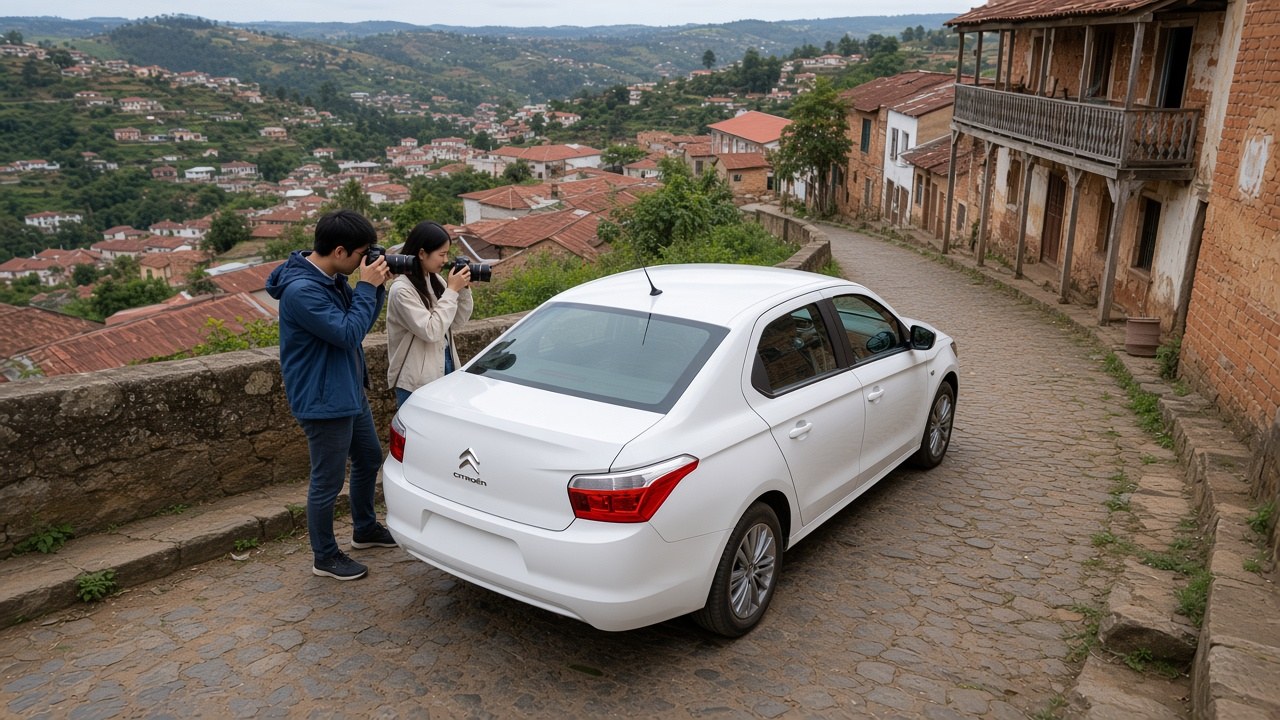
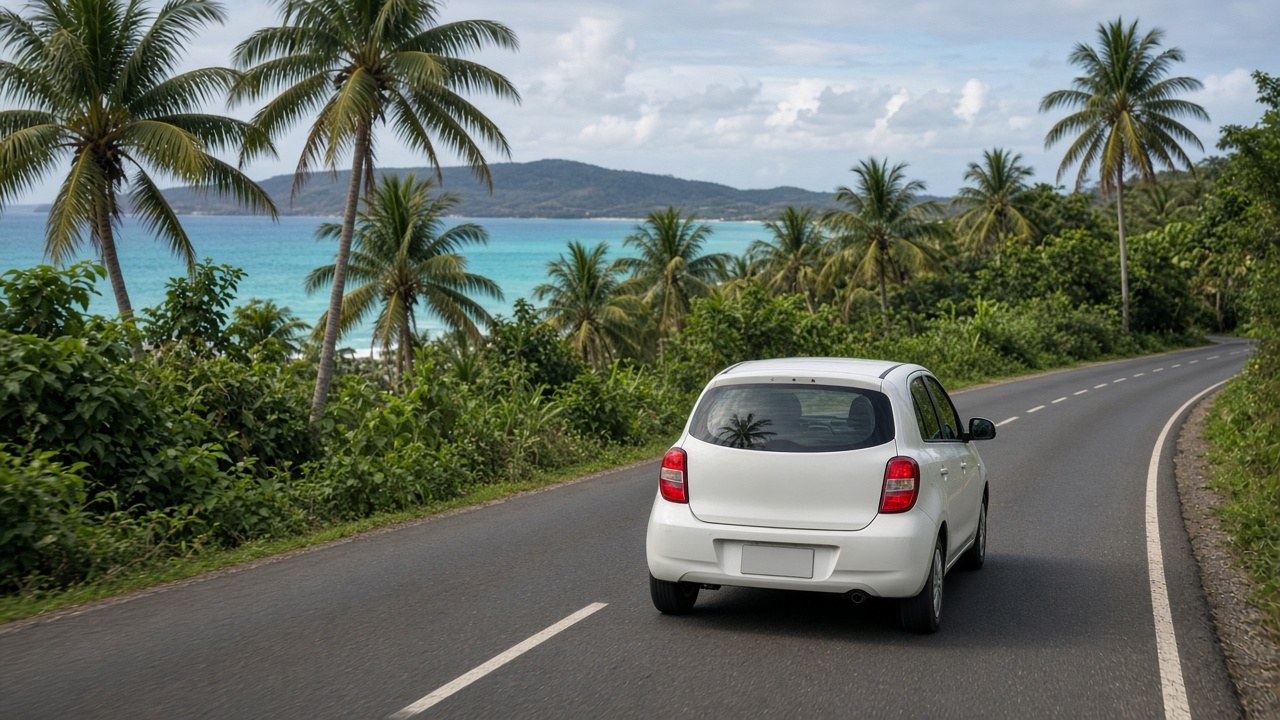
Drivers on multi-day trips and park guides are the people travellers most often thank with a tip.
1,000 to 5,000 ariary (about $0.20 to $1.10) works as a thank-you for a small favour and as a small gift. Most people here warmly appreciate both.
What Travellers Ask Us, and What Our Team Answers
We went back through our MadaAssist chats to see what travellers actually ask about tipping, and what our booking managers replied. Over the last two years, tipping came up in around 65 conversations. The same questions return again and again:
- Is a tip expected for the driver? This is by far the most common question, often asked before booking a multi-day trip.
- How much is reasonable? Per day, at the end of a week, for a half-day excursion, for a boat trip.
- Is the tip already included in the price? Travellers want to know whether the driver’s meals, lodging and “tip” are in the quote. Meals and lodging for the driver are part of our driver offers; the tip is not, because it is optional.
- Euros, dollars or ariary? And can a tip be added to the online payment, or passed on via our team?
- What about park guides? Many travellers are surprised that local guides in national parks are booked and paid separately from the driver.
Our booking managers’ answers have one thing in common: a tip is optional and depends on how satisfied you are. Beyond that, the views differ, and we think that is honest. When travellers have pressed for a figure, our team members have mentioned quite different ranges, from a euro or two (about $1 to $2) for a short service, to around 20,000 ariary (about $4.35) as a thank-you for a day or an excursion, to somewhere between 20,000 and 100,000 ariary (about $4.35 to $22) at the end of a longer trip with the same driver. One colleague likes to think in percentages, roughly a few percent of the daily service price; another simply says it depends on you. Others on our team prefer not to name numbers at all, because they do not want a suggestion to turn into an expectation.
Travellers’ own experiences vary just as much. Many give their driver something in an envelope on the last day. Some add a few euros to the online payment and ask us to pass it on, which we are happy to do. Others pay in euros because they did not have ariary left, and that works too. A few told us they felt uncomfortable when someone they had not booked joined the trip and seemed to hope for a tip. Our answer there is clear: you only owe what you booked, and you can always tell us if something feels wrong.
The Small-Notes Approach for Everyday Kindness
Some of us have found a simple habit that makes everyday encounters much more relaxed: carry a thick stack of 1,000 ariary notes. At current rates, one note is worth roughly 20 euro cents (about $0.22), so changing around 200 euros (about $220) gives you something like 1,000 small notes. That sounds like a lot of paper, and it is, but it changes how a day feels.
In Madagascar, you will meet people who help you with small things: someone who carries a bag up a steep path, a child who shows you the way to a viewpoint, a young person who watches the car in town. You will also meet people who simply ask. A small range works well: 1,000 to 5,000 ariary (about $0.20 to $1.10), depending on the help. That money is genuinely useful here. It buys a snack or a short taxi-be ride, it is easy to give with a smile, and it is easy to receive without embarrassment. If someone really went out of their way for you, 20,000 ariary (about $4.35) is a fine and generous thank-you.
And never think a small note is too little to matter. For people in real need, even 1,000 ariary is better than nothing, and you will almost always get a warm smile for it.
A small gift instead of a flat no. These notes are not only tips. In Madagascar, small gifts are seen in a positive way, and most people genuinely appreciate them. You will often meet vendors on beaches, at viewpoints or in villages who come up and offer their carvings, fruit or embroidery. If you like something, buy it; that is the best outcome for everyone. If you do not want to buy, a plain “no” can leave both sides a little awkward. Handing over a few mille, 1,000 to 2,000 ariary (about $0.20 to $0.45), with a smile and a “misaotra” (thank you) is a kind gesture that keeps the mood friendly for both of you.
The idea is not to hand out money everywhere. It is about having the right size of note when you do want to give, so that you are not stuck with a 20,000 ariary note (about $4.35) and an awkward choice. Small, frequent gestures also avoid distorting local prices the way a large tip to one person can, and they take the stress out of street encounters, for you and for the person in front of you. Other team members would add: you are never obliged to give, and a friendly “tsy misy” (there is none) with a smile is perfectly acceptable too.
How to Get Small Ariary Notes
This is the part that surprises most travellers. Getting small notes is harder than it sounds.
| Where to get small notes | Small notes? | Good to know |
|---|---|---|
| ATMs | No | Machines dispense large notes. Useful for cash, not for change. |
| Mobile Money kiosks (MVola, Orange Money, Airtel Money) | No | Cash-out points handle withdrawals for account holders; they do not break large notes into small ones. |
| Banks | Yes, crisp new notes | Usually only for local account holders. Ask your driver or guide, who has a Malagasy account, to change them for you. |
| Petrol stations | Yes, fastest | They handle a lot of small cash and will usually happily break large notes into stacks of 1,000 ariary. Expect older, worn notes; they work fine. |
Banks: neat stacks, with a little help. Banks have bundles of new small notes, but they generally exchange them only for their own customers. The easiest workaround is to ask your driver or guide, who usually has a local account, to change a larger amount for you during a town stop. Mention it in the chat before your trip and we can arrange it with your driver.
Petrol stations: the quick option. Fuel stations take in small notes all day. If you ask politely while your driver fills the tank, most will swap a large note for a stack of 1,000s. The notes will be well used, sometimes taped, and that is completely normal.
For a wider view of cash, cards and daily budgets, see our Madagascar travel costs guide, and for SIM cards and mobile money, the Madagascar SIM card guide.
- Ask your MadaAssist local trip manager in the chat to arrange a small-notes exchange with your driver.
- Ask about current norms for a specific region, excursion or boat trip.
- You can do this before the trip or at any point during it, via our booking page.
Drivers, Park Guides and Trackers: A Short Recap
- Private drivers on multi-day trips. If the service was great, many travellers give a tip at the end of the trip, often in an envelope. It is still optional. The driver’s meals and lodging are already covered in our driver offers. More in our private driver guide.
- Park guides. Local guides in national parks and community reserves are paid their guiding fee, either in your offer or on site. A tip after a good walk is appreciated, not required. In a few small private reserves, the guide works mainly for tips, and we say so in the offer.
- Trackers and spotters. The person who found the chameleon or the mouse lemur is sometimes thanked separately with a small note. Again, your choice.
- Hotel and boat staff. A small note for a porter or a boat crew is a kind gesture; nobody will chase you for it.
- One person, one tip. If your driver changes during the trip, give each tip directly to the person it is meant for, or ask us to pass it on.
For the cultural side, such as greetings, fady and photos, read our Madagascar etiquette guide.
Frequently Asked Questions
Do locals tip in Madagascar?
Generally no. Malagasy people pay the listed or agreed price, and rounding up is not a local habit. Tips are something visitors give, mostly to drivers and guides.
Do I have to tip my driver or guide?
No. A tip is a thank-you for great service and is always appreciated, but nobody should expect it. Members of our team have mentioned very different amounts when asked, which shows that there is no fixed norm.
How do I get small Ariary notes in Madagascar?
Not from ATMs or Mobile Money kiosks. Ask a petrol station to break a large note, or ask your driver or guide to change money at their bank for you.
How much should I give for a small favour?
A realistic range is 1,000 to 5,000 ariary (about $0.20 to $1.10). For bigger help, 20,000 ariary (about $4.35) is generous. Even 1,000 ariary is welcome and usually earns a smile.
Can I tip in euros or add a tip to my online payment?
Yes. Euros are usually accepted by drivers and guides, ariary is the most practical for them, and you can add a tip to your MadaAssist payment and ask us to pass it on.
Plan Your Madagascar Trip with Our Local Team
Ask us anything in the chat, from tipping and cash to routes and drivers. Our local trip managers answer in real time, before and during your trip.
Start Your Trip Request Browse Multi-Day Tours