You can travel through Madagascar without a local number, but a SIM card makes the practical side of the trip much easier. Drivers confirm timings by phone, lodges send location pins, and a mapping app is useful in Antananarivo and the larger towns. Coverage is uneven once you leave those towns, so it helps to know what a local card will and will not do.
The three operators visitors meet most often are Airtel, Orange and Telma. All three sell tourist-friendly data packs, and all three have kiosks or official shops that can register a card against your passport. This guide explains how to buy a Madagascar SIM card, what to budget, and how to work around the gaps in the parks. Use it alongside the packing list and the visit Antananarivo guide if you are spending your first afternoon in the capital.
The Three Operators, in Practice
There is no single “best” network for the whole country. Coverage maps change, and a hill or a stretch of forest can favour one operator over another. Travellers often start with Airtel or Orange because those brands are easy to find at Ivato and in central Antananarivo. Telma is the long-established national operator and can be stronger in some secondary towns. If you already know your route, ask a recent visitor or your driver which network they used between your main stops.
A useful compromise, if you need to stay reachable on a long overland trip, is to put one operator in your phone and a second prepaid card in a cheap backup handset or in a travel router’s spare slot. That is more relevant on an RN7 or west-coast circuit than on a short city-and-island trip.
Often sold at the airport and in town shops, with straightforward data bundles for short stays.
A common choice for travellers, with kiosks in Antananarivo and a clear top-up habit once you are set up.
Worth considering if your route spends more time in secondary towns rather than only the tourist circuit.
Where to Buy a SIM Card
The most convenient place is Ivato International Airport after you clear immigration and collect your bags. Official or semi-official kiosks usually sit in or just after the arrivals flow. Staff will ask for your passport, take a photograph or a copy, and insert the card for you if you want. Prices at the airport can be a little higher than in town, but the time saved on day one is often worth it, especially if you are leaving for Andasibe the same afternoon.
If the kiosk is closed or the queue is long, buy in Antananarivo the next morning. Official shops and branded resellers in the city centre and around Analakely are used to the registration process. Avoid informal pavement sellers who offer a card already registered in someone else’s name; those cards can be cut off. A private transfer into town, such as an airport transfer to the city centre, gives you a calm window to stop at a proper shop if you skipped the airport desk.
In Nosy Be, Tulear, Diego Suarez and other regional towns you can usually buy or top up as well, but the airport or first-city purchase is still the least stressful option. Do not count on buying a card inside a national park.
Registration, Phones and eSIM
Madagascar requires prepaid SIMs to be registered. Bring the same passport you used at immigration, and keep the phone unlocked. A phone locked to a foreign carrier will not accept a local card. If you are unsure, check the lock status before you travel, or bring a cheap unlocked handset as backup.
Most visitors still use a physical nano-SIM. eSIM options appear and disappear as operators and travel-eSIM brands add or drop Madagascar, so treat eSIM as a bonus if your phone supports it and a current product is clearly offered, not as the plan you rely on at the gate. If you do use an eSIM, still know where the official shops are in case you need a physical card later.
Ask the seller to help you check that data is working before you leave the counter. Save the operator’s balance and pack-purchase codes, and take a photo of the packaging. A paperclip or the shop’s eject tool is easy to forget; pack one in your packing list.
Data Packs and Typical Costs
Tourist bundles usually mix a data allowance with some local minutes and SMS. For a one- to two-week trip, a planning range of about EUR 10 to 25 is realistic for a useful data pack, with larger or longer bundles higher. Exact prices change, and airport bundles can sit at the top of that range. Pay with cash in ariary, and keep the receipt.
Top-ups are widely available as scratch cards and electronic recharges in grocery shops and official stores. If you stay longer than planned, it is usually easier to add a new bundle to the same number than to buy a second card. Watch the validity date: a generous data allowance is of little use if it expires mid-trip.
| Item | Typical planning range |
|---|---|
| Tourist SIM with a short-stay data pack | About EUR 10 to 25 |
| Extra mid-trip data top-up | Often a few euros to about EUR 15 |
| Cheap unlocked backup phone, if bought at home | Optional, but useful on long road trips |
| Airport versus town price difference | Sometimes higher at Ivato; still often worth it |
What Coverage Is Really Like
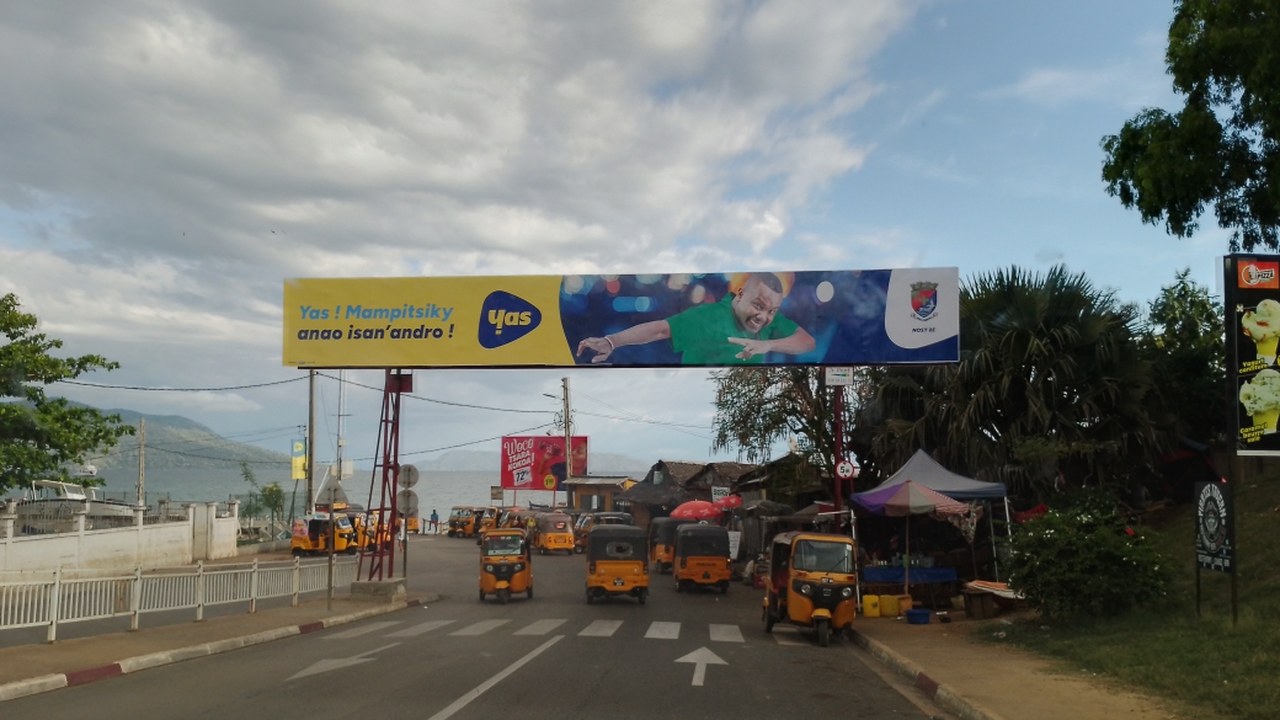
In Antananarivo, Antsirabe, Fianarantsoa, Tulear, Morondava, Toamasina and Nosy Be you can expect usable 3G or 4G in town, with the usual dead corners in thick-walled buildings. Along the RN7 and other main roads, coverage comes and goes. It is normal to lose the signal for long stretches between towns.
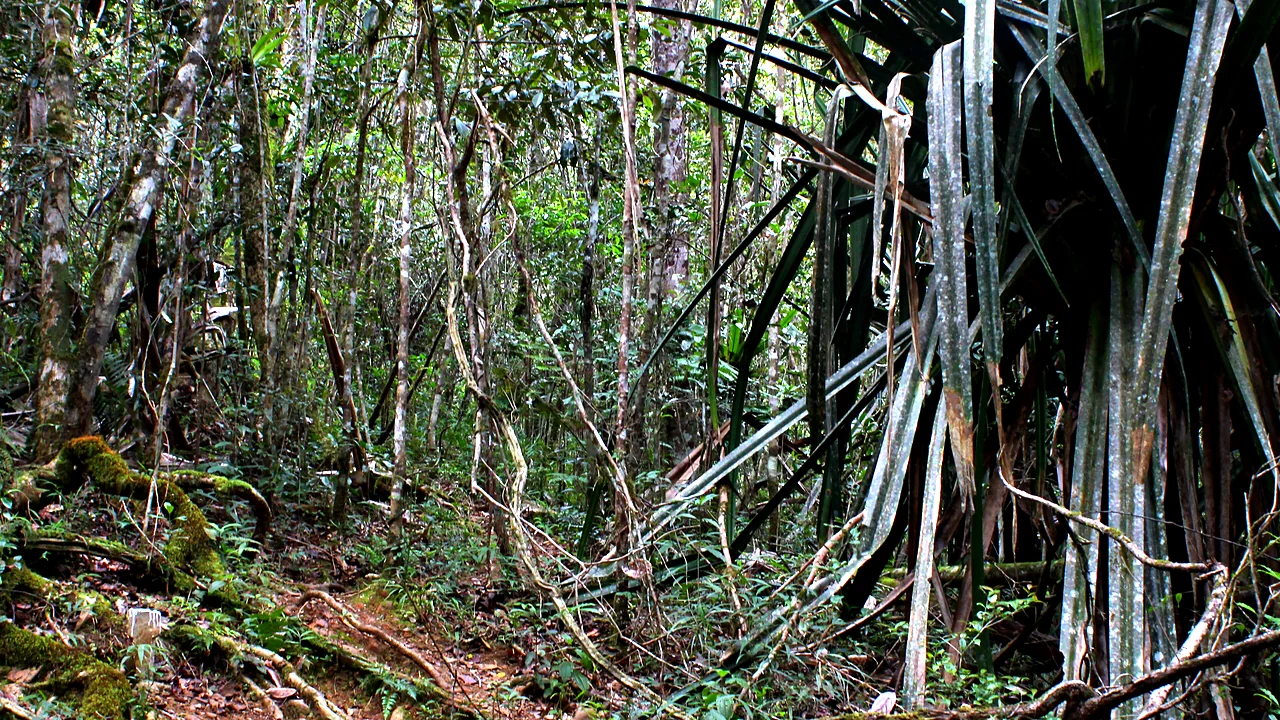
National parks are the weak point. Andasibe, Ranomafana, Isalo, Kirindy and the Tsingy all have lodges or gates with some signal, but trails inside the forest or canyons often have none. That is a safety reason to walk with a park guide and to agree pickup times before you set out, not a reason to skip the park. Download offline maps, offline translation packs and any lodge confirmations before you leave town. The same advice applies on a Madagascar RN7 tour or a west-coast tour.
WhatsApp is the default way many drivers, guides and mid-range lodges exchange messages when the network is up. Install it, confirm your number works, and do not assume that a message sent from a canyon trail has gone through until you see a delivery tick back in town.
Using the Phone on the Road
A local SIM will not solve the practical limits of Madagascar travel. Roads stay slow, and a pin dropped by a lodge can still be hard to follow after dark. A private driver remains the straightforward way to move between parks, and your driver will usually have a better sense of which network is working that week. Share your local number with the driver and the lodge, and keep a written copy of the next day’s meeting time.
Power cuts happen. A small power bank and a cable in your day bag matter more than an extra gigabyte of data. In beach places such as Nosy Be and Sainte-Marie, hotel Wi-Fi may be good enough for calls, but it often slows in the evening. A local card is still useful for maps, ride arrangements and backup.
Alternatives If You Do Not Want a Local SIM
International roaming on a home SIM can work, but it is often expensive and still subject to the same coverage gaps. Check the daily cap before you rely on it. Hotel and cafe Wi-Fi in the cities is usually enough for messages if you are staying put, and some travellers manage a short city stay that way. Once you are on a multi-day road circuit, a local card is simpler.
Pocket Wi-Fi devices are less common as a tourist product than in some Asian destinations. If you travel as a family and want several devices online in towns, a local SIM in a travel router can help, but test it before you leave the shop. For airport Wi-Fi on arrival, treat it as a bonus, not a plan: it can be slow or require a voucher.
Tips and Common Mistakes
Buy the card from an official desk and complete registration properly. A cheap unregistered card is a false saving. Check that your phone is unlocked before you fly, and keep a paper record of the number, the PUK and the pack expiry. Disable background updates while you are on a limited bundle, and download maps while you still have cafe or hotel Wi-Fi in Tana.
Do not expect the card to replace local arrangements. Park entries, night walks and boat transfers are still booked in person or through your operator. If you are landing late and leaving for Andasibe at dawn, buying at the airport is worth the small premium so you are not hunting for a shop at night. For the wider first-day plan, see the Antananarivo airport transfer guide and the two-week itinerary if your route is longer, or a shorter 10-day plan if you are already deciding between circuits.
Finally, be discreet with the phone in busy streets, as you would in any city, and do not stand at the edge of a market filming the registration process or your bank cards. The SIM is a tool for logistics, not something that needs to come out at every stop.
Frequently Asked Questions
Can I buy a Madagascar SIM card at Ivato Airport?
Yes, there are usually operator kiosks in arrivals. Bring your passport and an unlocked phone, and test the data before you leave the counter.
Which network is best: Airtel, Orange or Telma?
It depends on the route. Airtel and Orange are the usual visitor choices in the capital; Telma can be useful in some secondary towns. Ask your driver which network has been reliable that week.
Will I have signal in the national parks?
Often at the lodge or gate, rarely on every trail. Download offline maps and agree meeting times before you walk.
How much should I budget for a tourist SIM?
A planning range of about EUR 10 to 25 covers many short-stay data packs. Check the current bundle and its expiry date at the desk.
Do I need a local SIM if I already have roaming or eSIM?
Not always, but a registered local card is still the most predictable option for WhatsApp with drivers and lodges once you leave the capital.
Get Your Free Custom Madagascar Tour Quote Today!
Tell us your route and dates. We will plan transfers, park days and driver arrangements so you stay reachable where the network allows, and clear meeting times where it does not.
Browse Multi-Day Tours Explore Short Excursions