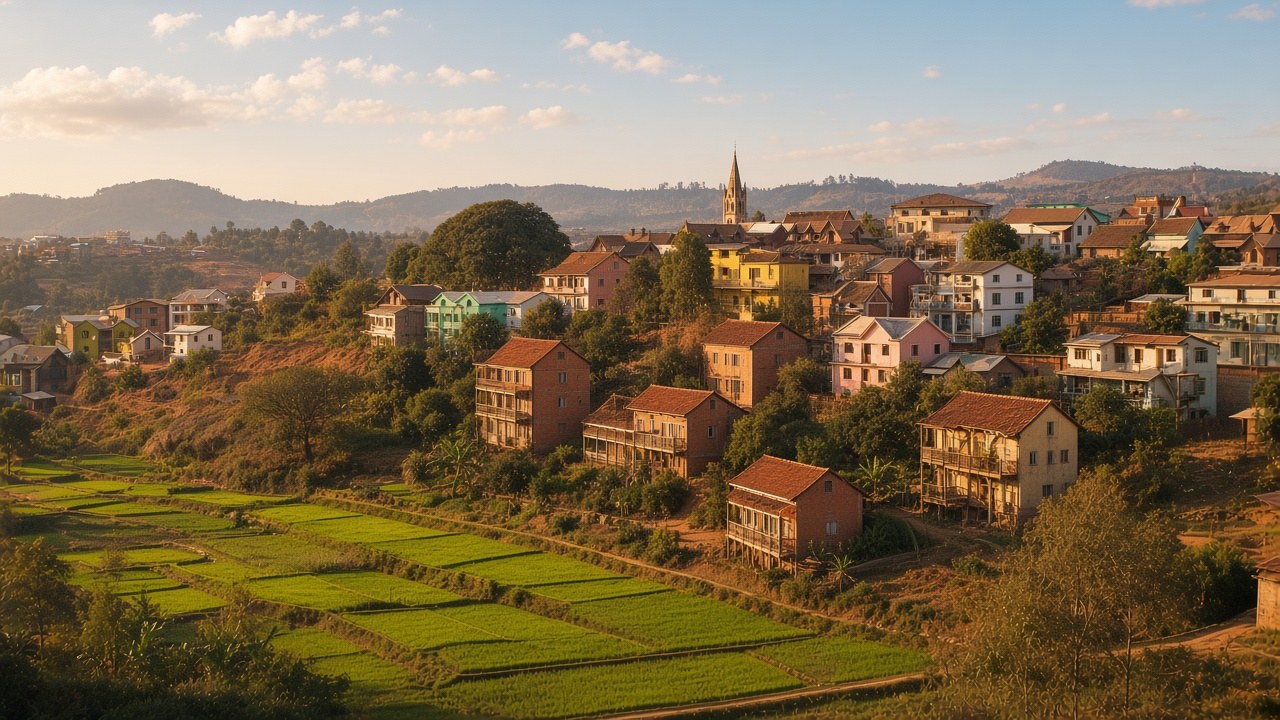
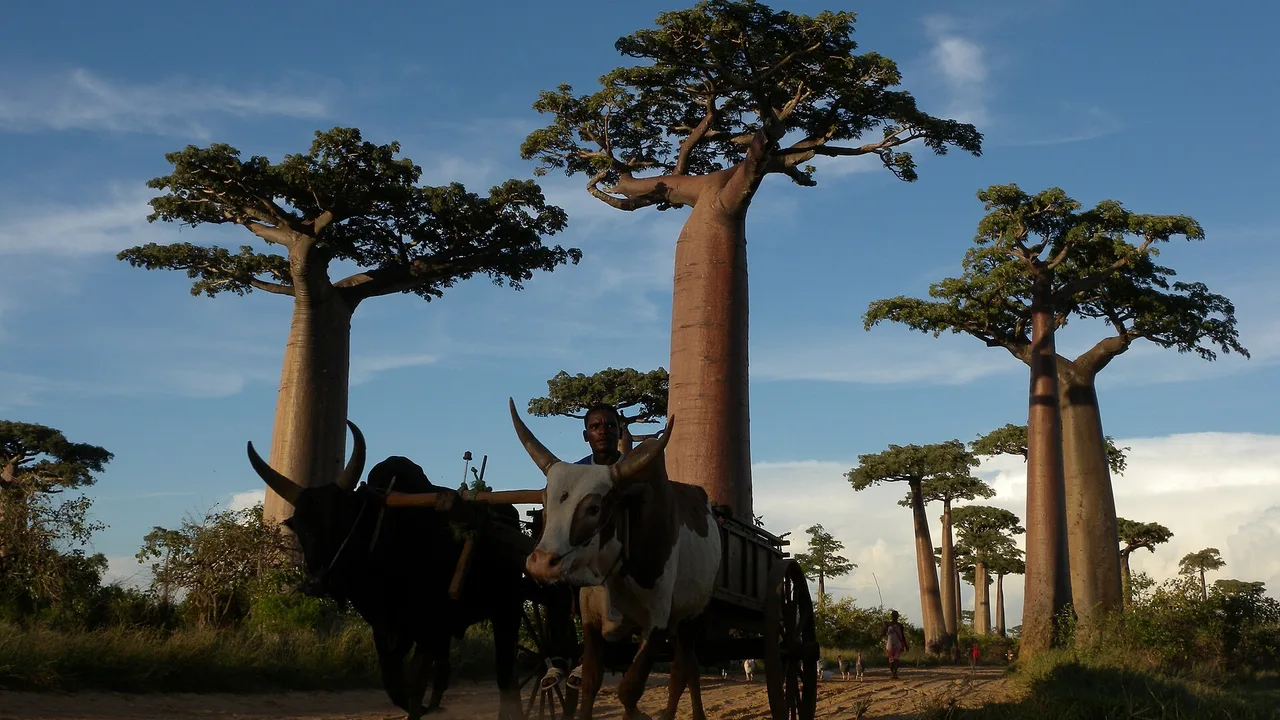
Madagascar is a welcoming country, and most travellers are met with patience. What people notice, and remember, is not whether you know every custom, but whether you greet before you ask, whether you treat tombs and elders with care, and whether you accept that some places have rules you cannot see from the road. A little etiquette goes a long way, especially once you leave the hotel and walk into a village or a market.
This guide is a practical introduction to Madagascar etiquette: greetings, dress, photography, and the idea of fady, the local taboos that change from one region to another. It is not a complete list, because no complete list exists. The useful habit is to ask your guide or driver, and to follow what you are told even when the reason is not explained. Use it with the visit Antananarivo guide for the capital, and with the safety guide for ordinary city caution.
Greetings Come First
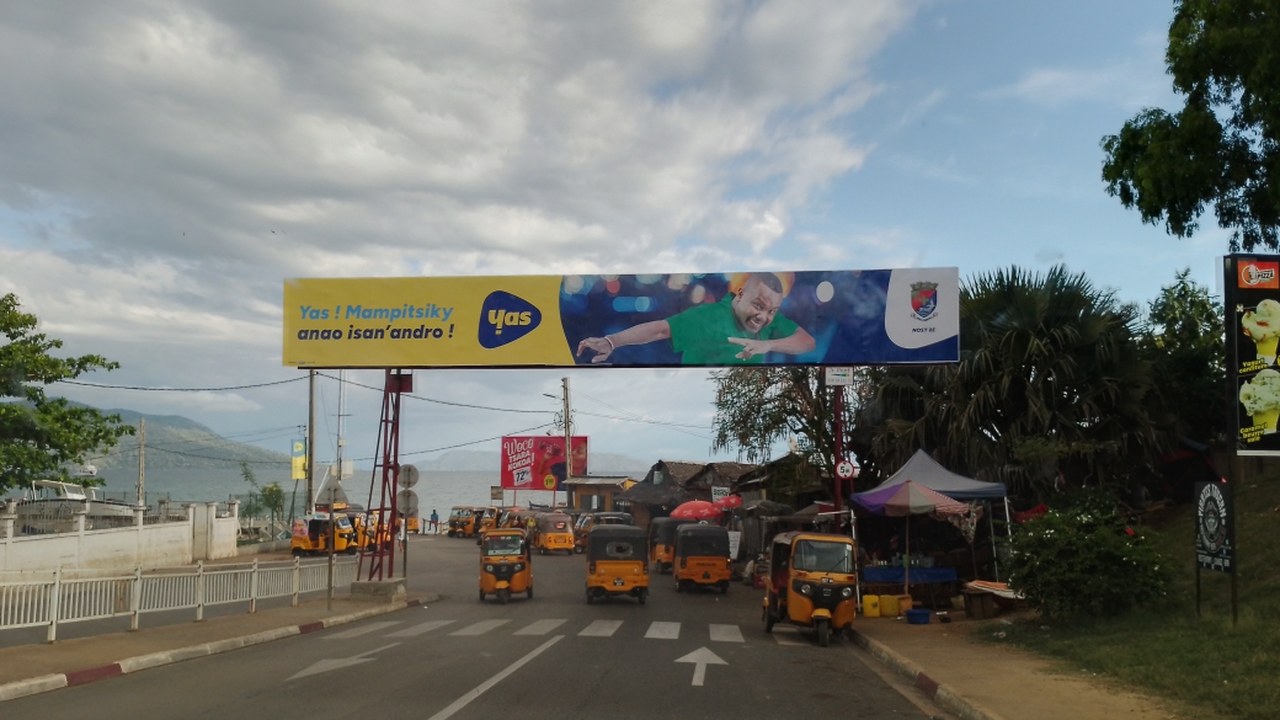
In Madagascar you greet before you transact. Walking into a shop, a lodge reception or a village conversation and starting with a request feels abrupt. A simple salama or manao ahoana (how are you?), followed by a moment to hear the answer, is the right start. Misaotra means thank you; azafady covers both please and excuse me. You do not need fluent Malagasy. Using a few words, and accepting that many conversations will continue in French, is already a mark of respect.
Use your right hand to give or receive money, a plate or a gift. The left hand is considered unclean for that purpose in many communities. When you pass something across a group, or reach in front of someone, a quiet azafady helps. In a home, wait to be shown where to sit, and do not step over people who are seated on a mat if you can walk around them.
A hello at the door of a shop or hotel is not optional decoration. It is the start of the exchange.
Your guide should introduce you, explain any local fady, and check before photographs or a walk near tombs.
Licensed guides are colleagues on the trail. Listen, keep some distance from animals, and do not cut ahead of the group for a photo.
Understanding Fady
Fady are prohibitions that can apply to a place, a family, a day of the week, a food, or a way of pointing or speaking. They are taken seriously. What is fady in one village may be ordinary a few kilometres away, so do not copy a rule from a guidebook and apply it everywhere, and do not argue when a guide says something is not allowed. Common themes include respect for tombs and ancestors, certain animals or trees that should not be touched or eaten, and days when a particular kind of work or travel is avoided.
Never point at a tomb with your finger; if you need to indicate a direction, ask how it is done locally, which is often with a closed hand or the knuckle. Do not walk on or sit on a tomb, and do not treat burial sites as viewpoints. In some areas it is fady to deny a polite offer of food outright; a gentle explanation that you have already eaten, or a small taste, is kinder than a flat no. Remove hats and be quiet at sacred hills such as Ambohimanga, and follow the site rules even if other visitors ignore them.
If you are invited into a house, ask about shoes, and accept that a visit may include a formal greeting to elders before anything else happens. On the road, a private driver who is from the region, or a park guide in places such as Andasibe or Isalo, is the person to ask before you enter a village or a cemetery path.
Dress, Photos and Money
Beachwear belongs on the beach. In highland towns, churches, markets and villages, cover shoulders and avoid very short shorts. A light shirt and a hem below mid-thigh will spare you awkwardness and is more comfortable in the sun anyway. In parks, practical walking clothes are expected; the issue is not fashion, it is not arriving in a sacred or rural place as if you were still at the hotel pool. The packing list is written with this in mind.
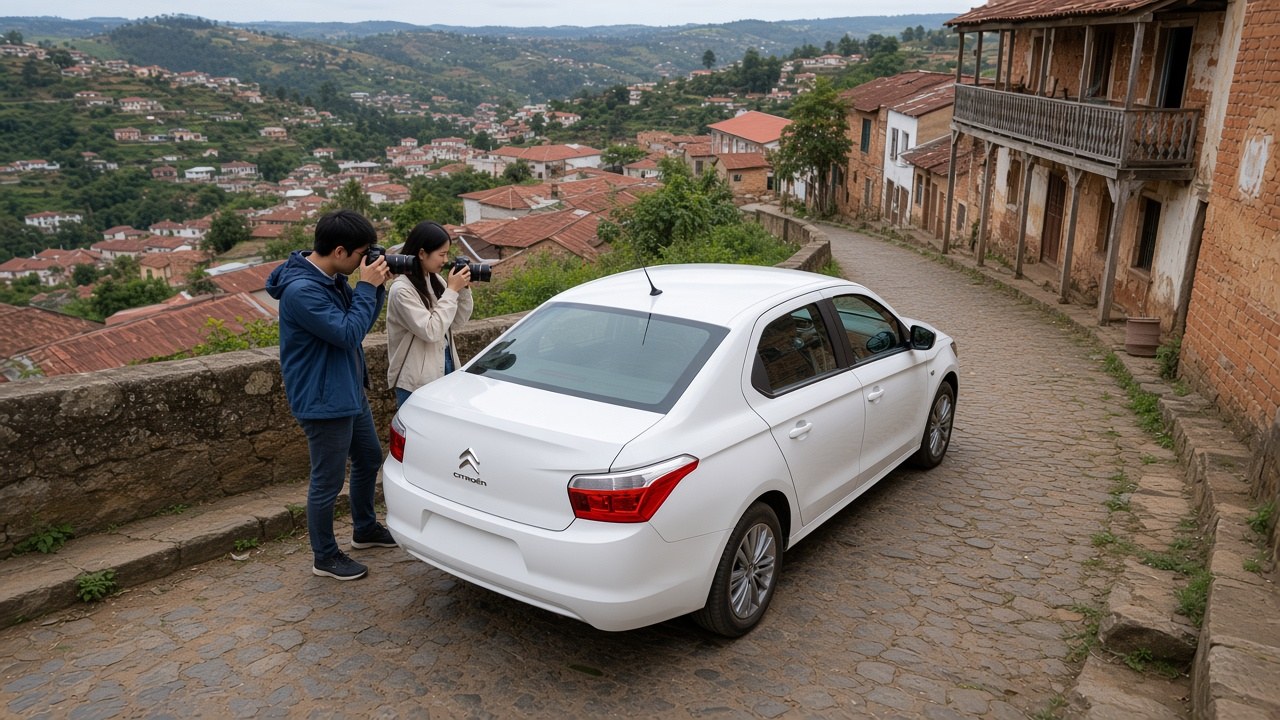
Always ask before you photograph a person, and accept a no without negotiation. Photographing children is especially sensitive. Do not walk into a private compound, a workshop or a tomb area for a picture. In markets, a smile and a question are better than a long lens from the side. Drones are not a casual tool here; many places restrict them, and a drone over a village or a sacred site can cause real offence. If you want a landscape shot, get down from the car and take it with some awareness of who is working in the field you are framing.
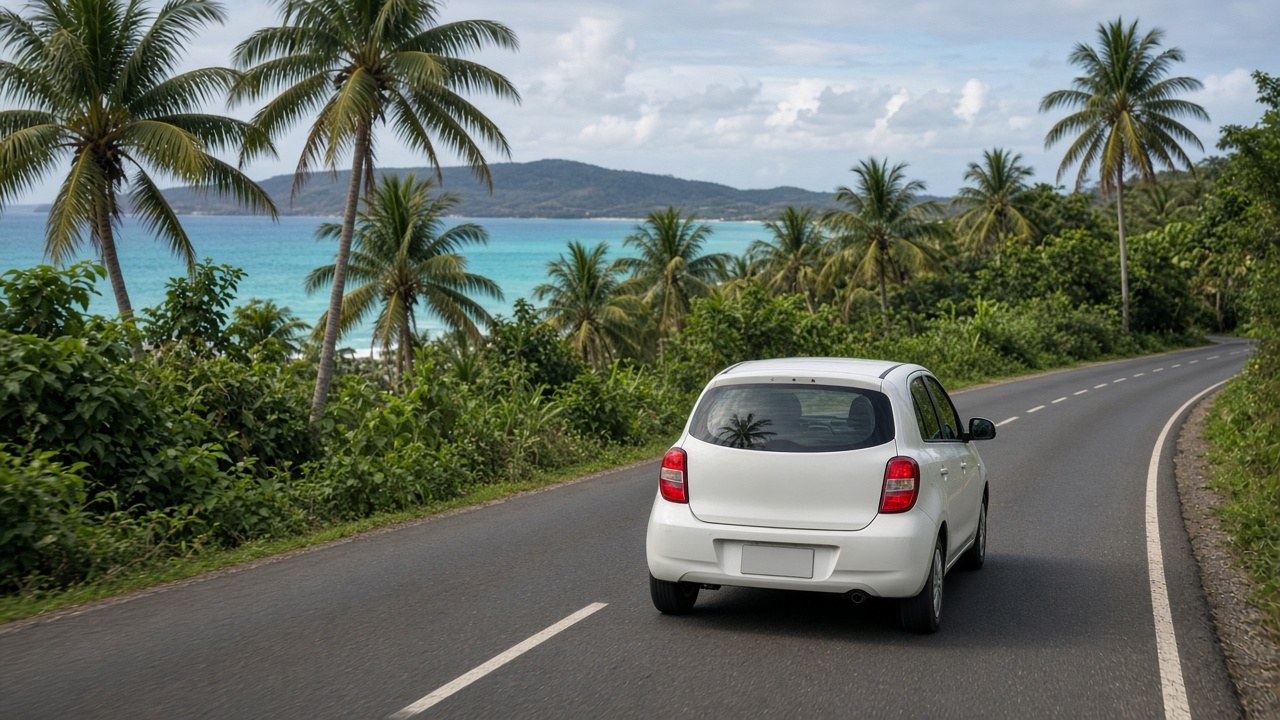
Bargaining exists in markets and for some taxis, but it is a conversation, not a performance. Aggressive haggling, waving large amounts of cash, or showing off expensive equipment in a crowded street is poor manners and poor sense. If you want to give something, useful gifts offered to a school or a community through your lodge or guide are better than handing sweets or money to children, which quickly becomes a habit at the roadside. Tips are not required or expected. Drivers set their own fair prices, but they appreciate a tip, so it is always a nice gesture.
At the Table and in the Lodge
If you are served in a home, wait to be invited to start, and compliment the rice as well as the stew; rice is the centre of the meal, as the food guide explains. Leaving a little food can be read differently in different places, so follow your host. In restaurants, ordinary politeness is enough: do not click fingers, and give the kitchen time, especially after a long road day when you are not the only group that arrived late.
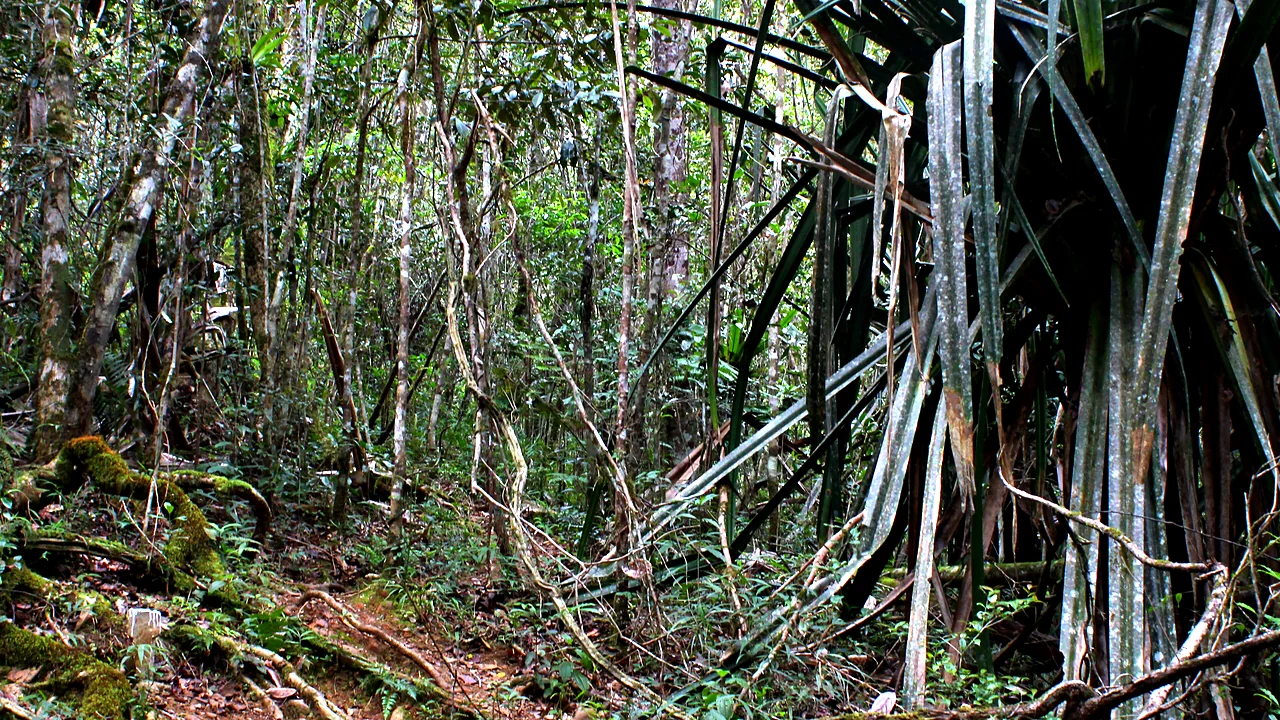
Lodges in park areas are often family-run or small. Greeting staff, keeping noise down after dinner, and being on time for a dawn walk are all part of the same respect. Wildlife is not a stage set. Do not imitate lemur calls to force a reaction, do not feed animals, and keep the group together so the guide is not managing stragglers and the forest at once. Night walks in Andasibe or at Kirindy are quieter and more successful if phones stay dark and voices stay low.
- Travel the parks with a licensed local guide, starting from the Andasibe Indri excursion.
- A private driver can brief you on village stops along the way.
- Or browse multi-day Madagascar tours that already include those introductions.
Religion, Politics and Patience
Christianity and traditional beliefs often sit side by side. Churches are active in many towns; dress modestly if you visit, and do not treat a service as a photo stop. Conversations about family and place are easier than opening with politics or with strong opinions about how the country should be run. Patience is its own form of etiquette. Offices, banks and road checks take time. Raising your voice rarely speeds them up and can embarrass the person who is trying to help you.
French is widely used in administration and tourism; English is common in lodges on the main circuits and less so elsewhere. Starting in Malagasy or French, then moving to English if needed, is more courteous than assuming English from the first word. On a long circuit such as the RN7 tour or a stay around Morondava, you will cross several cultural regions. What was acceptable in the highlands may need a fresh question on the coast, and the other way around.
| Situation | Simple habit |
|---|---|
| Entering a shop, lodge or home | Greet first, then state what you need |
| Giving or receiving an item | Use the right hand |
| Tombs and sacred hills | Do not point, climb or treat them as viewpoints |
| Photographs of people | Ask, and accept a no |
| Village or fady questions | Ask your guide; do not improvise |
Tips and Common Mistakes
The most frequent mistake is skipping the greeting. The second is treating fady as folklore rather than as a living rule. The third is photographing first and asking afterwards. A fourth, more practical one, is arriving in a village with the car radio loud and doors open, as if the place were a viewpoint on the two-week itinerary rather than someone’s home.
If you get something wrong, a brief apology and a change of behaviour are enough. People are not looking for a perfect performance. They are looking for a visitor who is paying attention. That same attention also makes the trip richer: a market in Tana, a highland stop on the way to Ranomafana, or a coastal village near Tulear feels different when you are in a conversation rather than only behind a camera. For a first route, keep time in the schedule for these slower encounters, not only for park gates; short excursions and a considered tour plan should leave a little space for them.
One last note: tip fairly, thank people by name when you can, and do not make promises to send photos or money unless you will actually do it. Small, kept promises travel further than grand ones.
Frequently Asked Questions
Do I need to speak Malagasy?
No, but a few words of greeting and thanks are noticed and appreciated. French is the usual second language in tourism and administration.
What is fady?
Fady are local prohibitions that can involve places, foods, days or gestures. They vary by region, so ask your guide rather than applying one list everywhere.
May I photograph people and villages?
Only with permission. Never photograph tombs casually, and be especially careful with children.
How should I dress away from the beach?
Cover shoulders and avoid very short shorts in towns, villages and sacred sites. Beachwear stays at the beach.
Is it all right to give money or sweets to children?
It is better not to. If you want to help, ask a lodge or guide about a school or community gift instead of handing things out at the roadside.
Get Your Free Custom Madagascar Tour Quote Today!
Tell us where you want to travel. We will match you with drivers and guides who can introduce the local customs as well as the parks, so the trip feels respectful and unhurried.
Browse Multi-Day Tours Explore Short Excursions