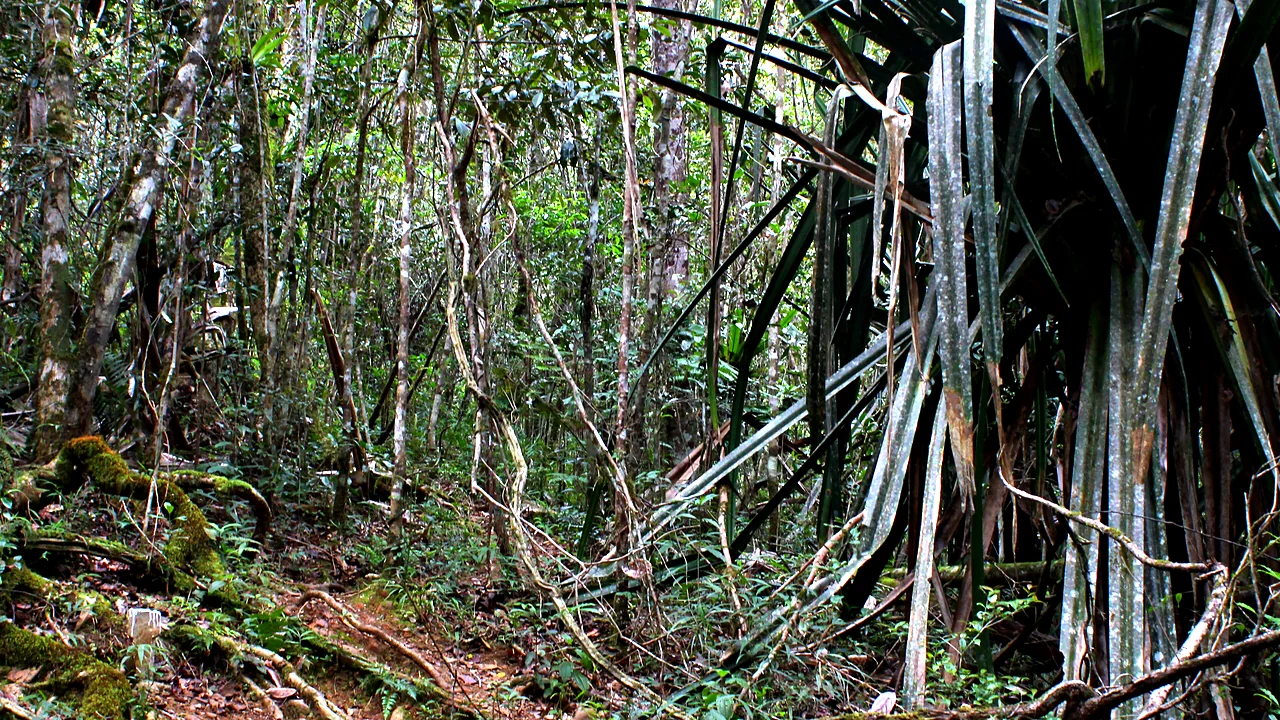
Ankarafantsika is the national park that makes a stop on the northwest road feel like a real wildlife destination rather than a transit night. The forest is dry and open compared with the eastern rainforests, Coquerel’s sifakas move through the trees near the trails, and Lake Ravelobe sits beside the main camp with a reputation for crocodiles and a long local history. Birdwatchers put the park high on a Madagascar list; general travellers remember the sifakas.
The park is usually visited from Mahajanga, or as a night or two on the road between the capital and the northwest coast. This guide explains how to get there, how to plan the walks, and how not to treat the park as a mere break in a long drive. For the wider coast, use the visit Mahajanga guide and the Northwest Madagascar Tour.
What Makes the Park Distinct
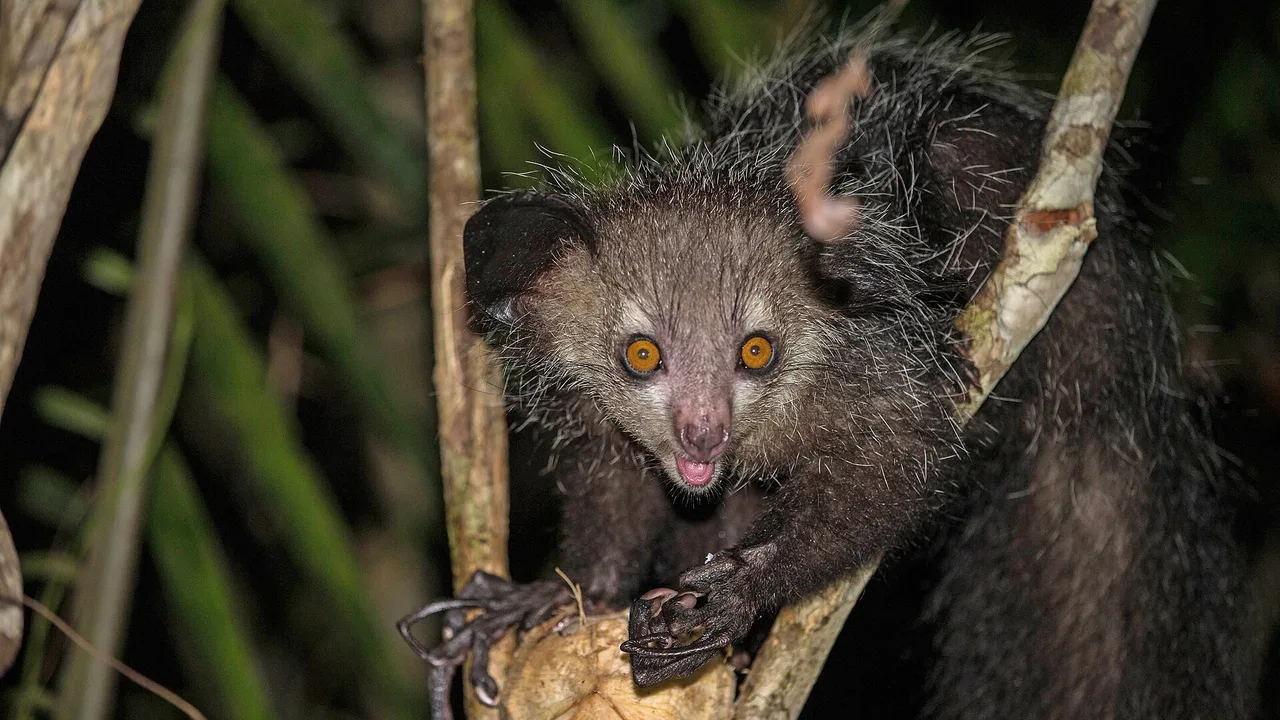
Coquerel’s sifaka is the animal most visitors hope to see, a cream-and-chestnut sifaka that is often reasonably viewable on the circuits around the main camp. Many maps and older references still use the name Ampijoroa for this station, while the nearby village is Andranofasika; in practice you will be directed to the same park entrance. The forest also holds other lemurs, and night walks can add mouse lemurs, sportive lemurs and a different set of sounds after dark. For birders, Ankarafantsika is one of the important western dry-forest sites, with a mix of endemics that justifies an extra morning.
Lake Ravelobe is the other landmark: a forest lake where crocodiles are present, and where swimming is not a casual idea. Some visits include a guided walk or a look across the water; treat the shore with respect and follow the guide. The appeal of the park is this combination of accessible sifaka watching, a compact set of trails, and a northwest location that fits a Mahajanga trip without a second internal flight.
The usual highlight, often seen on morning circuits close to the main camp and trails.
Worth a slower walk, or a specialist guide, if birding is part of the reason you came to Madagascar.
A striking forest lake with crocodiles. Stay on the path and take the local warnings seriously.
How to Get There
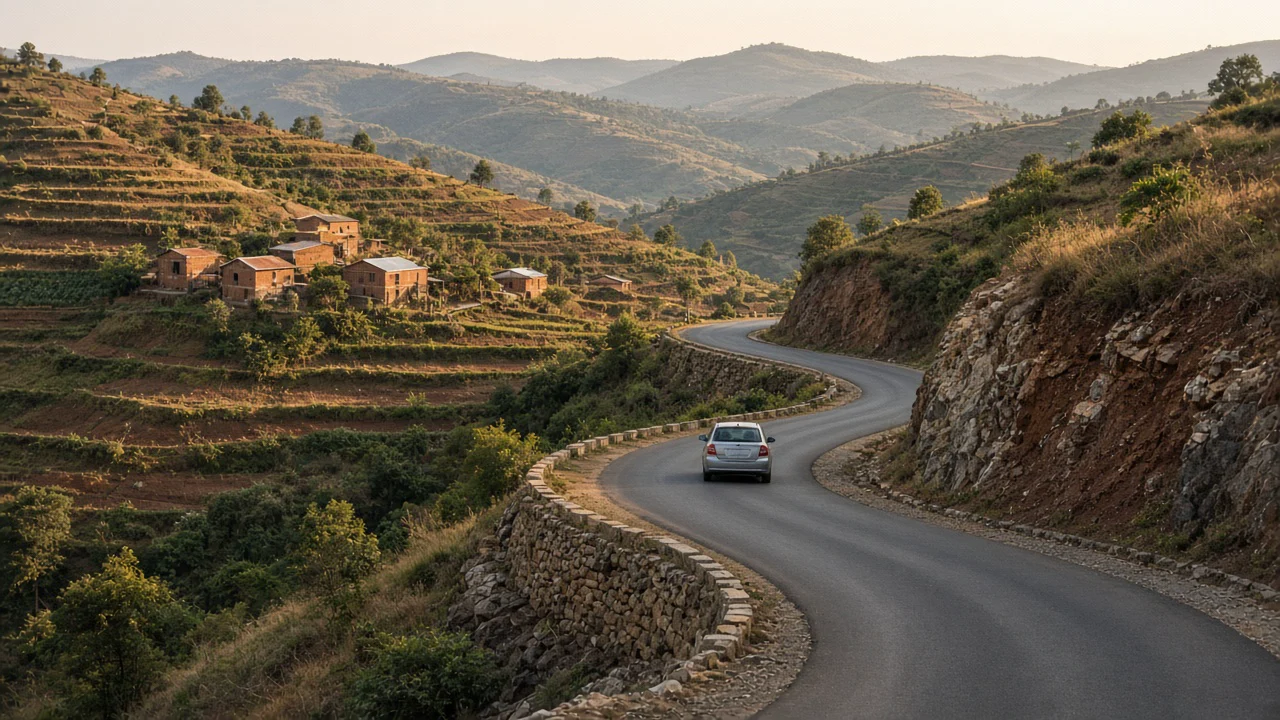
Andranofasika, the usual base for the park, lies on the RN4 between Antananarivo and Mahajanga. From Mahajanga the drive is often around two hours, which makes a day trip possible and an overnight stay more comfortable. From Tana it is a long road day; if you are coming from the capital, plan to arrive in the afternoon, walk the next morning, and only then continue to the coast, or fly to Mahajanga and drive out. The Ankarafantsika National Park excursion and the Mahajanga airport transfer are the usual pieces.
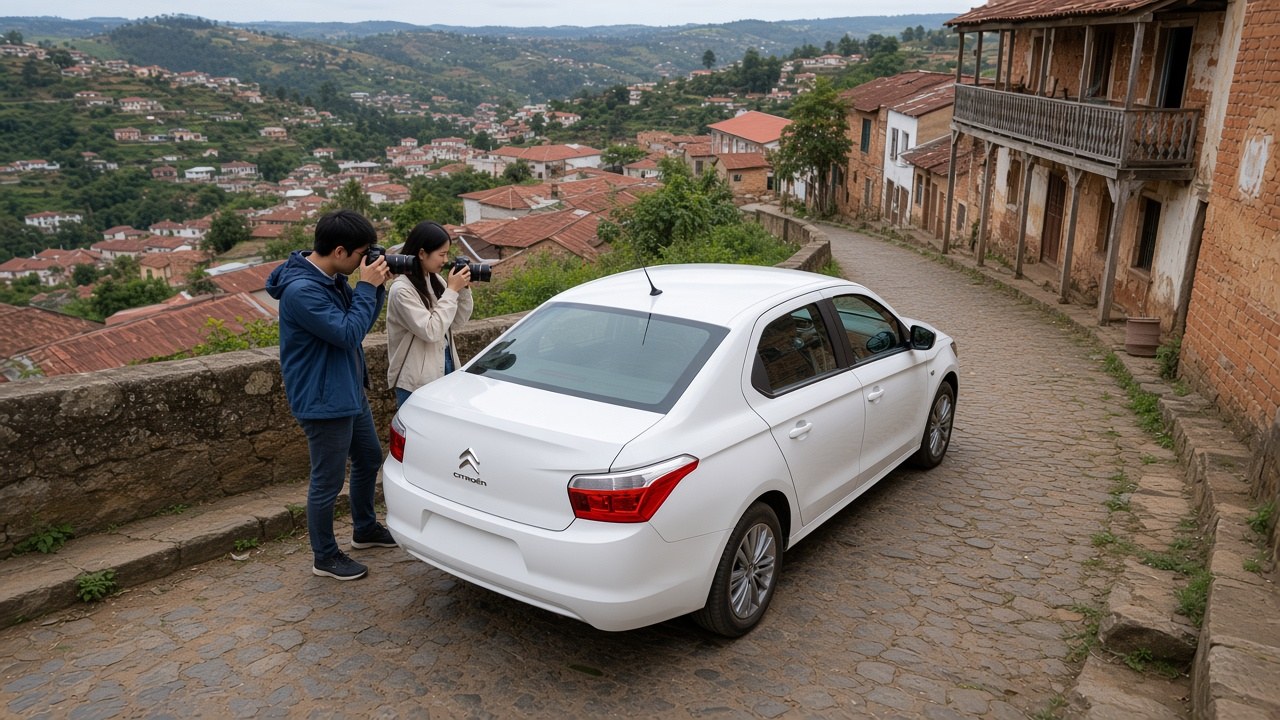
A private driver is the straightforward way to do this, either as a return from Mahajanga or as part of a northwest road plan. Self-drive is possible on this relatively major road, but a driver still helps with park timings and the return after a night walk. See private drivers and Mahajanga private drivers if you are building the days yourself.
Walks, Season and Pace
One full day and a night walk is the minimum that does the park justice. Two nights allow a second morning for birds or for a slower sifaka circuit if the first is crowded. Trails near the camp are the usual starting point; longer circuits exist if you want more forest. Official guides are required, and the official guide and entry pass is how that is arranged. Tell the guide whether you care more about sifakas, birds or a quieter path.
The dry season is the most practical period: easier roads, a more open understorey, and heat that still demands early starts. The wetter months are greener and can be excellent for birds, with a higher chance of heavy rain and muddy trails. For a countrywide view, use the best time to visit Madagascar. Carry water, a hat, and a torch for the night walk; the packing list applies as it does in other dry western forests.
- Book the Ankarafantsika excursion.
- Travel it as part of the Northwest Madagascar Tour.
- Or compare wildlife routes on the Wildlife Expedition Tour.
Where to Stay and What It Costs
Staying at or beside the park means you can walk at dusk and dawn without a two-hour drive in each direction. Facilities are simpler than a seafront hotel in Mahajanga, which is a fair trade if wildlife is the point. If you need a more comfortable bed, sleep in Mahajanga and visit as a very long day, or split the stay. See Mahajanga accommodations for the coast, and ask for a park-side bungalow when you book the forest night.
Entry and a guide often sit in a planning range of about EUR 20 to 50 per person per day, with night walks sometimes extra. Simple park accommodation can be modest, often in a range of about EUR 30 to 100 a night; better lodges in the area or in Mahajanga cost more. The transfer from town should be included in a driver quote. For a sense of the wider budget, see Madagascar travel costs.
| Item | Typical planning range |
|---|---|
| Park entry and guide, per person per day | About EUR 20 to 50 |
| Simple park or nearby lodge, per night | About EUR 30 to 100 |
| Drive from Mahajanga | Often around two hours each way |
| Recommended stay | One night minimum, two if you are birding or travelling slowly |
Tips and Common Mistakes
The main mistake is arriving at midday, walking for an hour, and continuing to the coast the same afternoon. You will see the lake and perhaps a sifaka, and you will miss the best light and the night walk. The second is ignoring the crocodile warnings at Lake Ravelobe. The third is treating Ankarafantsika as a lesser substitute for Andasibe; it is a different forest, with different species, and it belongs on a northwest itinerary rather than as a comparison score.
If lemurs are your wider theme, read the lemurs guide and place this park alongside Kirindy and the east rather than instead of them. A first trip that already includes the RN7 or the west around Morondava may not have room for Mahajanga as well; in that case, save Ankarafantsika for a later, northern or northwest journey, as a two-week itinerary already has enough to do. If the northwest is your chosen circuit, the park should be a headline, not an afterthought.
Bring binoculars if you have them, even as a non-birder; sifakas in tall dry-forest trees are more satisfying with a closer view. Keep voices down near the camp, where animals sometimes pass, and agree the night-walk time before dinner so you are not negotiating in the dark.
How Ankarafantsika Fits a Northwest Journey
The park is at its best when Mahajanga is already on the itinerary: a coast stay, perhaps a trip to the Cirque Rouge or a boat on the bombetoka area, and Ankarafantsika as the wildlife stay inland. It is less successful as a surprise extra on a tour that is already committed to Andasibe, Ranomafana and the west. Those parks are excellent, and they are also in another part of the country. Choose the northwest as a circuit, then give this forest enough nights to justify the flight or the RN4 drive.
Birders should say so when they book, because a general walking guide and a birding pace are not the same thing. A specialist morning can be arranged more easily if it is requested early, and the Madagascar Birdwatching Tour is the wider version of that interest. Photographers will want the first hour after dawn and the last before dusk, which is another argument against a day trip from town. If you are travelling with children, the sifakas and a short night walk can work well, provided you keep the heat in mind and do not promise a sighting; the family notes in the Madagascar with kids guide still apply.
Ampijoroa has a research and conservation history as well as a tourist function. Stay on trails, keep some distance from the sifakas, and do not offer food. The forest is accessible, which is a privilege, not an invitation to treat the camp as a viewing enclosure. If you have time in Mahajanga afterwards, use it to rest and to eat well on the coast, not to pack in a second long excursion the same day you leave the park.
Frequently Asked Questions
How far is Ankarafantsika from Mahajanga?
The drive is often around two hours, which makes an overnight at the park much better than a long day trip.
Will I see Coquerel’s sifakas?
They are regularly seen on the main circuits, especially in the morning, but no walk is a guarantee. A licensed guide greatly improves your chances.
Is it safe to swim in Lake Ravelobe?
No. Crocodiles live in the lake. Stay on the path and follow your guide’s instructions at the shore.
How many nights should I stay?
One night is the useful minimum; two nights suit birders and anyone who wants a second early walk.
Can I visit on the way from Antananarivo?
Yes, if you treat it as an overnight, not as a short pause in a single marathon drive between Tana and Mahajanga.
Get Your Free Custom Madagascar Tour Quote Today!
Tell us whether you are coming from Mahajanga or overland from the capital. We will plan Ankarafantsika with enough nights for sifakas, a night walk and a realistic road schedule.
Browse Multi-Day Tours Explore Short Excursions