In Madagascar, a meal is not complete without rice. Houses, roadside tables and hotel restaurants all treat vary as the centre of the plate, with a stew, grilled meat or a few pieces of fish as the accompaniment rather than the other way around. Once you understand that, the rest of the food culture is easier to enjoy: generous, seasonal, and more interesting than the thin idea of “rice and sauce” that some travellers arrive with.
This Madagascar food guide covers the dishes you will actually see, the difference between highland and coastal cooking, what to snack on in a market, and how to eat safely without turning every lunch into a worry. It is written for visitors on a park circuit or an island stay, not as a restaurant directory. Pair it with the travel costs guide if you are budgeting daily meals, and with the visit Antananarivo page if your first tastes will be in the capital.
The Everyday Plate
Breakfast is often light by European hotel standards unless you are in a lodge that serves a buffet: bread, coffee or tea, sometimes mofo gasy, a slightly sweet rice-flour cake cooked in small moulds and sold in the morning on the street. Lunch and dinner are the serious meals. A standard plate is a mound of white rice with a bowl of broth or stew, a few vegetables, and perhaps a fried egg or a piece of zebu, chicken or fish. In simple places you may be asked what meat or fish you want and the rest appears as a matter of course.
Romazava is the dish most visitors learn first: a light meat stew with leafy greens, often brèdes, that tastes clean rather than heavy. Ravitoto is richer, made from pounded cassava leaves, usually with pork and sometimes coconut. Zebu, the local humped cattle, appears as stews, grilled skewers or a tough but flavourful steak in tourist restaurants. On the coast, grilled fish, squid and prawns take the lead, often with coconut milk. Lasary, a sharp vegetable relish of carrot, cabbage or green beans, cuts through the rice and is worth asking for.
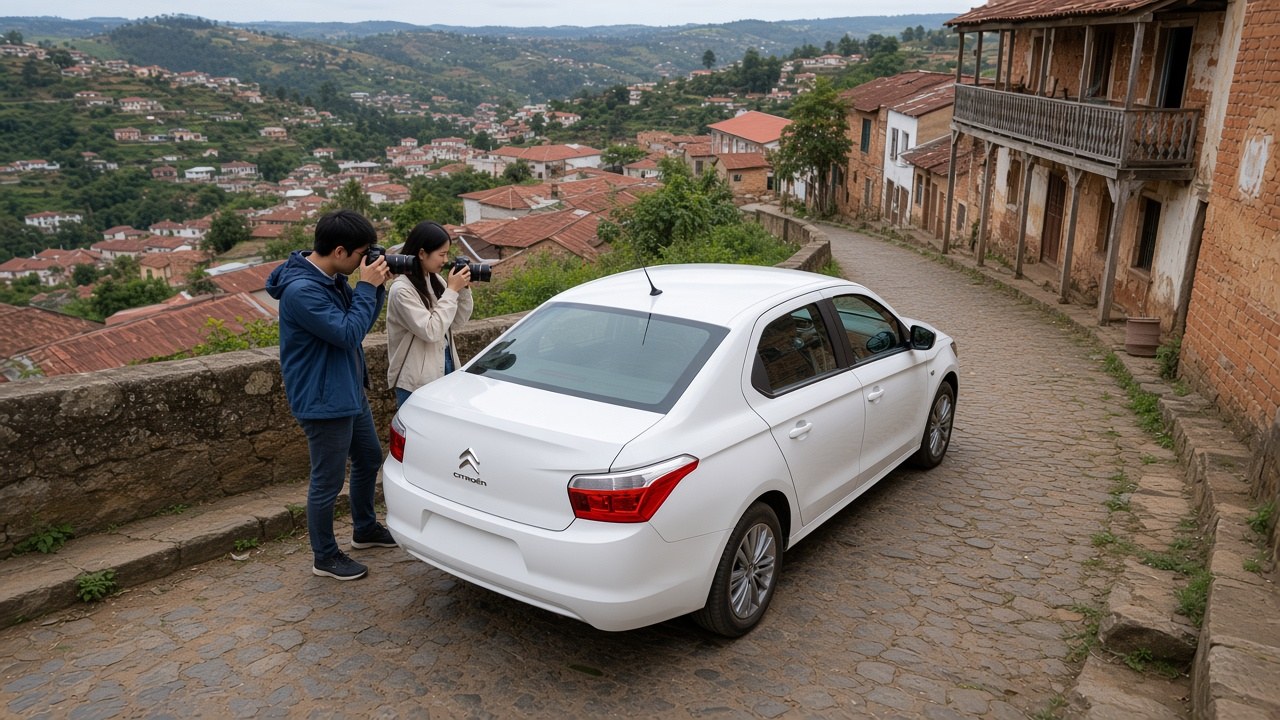
Romazava, ravitoto and market snacks around Antananarivo, Antsirabe and Fianarantsoa.
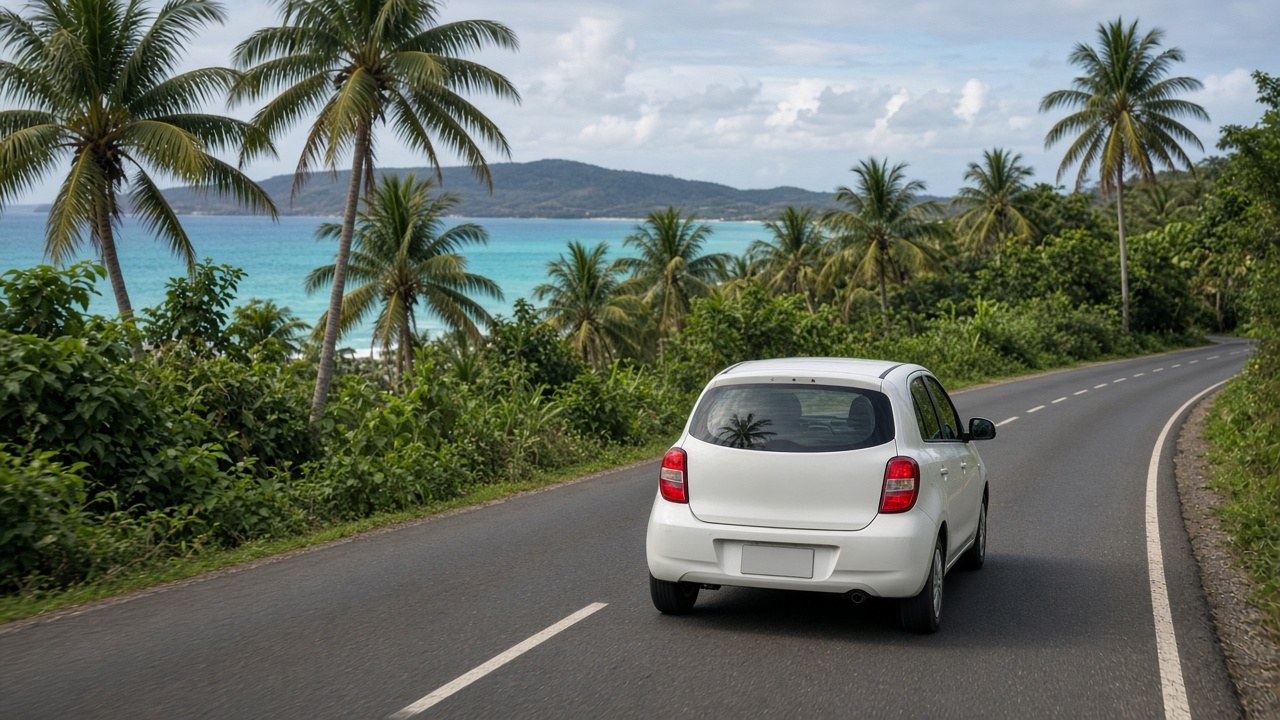
Richer coconut sauces, tropical fruit and simple grilled meat after long road days.
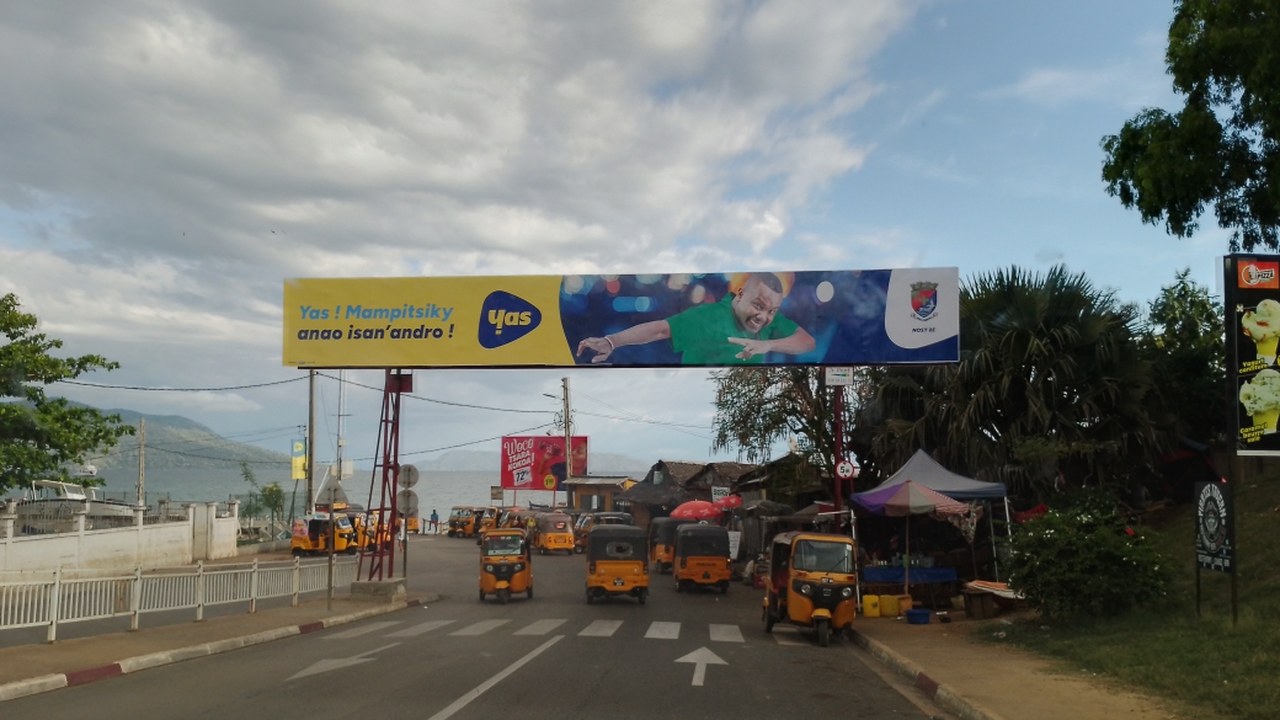
Grilled reef fish, prawns and coconut dishes on Nosy Be, Sainte-Marie and the Tulear coast.
Dishes and Snacks Worth Looking For
Beyond the two famous stews, you will meet henakisoa sy voanio (pork with coconut), chicken in ginger or tomato sauces, and akoho sy voanio when coconut and chicken share a pot. In the highlands, look for ravitoto on a menu or as a daily special rather than only in a tourist “Malagasy evening.” Zebu brochettes at a simple grill can be a better dinner than an international burger in the same town. Taste, not presentation, is the point.
Street and market snacks are part of the day if you use ordinary care. Mofo gasy in the morning, samosas or nem (fried spring rolls), banana fritters, and roasted peanuts all appear along the RN7 and in city markets. Fresh fruit is excellent in season: mango, lychee, pineapple, banana and papaya, depending on the month and the region. Vanilla, pepper and cacao are gifts more than meal ingredients, especially on the northeast coast around Sambava and on islands that still grow ylang-ylang and spices, such as Nosy Be.
Do not expect every lodge on a park circuit to serve a wide Malagasy menu. Many do one or two local dishes well and fill the rest with grilled fish, pasta or a French-leaning sauce. That mix is normal. If a particular stew is what you want, ask at lunch whether it will be cooked that evening; small kitchens work to the day’s market, not to an always-available list.
Drinks, Markets and Hotel Meals
THB, Three Horses Beer, is the lager you will see most often. Fresh fruit juices in tourist hotels are usually good; in small stands, prefer juice you see pressed, and be cautious with ice if you are sensitive. Rhum arrangé, rum steeped with fruit or spices, appears after dinner in many lodges and is easy to enjoy in small glasses. Ranon’apango or ranovola, the toasted-rice water poured from the pot, is the traditional table drink in some homes and simple restaurants. It is worth tasting once. Bottled water is the everyday drink for visitors; keep a supply in the car on long days.
Markets are where you understand how the country eats: sacks of rice, piles of greens, dried fish, and stalls of fritters. In Antananarivo a guided market visit is more relaxing than wandering with a camera in someone’s way. Along the RN7, a bakery stop in a highland town can be a better pause than another fuel-station snack. In Tulear and Morondava, seafood restaurants near the water are the obvious treat after a dusty arrival; agree prices on grilled platters if the menu is vague. For a town day in the capital, the Ambohimanga excursion pairs well with a proper sit-down lunch rather than a rushed snack.
- A private driver makes market and lunch stops easy to time.
- Park-and-lodge days sit naturally on the Madagascar RN7 Tour.
- Coastal seafood nights fit the Island Escape Tour or a stay near Tulear.
What Meals Typically Cost
Simple local restaurants often serve a filling rice plate in a range of about EUR 3 to 8. Tourist-facing restaurants and park lodges more often charge about EUR 8 to 20 for lunch and EUR 12 to 30 for dinner, with seafood, wine or a more formal hotel dining room above that. Breakfast may be included in the room rate; if not, budget a few euros to EUR 10. A couple on a mid-range circuit might spend about EUR 25 to 60 a day on meals if lunches are simple and dinners are at the lodge, more if they add drinks and nicer seafood nights.
Cash in ariary is still useful for small restaurants and market snacks. Lodge meals can often go on the bill. Prices in remote parks are higher because almost everything has been brought in. That is not a tourist trap so much as a fact of the supply chain; it is one reason the costs guide treats food as a flexible but real line in the budget.
| Item | Typical planning range |
|---|---|
| Simple local rice plate | About EUR 3 to 8 |
| Lunch in a tourist restaurant or lodge | About EUR 8 to 20 |
| Dinner at a mid-range lodge | About EUR 12 to 30 |
| Seafood platter or nicer coastal dinner | Often EUR 20 to 40 or more |
Eating Safely, and Eating as a Vegetarian
The usual travel rules apply. Drink sealed bottled or properly treated water, including ice if you are cautious. Choose busy stalls where food is cooked to order and served hot. Peel fruit yourself. Be more careful with raw salads and with seafood that has sat warm in the afternoon. This is prudence, not a reason to avoid local food. Many travellers eat market snacks and simple restaurants throughout a two-week trip without trouble; a sudden change of diet plus heat is as often the problem as a single plate.
If you have a serious allergy, carry a translation card and say so early in lodges, because kitchens are small and dishes share pots and oil. Vegetarian visitors can eat well if they are clear and polite: rice, vegetables, eggs, peanut sauces, and grilled fish if fish is acceptable. Strict vegan food is harder in small towns, where stews may be cooked with meat stock. Beach hotels and larger lodges in places such as Nosy Be and Andasibe are usually more flexible if you tell them the night before. Pack a few familiar snacks for long drives, as the packing list suggests.
Tips for Eating Well on a Park Circuit
Do not save every interesting meal for the evenings. A good lunch in a highland town can be the best plate of the day, and you will arrive at the lodge less hungry and less tempted by the most expensive item on a short menu. Carry nuts or biscuits in the car; distances between decent restaurants are long on the way to Isalo or Morondava.
Learn a few words of thanks and the names of two or three dishes you already like. It changes the way a small restaurant looks after you. Be open to the daily special, and be equally ready for a plain grilled fish after a dusty road. If you are travelling with children, see the notes in the wider trip-planning guides and ask for sauces on the side. For a first route that passes through both highland kitchens and a coastal table, the RN7 tour or a shorter mix of Andasibe and the west will show you more of the food than a single beach week, though the beach week may taste better at dinner.
A last small habit: wash or sanitise your hands before market snacks, and keep one favourite cafe or hotel restaurant in Tana for the night before you fly, when you may not want to experiment. The safety guide is about more than food, but the same calm attention in busy streets applies when you are carrying fruit or leaving a restaurant after dark.
Frequently Asked Questions
What is the most typical Malagasy dish?
Rice with a stew such as romazava is the everyday pattern. Ravitoto is the richer dish many visitors remember.
Is the food very spicy?
Not usually as a default. Heat often comes from a side chilli relish, which you can add or leave.
Can vegetarians eat well in Madagascar?
Yes in lodges and towns if you explain what you do not eat. In small road restaurants, choices narrow, and hidden meat stock is possible.
Is street food safe?
It can be, if you choose busy stalls, eat food cooked fresh and keep the usual care with water and unpeeled fruit. Start gently in the first days.
How much should I budget for meals?
A mid-range traveller often spends about EUR 25 to 60 per person per day on meals, less with simple lunches and more with seafood dinners and drinks.
Get Your Free Custom Madagascar Tour Quote Today!
Tell us how you like to travel and eat. We will pace the road days so there is time for market stops, lodge dinners and a proper coastal meal, not only a packed park schedule.
Browse Multi-Day Tours Explore Short Excursions