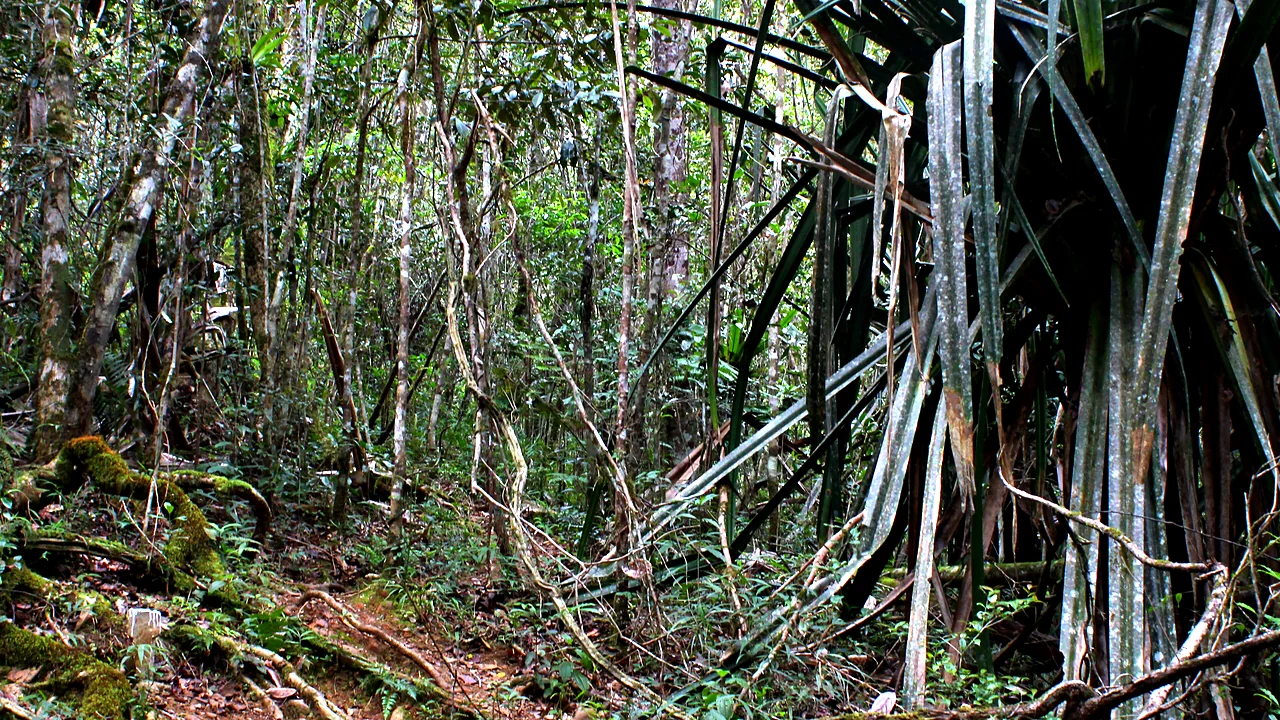
Kirindy does not look like the rainforests of Andasibe. It is a dry deciduous forest of thin trunks, leaf litter and, in the dry season, a bare canopy that makes animals easier to see. People come here for night walks, for the giant jumping rat, and for the possibility of a fossa, Madagascar’s largest carnivore, moving through the camp or along a track after dark.
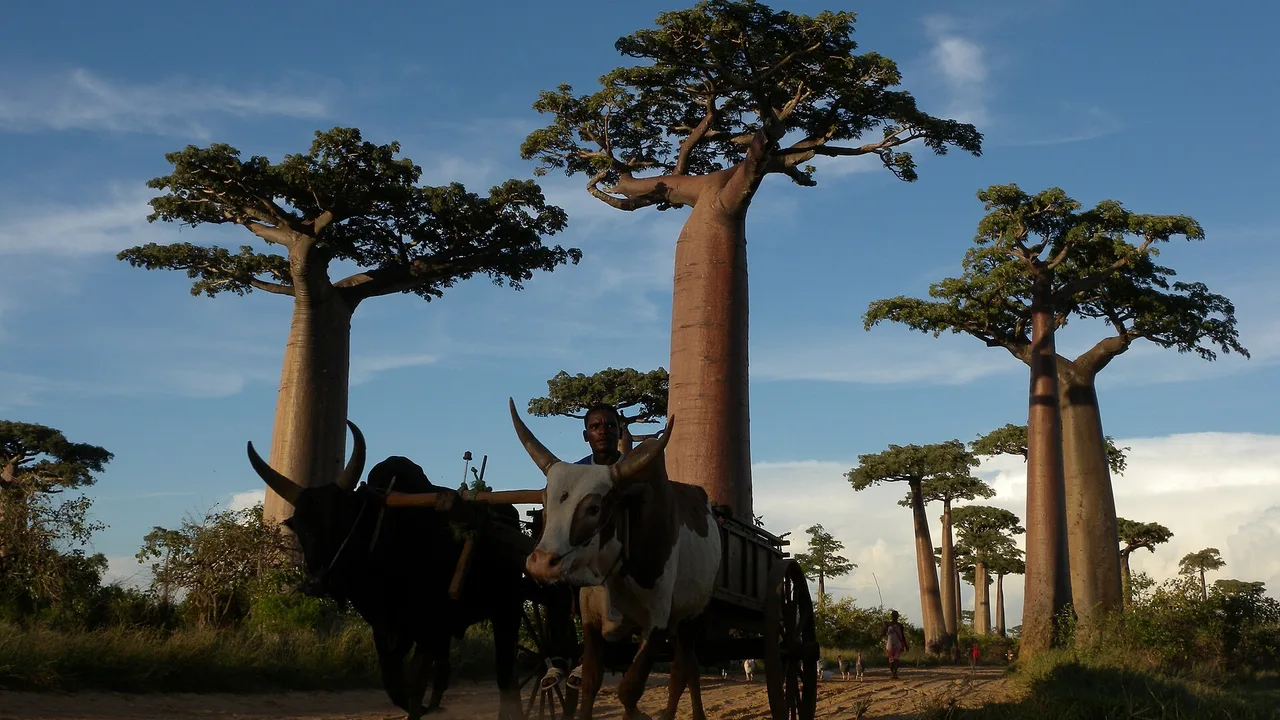
The forest sits north of Morondava, close enough to combine with the Avenue of the Baobabs in a short western stay. It is not a zoo, and a fossa is never a guarantee, but Kirindy is one of the most realistic places on a standard circuit to try. This guide covers how to visit, when the forest is at its best, and how to leave enough time. For the wider western plan, use the visit Morondava guide and the Avenue of the Baobabs page.
Why Kirindy Is Worth a Night
By day, you walk with a guide for brown lemurs, sifakas when they are in the area, reptiles and the shape of the dry forest itself. The distinctive visits, though, start at dusk. Night walks can produce mouse lemurs, including the tiny Madame Berthe’s mouse lemur, which is associated with this forest, as well as sportive lemurs, sleeping birds and, with luck, the giant jumping rat as it leaves its burrow. Fossas are more often seen around the dry months, sometimes close to camp, especially when they are more active and visible in the latter part of the year.
None of this works as a hurried stop between a late lunch and a sunset at the baobabs. You need at least one night on site, preferably two if the fossa is a priority. A day trip from Morondava can include a walk and a look at the forest, but you will miss the reason most naturalists come.
Lemurs, birds and an open understorey that is easier to watch than a wet eastern rainforest.
Mouse lemurs, jumping rats and the chance of a fossa, if you stay overnight and walk quietly.
The Avenue of the Baobabs is on the same road system; Bekopaka and the Tsingy need extra nights.
How to Get There
Kirindy lies on the track that runs north from Morondava towards Belo-sur-Tsiribihina and, eventually, the Tsingy de Bemaraha. In the dry season the drive from town is often in the range of a couple of hours, on sand and laterite that can still be slow. In the wet months the same road can take much longer or become a poor idea. A 4×4 with a driver who knows the track is the sensible way to go. The Morondava multi-day 4×4 driver and the Kirindy Reserve excursion are the usual arrangements.
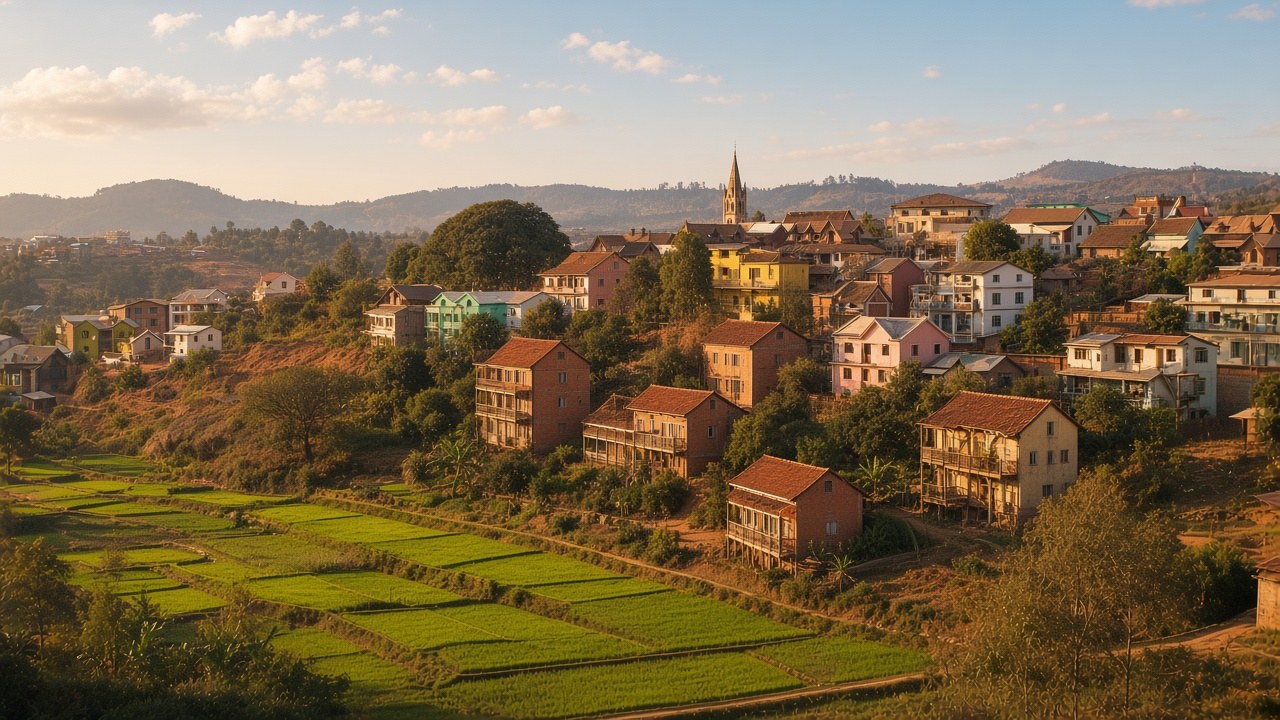
Most visitors fly into Morondava and start west from there. The Morondava airport transfer page covers the airport; you can travel onwards to Kirindy the same day if you land early enough, or spend a night in town and go north in the morning, with a baobab stop on the way. Do not plan a tight same-day international connection after a dawn walk in the forest.
When to Visit
The dry season, roughly April or May to November, is the practical window for the road and for visibility in a leafless or thinning forest. Nights can be surprisingly cool; days are hot and dusty. Many naturalists talk about the later dry months, often from around October, as a stronger period for fossa activity near camp, but this is a tendency, not a schedule. You can have a blank night in a good month, and a lucky one earlier.
The wet season makes the forest greener and the road less reliable. If your Madagascar dates fall in the rains, ask for a current road report before you lock in Kirindy, and have a baobab-centred plan near Morondava as a fallback. The best time to visit Madagascar sets the seasonal context for the whole west.
- Book the Kirindy Reserve excursion with an overnight.
- Add sunset or sunrise at the Avenue of the Baobabs.
- Or travel the wider Madagascar West Tour and keep a night in the forest.
What a Stay Looks Like
Arrive with time to settle before the afternoon walk. The basic pattern is a late-afternoon circuit, dinner, a night walk, and an early morning walk before the heat. Guides will set a pace that favours looking and listening over covering ground. Bring a good torch, spare batteries, and quiet shoes; insect repellent and a light long-sleeved layer help at night. The packing list covers the rest.
Facilities at the forest camp are simpler than a beach hotel in Nosy Be or a mid-range lodge in town. That is part of the point, but it surprises some visitors. Expect basic bungalows, limited electricity, and a set meal. If you need more comfort, sleep in Morondava and accept that you will miss the best hours, or choose a slightly higher standard if a better camp option is available on your dates. See Morondava accommodations for town stays before or after.
If you are continuing to the Tsingy, Kirindy is a logical first night on the northward road, but only if you still have enough nights for Bekopaka. The Tsingy de Bemaraha guide explains why that park should not be treated as a day trip. For lemur context across the country, use the lemurs guide.
Costs and How Long to Stay
One night is the minimum that makes sense; two nights give you a second evening if the first is quiet. Park or reserve entry and a night-walk guide are a normal daily cost, often in a planning range of about EUR 20 to 50 per person, with night walks sometimes charged separately. Simple forest accommodation is usually lower than Morondava’s better hotels, but you are paying for position, not for luxury. The 4×4 and driver from town should be budgeted as part of the west-coast transport, not as a small extra.
| Item | Typical planning range |
|---|---|
| Entry and guided walks, per person per day | About EUR 20 to 50, plus any night-walk fee |
| Simple forest camp, per night | Often about EUR 30 to 90 |
| 4×4 return or onward transfer from Morondava | Best quoted as part of a multi-day driver |
| Recommended stay | One night minimum, two if fossa watching is a priority |
Tips and Mistakes
The main mistake is coming only for sunset photographs of the baobabs and adding Kirindy as a two-hour stop. You will see some trees and perhaps a lemur, and you will miss the night. The second is arriving after dark on a tight schedule and hoping the fossa appears on demand. The third is wearing noisy clothing and using a bright, unfiltered phone light on the walk, which is hard on the animals and on everyone else’s night vision.
Stay quiet, listen to the guide, and treat a blank night as part of wildlife watching rather than as a failure of the reserve. If you have children, a short night walk can be magical, but the camp is basic and the drive is bumpy; see the wider notes in the Madagascar with kids guide before you promise a fossa. For a first western itinerary, Kirindy plus the avenue, with a buffer night in Morondava, is already a complete chapter, and it sits naturally on a 10-day itinerary or a longer two-week plan that uses a flight to the west.
Finally, keep expectations about the fossa honest. It is a rare privilege, not a scheduled showing. The forest is still worth the night for the mouse lemurs, the jumping rat and the dry-forest dark, even if the large carnivore does not step onto the track.
Frequently Asked Questions
Will I see a fossa in Kirindy?
Possibly, not certainly. Overnight stays in the dry season give you the best chance, especially with more than one night, but no guide can promise a sighting.
Can I visit Kirindy as a day trip from Morondava?
You can, but you will miss the night walk, which is the main reason to come. Stay at least one night if you can.
When is the best time to go?
The dry season is best for the road and for visibility. The later dry months are often mentioned for fossa activity, without being a guarantee.
How do I combine Kirindy with the baobabs?
Travel the same road system and give the Avenue of the Baobabs a sunrise or a sunset, with Kirindy as an overnight, not as a filler between photographs.
Is the camp comfortable?
It is simple: basic bungalows and limited power. Come for the wildlife hours, and book a more comfortable night in Morondava before or after if you like.
Get Your Free Custom Madagascar Tour Quote Today!
Tell us if a night in Kirindy is a priority. We will fit the forest, the baobabs and your Morondava flights into a west-coast plan with realistic road times.
Browse Multi-Day Tours Explore Short Excursions