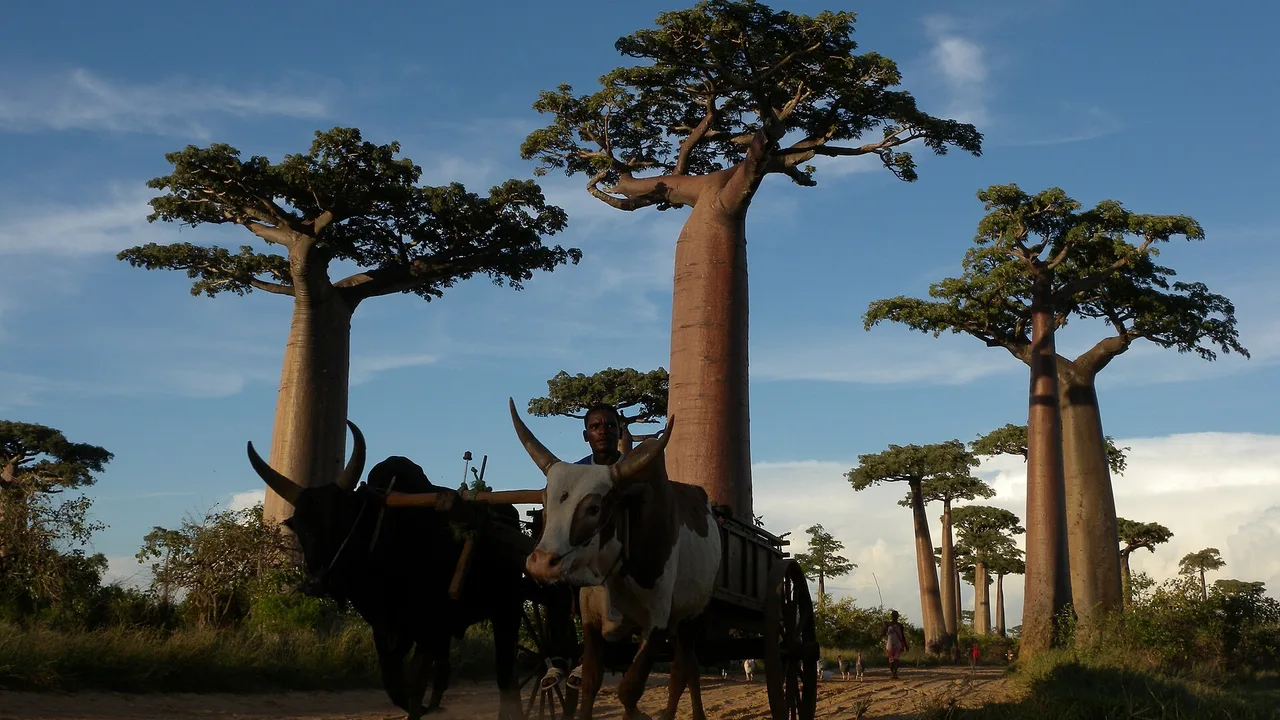
Route Nationale 7 is the road most first-time visitors mean when they talk about travelling Madagascar overland. It runs from Antananarivo through the highlands towards Fianarantsoa, then on to the sandstone of Isalo and down to the coast at Tulear. Along the way the scenery keeps changing: rice terraces, brick towns, rainforest, wide grass, and finally the dry southwest. It is a road trip in the proper sense, and it only works if you treat the driving days as real days, not as empty space between parks.
This guide is about what the RN7 is actually like, which stops deserve a night, and how not to rush it. It complements the day-by-day two-week itinerary and the shorter 10-day itinerary, and it assumes you will travel with a private driver in a 4×4. The ready-made version is the Madagascar RN7 Tour.
How the Road Feels
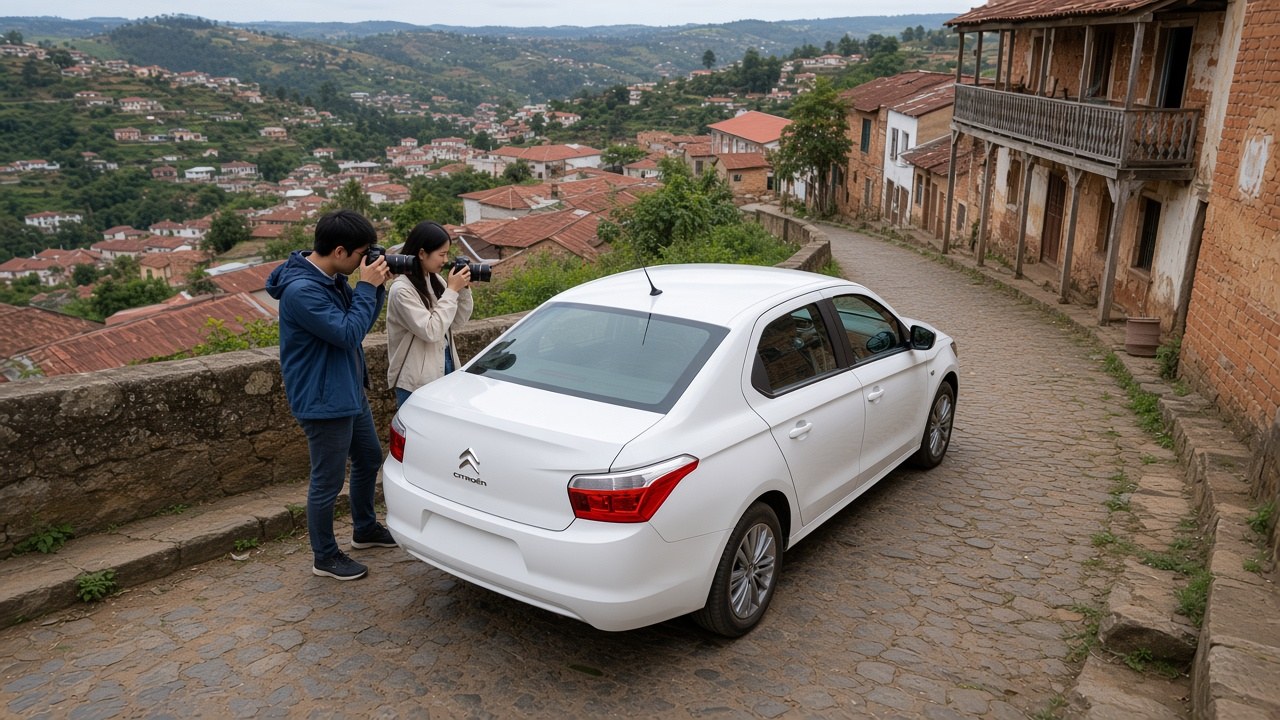
Some stretches of the RN7 are paved and relatively fast. Others are broken, slow, or busy with zebu, bicycles and people walking between villages. A distance that would be two hours in Europe can be a morning here, especially after rain or when you add photo stops. That is not a failure of the plan; it is the character of the trip. You will spend long hours looking out of the window, which is half the pleasure if you have not packed too much into the day.
A 4×4 with a driver is the sensible default. Self-drive is possible for experienced visitors, but a first RN7 is more enjoyable when someone else is watching the road. Taxi-brousses cover the same route more cheaply and much less comfortably, and they will not wait while you walk in a park at dawn. See the private driver guide and private drivers for how the hire usually works.
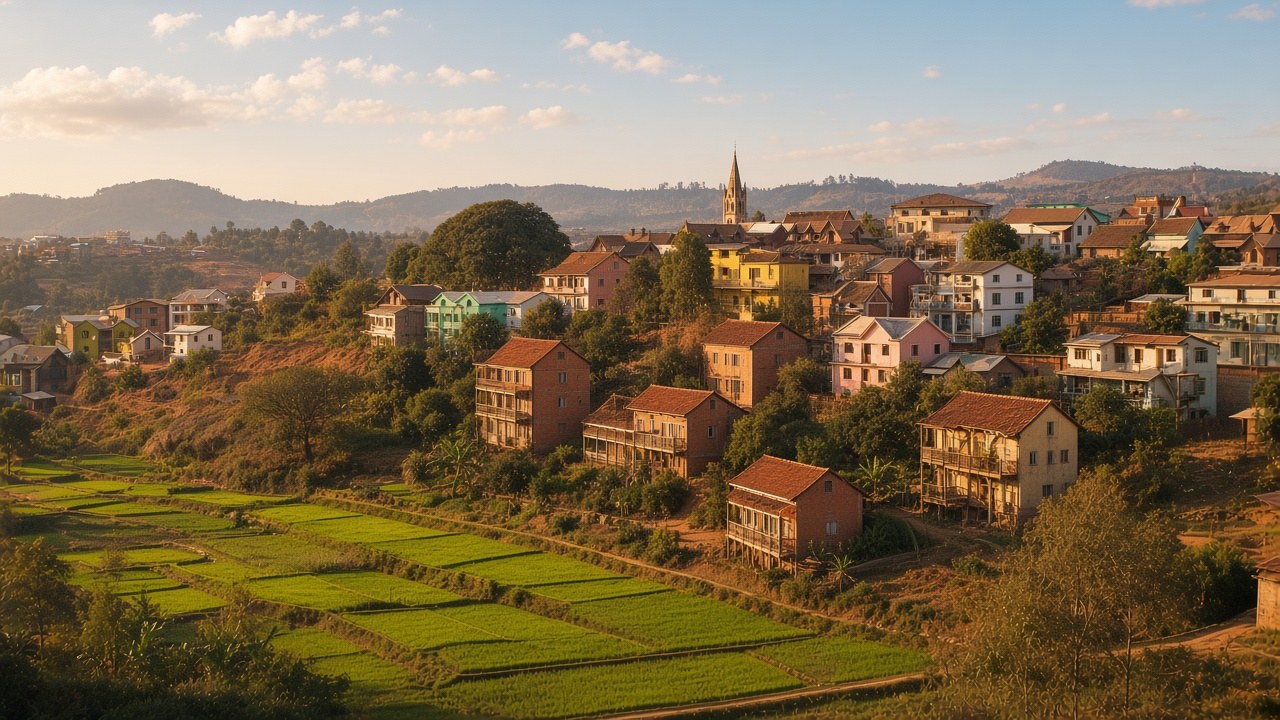
Cooler air, brick houses, workshops and a first overnight that breaks the journey out of the capital.
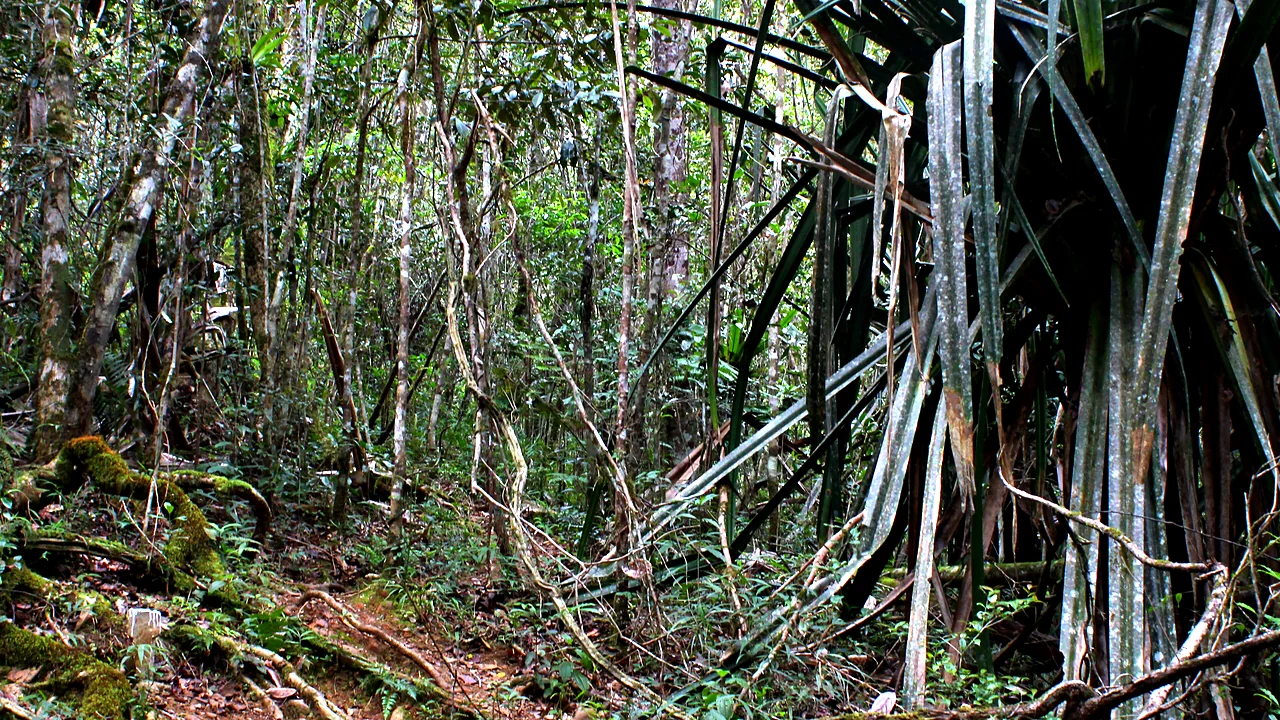
The most important forest on the road, worth a full day and a night walk, not a roadside pause.
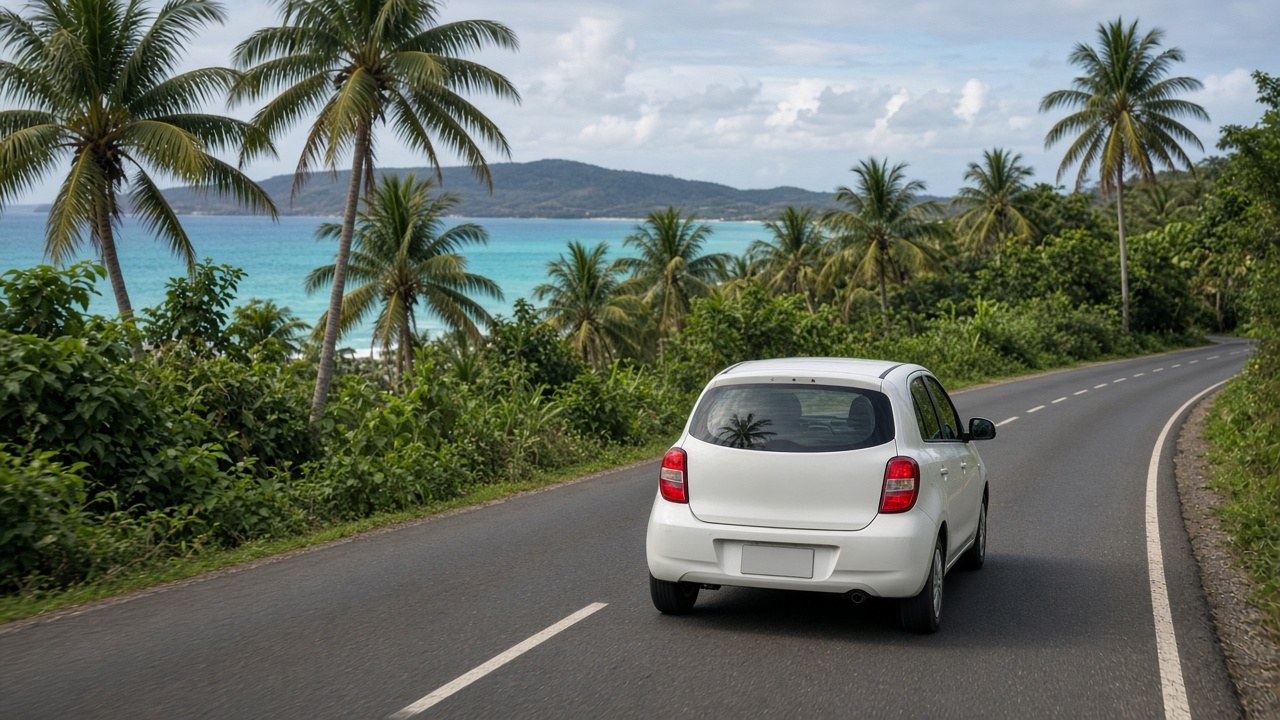
Canyons, natural pools, then the descent to Tulear, Ifaty or Anakao for a slower finish.
The Stops That Matter
Antananarivo is the start, not a place to invent a full city programme if you landed the evening before. A single night, or a morning at most, is enough for many RN7 travellers; the visit Antananarivo guide helps if you have more time. Andasibe is east of the capital, not on the RN7 itself. It is still the best first lemur stay if you can add two nights before you turn south, as the visit Andasibe page explains. If you cannot, be honest and leave it for another trip rather than squeezing a half day.
Antsirabe is the usual first highland night: a spa town with rickshaws, workshops and a cooler evening. Ambositra is a craft stop more than a destination, worth a pause for woodwork if you like, not necessarily a second hotel. Fianarantsoa is the last real highland city, a good base before or after Ranomafana, and the jumping-off point if you add Andringitra. Ambalavao has a wide valley, a famous paper and silk tradition, and the small Anja community reserve, which can be a rewarding short lemur walk if the timing is kind.
Ranomafana is not optional if wildlife is part of why you came this way. Stay two nights, walk a full day, and add a night walk. The Ranomafana National Park excursion should be the centre of that stay. Then give Isalo two nights as well: a canyon walk and a natural-pool walk on separate half-days. The Isalo National Park excursion and the visit Isalo guide set the tone. After that, the road drops to Tulear and the coast.
The Coastal Finish, and Whether to Drive Back
Ifaty, Mangily or, with a boat, Anakao are the usual places to stop driving and swim. They are not tropical-island clichés in every season, but they are a genuine change of pace after the canyons. A domestic flight from Tulear back to Tana is the clean way to end the trip. Driving the same road north again costs you two days and repeats the views. If you have those days and like the highlands, a slower return is possible; most first-time visitors are happier flying.
Do not add the Tsingy de Bemaraha or a Nosy Be week onto the same short RN7. Those are other circuits, as the west and island guides make clear. If you have a third week, fly and start again, rather than drawing a heroic line across the map.
- Travel the route as the Madagascar RN7 Tour.
- Add rainforest with the Ranomafana excursion.
- Finish on the coast with Ifaty or a stay near Tulear.
When to Go, What It Costs, and Where to Stay
The dry season, roughly April or May to November, is the most practical window for the RN7. Roads are easier, Isalo is clearer, and you still need a warm layer for highland evenings and an early start at Ranomafana. The wetter months are greener and quieter, with a higher chance of slow, damaged road sections. Use the best time to visit Madagascar and pack from the packing list, with dust and a dry bag in mind.
Mid-range lodges along the route often fall in a planning range of about EUR 50 to 180 a night. A 4×4 with driver and fuel is commonly about EUR 80 to 160 a day. Park entries and guides add about EUR 20 to 50 per person on walking days. A mid-range RN7 of 10 to 14 days, with a domestic flight back, often sits in a broad envelope of about EUR 1,800 to 3,500 per person, depending on rooms and season. See Madagascar travel costs for the breakdown, and book park-edge rooms first: Ranomafana, Isalo and a coastal hotel near Tulear.
| Item | Typical planning range |
|---|---|
| Comfortable RN7 length | 10 to 14 days, including a flight back from Tulear |
| 4×4 with driver and fuel, per day | About EUR 80 to 160 |
| Mid-range lodge, per night | About EUR 50 to 180 |
| Park days at Ranomafana and Isalo | Two nights at each, not one |
If you enjoy crafts, build a slightly longer stop in Ambositra or Ambalavao, but keep it as a pause, not as a reason to cut a park night. A workshop visit is more satisfying when you arrive in daylight and still reach the next hotel with time to unpack. That is the RN7 in miniature: the road gives you plenty to look at, provided you do not try to collect every possible stop on the same day.
Tips and Common Mistakes
The usual mistake is to count nights by towns rather than by parks: one night everywhere, and no morning walk that starts at dawn. The second is to skip Ranomafana because it is “only a stop on the way to Isalo.” The third is to drive back to Tana on the last two days and miss the coastal pause and the flight. Leave one unscheduled afternoon in the plan. Something will run late, and that gap is what keeps the rest of the trip calm.
Carry cash for small towns, snacks for the car, and a sense of courtesy at village photo stops; the etiquette guide is useful on a road that passes through so much daily life. If you want a first-time overview before you choose this circuit over the west or the north, read the wider planning notes once you have compared the west-coast alternative around Morondava. For short add-ons at individual towns, browse Madagascar excursions.
A last practical habit: agree each day’s latest arrival with the driver the evening before, and do not add a “quick” extra reserve at lunchtime. The RN7 is already a full road. The pleasure is in watching it change, and in giving the forests and canyons the nights they need.
Frequently Asked Questions
How long does an RN7 road trip take?
Ten days is a compact version; 12 to 14 days is more comfortable, especially if you add Andasibe at the start and a coastal finish.
Do I need a 4×4?
Yes, as a default, with a professional driver. Some paved stretches look easy, but the whole circuit is not a simple city car journey.
Should I fly back from Tulear?
Usually yes. Driving north on the same road costs two days that most first-time visitors would rather spend at the coast or at home with a buffer.
Can I add the Tsingy or Nosy Be?
Not in the same short trip without cutting the RN7 to the point of disappointment. Those are separate circuits, reached by flight.
When is the best time to drive the RN7?
The dry season is the most practical. Highland evenings stay cool, and Isalo is clearer for walking.
Get Your Free Custom Madagascar Tour Quote Today!
Tell us how many days you have for the south. We will shape an RN7 route around realistic driving times, two-night park stays and a sensible flight back to the capital.
Browse Multi-Day Tours Explore Short Excursions