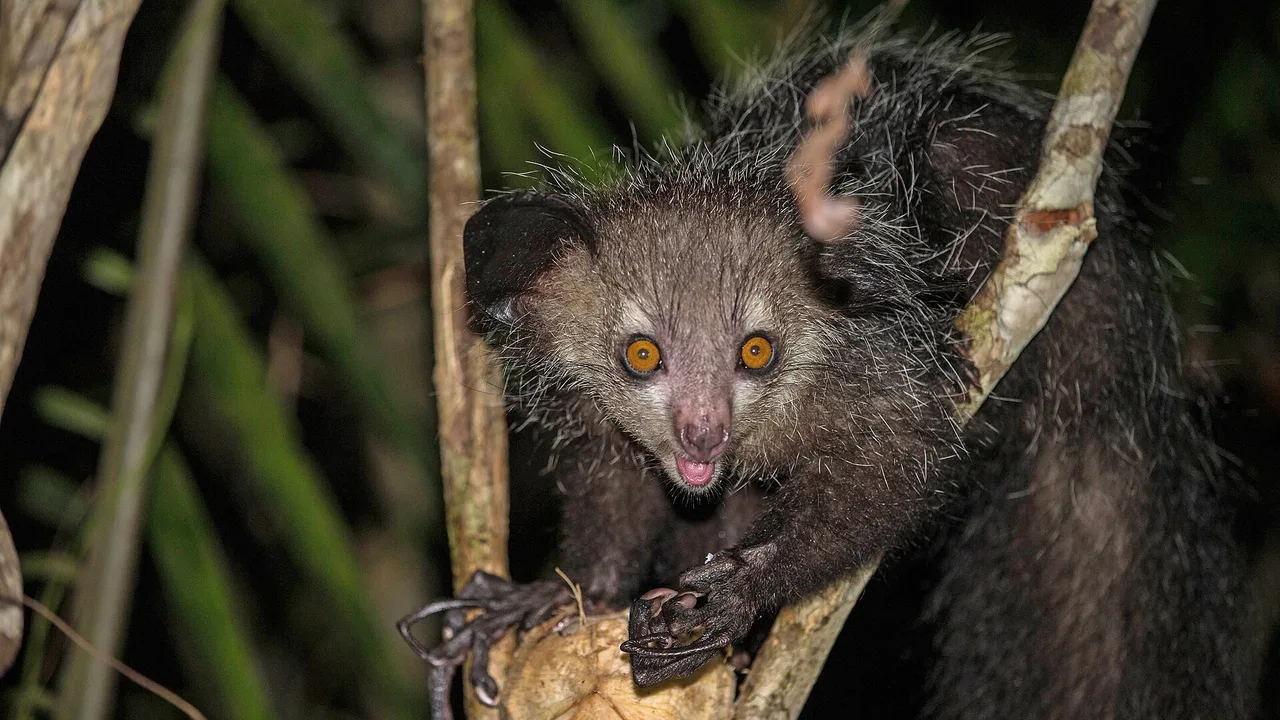
The aye-aye looks like a creature designed by committee, and that is precisely why people travel a long way to try to see one. It is a nocturnal lemur, the only living member of its family, with incisors that grow continuously, a thin middle finger used to tap and extract food, and a reputation that in some stories has done it no favours. In the wild it is elusive. On a first Madagascar circuit you should not treat it as a standard sighting, any more than you would treat a fossa as a scheduled appointment at lunchtime.
This guide is a practical account of how travellers usually look for an aye-aye, what a night visit involves, and how to build a trip around the possibility rather than around a guarantee. For the wider lemur picture, use the lemurs guide and the wildlife guide. For first-time routing, the first-time guide will already have warned you not to add the east coast as a flourish at the end of the RN7.
Where Visitors Usually Look
The most commonly organised night visit is on Aye-Aye Island and in the Mananara area, on the way towards the north-east, often reached in connection with Maroantsetra or a carefully planned east-coast itinerary. The Aye-Aye Island night visit in Mananara Nord is the usual formal excursion on this site. Other east-coast and Pangalanes-area sites sometimes offer managed night walks where aye-ayes are habituated to a feeding arrangement or a regular route. Those visits can be successful, and they raise fair questions about how close, how many lights, and how artificial the encounter is.
What they are not is a stop you can add after dinner in Andasibe on a standard two-week south or west trip. Andasibe remains outstanding for indri and for a mixed night walk, as the Andasibe night walk shows, but it is not an aye-aye destination in the same way. If this animal is a priority, the east or north-east must be a chapter of its own, with flights, boats or long roads accepted in advance. The visit Maroantsetra guide and, for a deep forest expedition, the Masoala Rainforest Expedition are the kind of planning tools you need, not an extra night on the RN7.
A dedicated night outing on a planned east-coast itinerary, with patience and a guide who knows the site.
Some lodges and reserves offer habituated or regular night viewing. Ask how the encounter is run before you book.
An RN7 or a short Andasibe-and-west trip is unlikely to include a serious aye-aye chance, and should not be sold as if it did.
What a Night Visit Feels Like
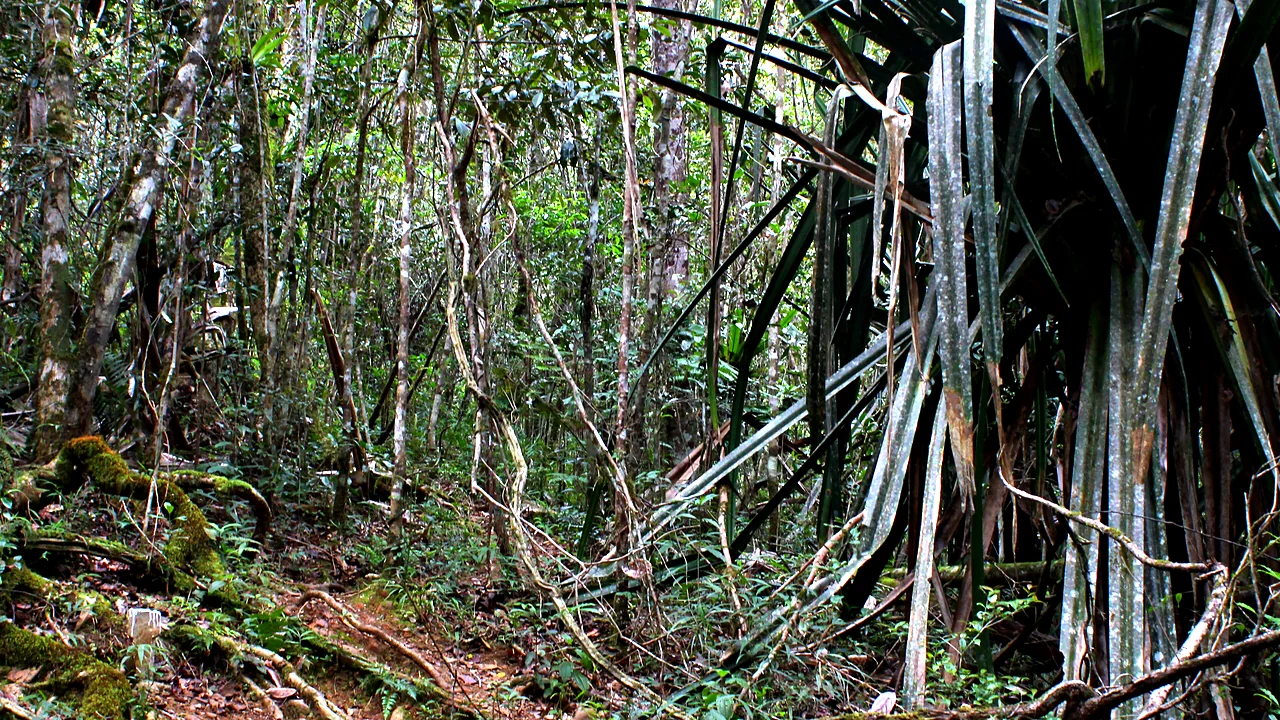
You will be out after dark, walking slowly, often in warm, humid air, with a guide and a red or lowered light. The animal may appear quickly, late, or not at all. When it does, the moment can be brief: a shape in a tree, the famous finger at work, a pale face, and then a retreat into leaves. A good guide will keep the group small, the voices low, and the time with the animal limited. A poor visit is a crowd, a white spotlight, and a sense that the aye-aye has no choice but to perform.
Ask, before you pay, how the site manages visitors. Habituation and some feeding exist in certain places; you should know that, and you should still keep your distance and refuse to tempt the animal yourself. The ethics are not simple, and a blanket refusal of all managed sites would also close one of the few ways travellers can see a critically uncommon nocturnal species without a research expedition. What you can do is choose the quieter, better-run visit, and behave as if the privilege were fragile, because it is. The etiquette guide applies after dark as much as in a village.
- Look at the Aye-Aye Island night visit.
- Place it inside a wider east or north-east plan such as the Madagascar East Tour.
- Or compare deeper forest travel on the Masoala Rainforest Expedition.
Season, Costs, and How to Prepare
Aye-ayes are nocturnal all year. The quality of a visit depends more on the site, the guide, the weather and luck than on a single magic month, though east-coast travel is affected by rain and by the cyclone-prone season, which can disrupt boats and flights. Build flexibility into the plan, as the best time to visit Madagascar and the domestic flights guide would also advise for this coast. A night visit is not a reason to drop insect precautions; the health guide still applies.
A specialist night visit is usually priced as a distinct excursion, often higher than a standard park night walk, and should be quoted clearly, including transfers. As a planning range, think in terms of a special outing rather than a casual EUR 20 add-on; it may sit from several tens of euros into a couple of hundred per person depending on the site, the boat and the group size, plus the cost of simply being on the east coast. That last line is the real expense: flights, lodges around Maroantsetra or another east-coast base, and the days you will not spend on the RN7. See travel costs and the Maroantsetra airport transfer page.
Bring a quiet torch if the organiser does not provide one, long sleeves, closed shoes, and a willingness to be led. Pack as for a humid night walk, using the packing list as a base. Tell the guide if you are unsteady in the dark. Do not expect a long photographic session with flash.
| Item | Typical planning range |
|---|---|
| Specialist aye-aye night visit, per person | Often a distinct excursion fee, from several tens of euros upward depending on the site |
| The larger cost | Getting to the east coast and staying long enough for a proper night outing |
| Best approach | A dedicated chapter, not a hope at the end of an RN7 |
| Guarantee of a sighting | None, even at a well-known site |
Tips and Common Mistakes
The main mistake is to believe a brochure that implies an aye-aye will appear on any first trip. The second is to join a noisy, overcrowded night visit and to add to the noise. The third is to travel a long way and then give the site a single exhausted hour after a delayed transfer. Spend the night nearby, start at the time you are given, and treat a blank walk as a night in a remarkable forest, not as a refundable product.
If you care more about indri, sifakas and a classic first itinerary, you can love lemurs deeply without this animal on the list, and you should feel no failure in that. If the aye-aye is the reason you are coming, say so early, and let the rest of the trip be built around the east rather than squeezed in. A tour or a set of excursions can hold the boats and the nights together; a hopeful later addition usually cannot.
A last thought: some of the old folklore around the aye-aye has been unkind to the species. You do not need to repeat it, and you do not need to dramatise the animal into a monster or a mascot. It is a lemur, extraordinary and vulnerable, and a quiet, limited view of one at night is one of the great privileges Madagascar can still offer when the plan is honest.
If you take photographs, use the light the guide allows, avoid sudden white flash at close range, and do not step off the path for a better angle. A short, sharp memory of the animal in the tree is better than a long, stressful encounter. That standard is how these visits can continue to exist without turning a rare lemur into a nightly spectacle.
Frequently Asked Questions
Will I see an aye-aye on a standard two-week trip?
Usually not, unless you have built a dedicated east-coast chapter. Andasibe night walks are outstanding for other nocturnal species, not a reliable aye-aye plan.
Where is the best place to look?
Organised night visits in the Mananara area, including Aye-Aye Island, are the most commonly arranged option. Some other east-coast sites also offer managed viewing. Ask how the visit is run.
Is a sighting guaranteed?
No. Even at well-known sites, the animal may not appear, or may appear only briefly.
Are habituated night visits ethical?
It depends how they are managed. Ask about group size, lighting and feeding, choose the quieter operation, and keep your own behaviour careful.
When should I go?
Aye-ayes are nocturnal all year. Plan around east-coast weather, flights and a flexible night, rather than around a single supposedly perfect week.
Get Your Free Custom Madagascar Tour Quote Today!
Tell us if an aye-aye night visit is a priority. We will only include it when the east-coast flights, transfers and nights can support a proper search, not as a hopeful extra on another circuit.
Browse Multi-Day Tours Explore Short Excursions