A Madagascar trip is usually remembered for forests, roads and the sea, not for the clinic. That is more likely if you do the dull work early: see a travel-health professional at home, take out insurance that can actually help you here, and build a few simple habits for water, food, sun and insects. This page is a practical briefing for travellers, not a diagnosis and not a prescription. What you take, and whether a particular vaccine or malaria tablet is right for you, is a decision for a clinician who knows your history.
Read this alongside the packing list, the safety guide and the first-time guide. If you are travelling with children, also use the family guide and take the children to the same kind of clinic appointment, because advice often changes with age.
See a Clinic Before You Book the Fine Details
Make the appointment early, ideally several weeks before you fly, and take your itinerary with you. A week that stays in Antananarivo and Andasibe is not the same as a month that includes the west, the north-east and a river trip, and a clinician can only help if they know where you will sleep. Tell them about pregnancy, long-term medication, immune conditions and previous vaccine records. Do not rely on a last-minute airport conversation, and do not copy a fellow traveller’s tablet because it “worked for them.”
Madagascar is a malaria-risk country in many regions. Prevention may include tablets, and it always includes insect precautions: long sleeves at dusk, a repellent you can actually use, and protected sleeping space. Your clinic will tell you which regimen, if any, suits you. The same appointment is the moment to discuss vaccinations, including those commonly considered for this part of the world, and any extras that depend on the kind of travel you do. This article will not name a scheme as if it were universal, because it is not.
A personal medical plan, insurance that includes evacuation, and a small kit you already know how to use.
Simple habits that prevent most ordinary problems, especially on hot road days and in the forest at dusk.
Lodge staff and your operator can help you reach a clinic in town. Serious cases may need a transfer to the capital or an evacuation plan.
Water, Food, Sun and Everyday Care
Drink sealed bottled or properly treated water, including when you clean your teeth if you want to be cautious, and be careful with ice in casual drinks. The food guide is about enjoyment as well as caution: busy stalls, food cooked to order, peeled fruit, and a little restraint in the first days if your stomach is still adjusting. Wash or sanitise your hands before eating, especially on market days and long drives. Most travellers eat well throughout a two-week trip; a sudden change of diet plus heat is as often the problem as a single plate.
The sun is stronger than many visitors expect, even in the highlands, and it is unforgiving on boats and on the limestone of the tsingy. Use a hat, a high-protection cream, a rash vest in the water, and more drinking water than you think you need. Heat and dehydration ruin more park days than almost anything else. A light layer for cool Andasibe or Andringitra evenings belongs in the same bag, because days can swing.
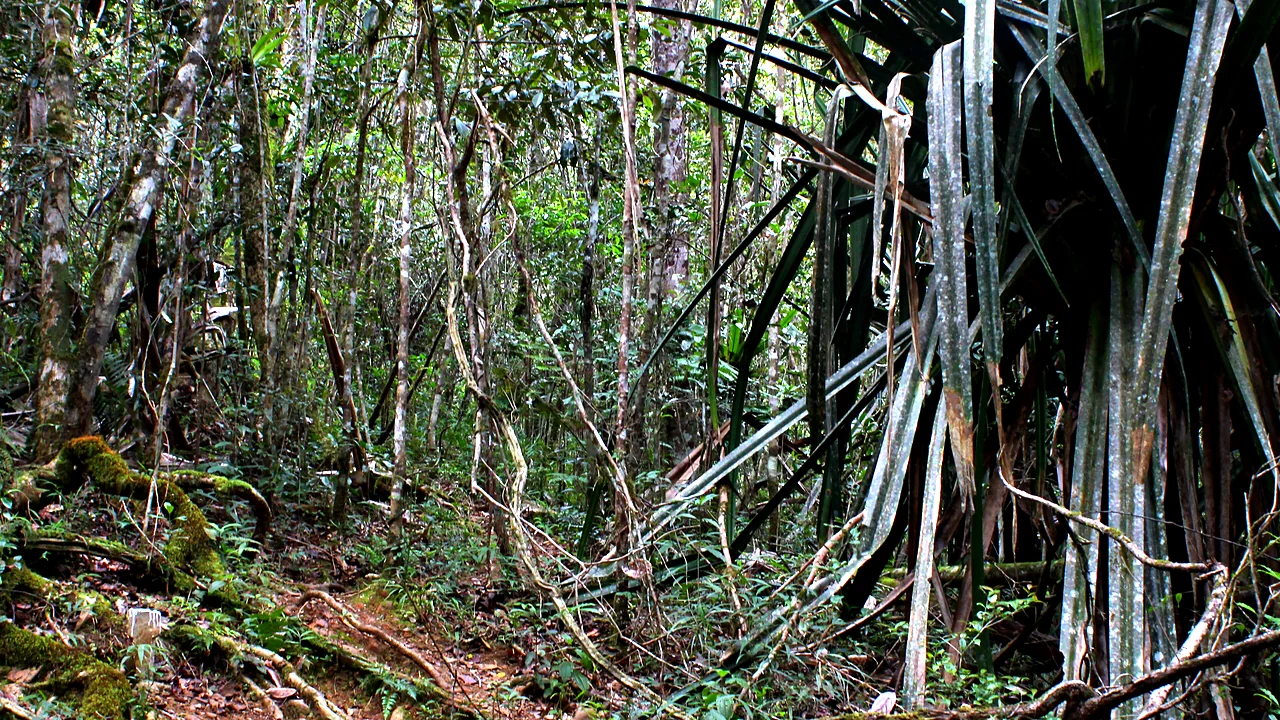
Look after your feet and your skin on wet forest walks and on laterite roads. Blisters, scratches and infected insect bites are ordinary nuisances that get worse if you ignore them. A simple kit should include plasters, a mild antiseptic, any personal medication, oral rehydration salts, a thermometer, tweezers, and the insect repellent and sunscreen you already tolerate. Add what your clinician recommends; do not improvise unfamiliar medicines because a market stall sells them.
- Build the route from the first-time guide so days are not exhausting.
- A private driver makes it easier to rest, snack and avoid night driving.
- Browse multi-day tours if you want the logistics held together.
Mosquitoes, Animals and Insurance
Dusk and dawn are the important hours for bites in many areas. Use repellent, cover your arms and legs, and sleep under a net or in a properly screened room. This is part of malaria prevention and it also reduces other insect-borne nuisances. In wet forests, leeches can appear; they are unpleasant rather than usually dangerous, and a calm check at the end of the walk is enough for most people. In some freshwater bodies, there can be additional risks; follow local and medical advice about swimming in lakes and slow rivers, and never swim where crocodiles are present, including places such as Lake Ravelobe in Ankarafantsika.
Dogs and some other animals can carry rabies. Do not pet stray dogs, and treat any bite or scratch as a reason to seek medical care promptly, even if you have discussed pre-exposure vaccination at home. The same common sense applies to wildlife: look, do not touch, and do not feed lemurs or other animals. A park guide is there for more than spotting.
Travel insurance for Madagascar should include medical care and emergency evacuation, and you should read the small print for trekking, diving or remote parks if those are in the plan. Keep the policy number offline and share it with someone at home. Pharmacies in larger towns can be helpful for simple supplies; they are not a substitute for a clinic when you are properly unwell. Serious care is more limited outside Antananarivo. That is one reason a buffer night in the capital before an international flight is wise, and one reason not to plan a remote trek without a support plan.
| Item | Practical note |
|---|---|
| Travel clinic | Several weeks before departure, with your exact route |
| Insurance | Must include medical care and evacuation, plus any activities you will do |
| Water | Bottled or treated, including caution with ice |
| Everyday kit | Personal medicines, rehydration salts, plasters, repellent, sun protection |
Tips, Pace and When to Get Help
The main health mistake on this trip is exhaustion: too many dawn starts, too little water, and a schedule that leaves no afternoon to recover. The second is to treat insect precautions as optional because you “don’t usually get bitten.” The third is to wait too long when you are actually ill, hoping it will pass on a long road day. Tell your driver or lodge early if you feel unwell. A delayed transfer is better than a crisis in a remote park.
Pace is a health tool. Two-night park stays, a private driver rather than a packed taxi-brousse, and a beach chapter at the end of the trip all make illness less likely and recovery easier. If you have a condition that needs regular medication, carry it in your cabin bag with a spare supply, plus a copy of the prescription. For sea days, the snorkelling and diving guide already notes that dive fitness is a medical question, not a boat question.
If you need care in the capital, your hotel or operator can usually point you to a clinic used by residents and visitors. In smaller towns, start with the lodge and a local doctor if there is one, and be ready to travel to a larger centre if advised. This is another argument for not driving at night and for keeping a phone and a written list of contacts, even though coverage fades in the parks, as the SIM card guide explains. None of this should make the country sound unwelcoming. It should make a beautiful trip more relaxed, which is the point of preparing well, and of travelling at a pace your body can enjoy.
Frequently Asked Questions
Do I need malaria prevention in Madagascar?
Many regions have a malaria risk, and you should discuss prevention with a travel clinic. Do not copy another traveller’s medication without advice.
Can this guide tell me which vaccines to get?
No. Vaccine decisions are personal and should be made with a clinician who has your records and your itinerary.
Is the tap water safe to drink?
Visitors should use bottled or properly treated water. Be cautious with ice and with unpeeled fruit if your stomach is sensitive.
What should I put in a small medical kit?
Your own medicines, oral rehydration salts, plasters, a mild antiseptic, a thermometer, tweezers, repellent and sun protection, plus anything your clinic suggests.
What insurance do I need?
Cover for medical treatment and emergency evacuation, with the small print checked for trekking, diving or remote travel if those are in your plan.
Get Your Free Custom Madagascar Tour Quote Today!
Tell us your dates and how you like to travel. We will design a route with realistic driving days, proper park nights and time to rest, so the trip is demanding in the right ways only.
Browse Multi-Day Tours Explore Short Excursions