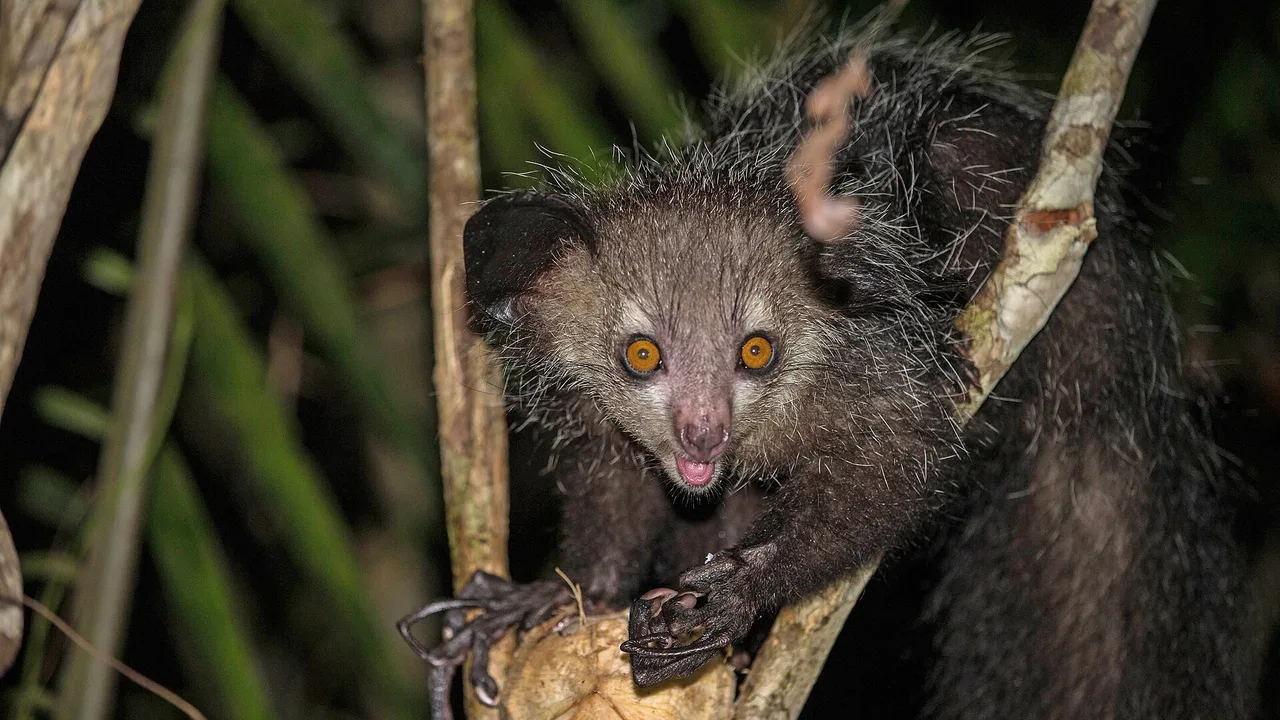
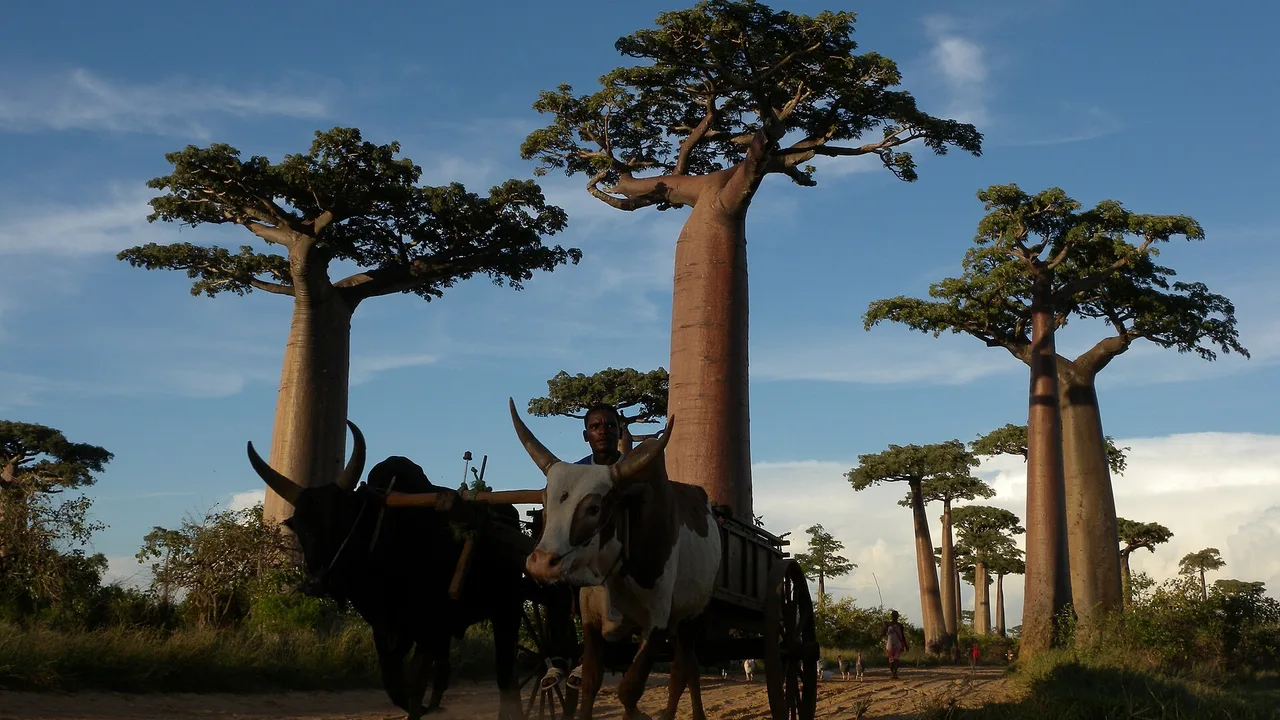
There is no other place quite like this for a naturalist, or for a traveller who simply wants to stand in a forest and watch something that exists nowhere else. Lemurs are the headline, and they deserve to be, but they are not the whole story. Madagascar also holds the fossa, a remarkable set of chameleons and frogs, a bird list that keeps specialists coming back, and, in the mid-year months, humpback whales along parts of the coast.
This guide is a practical overview of Madagascar wildlife: where the main encounters happen, how to build park days around them, and how not to treat a rare animal as a guarantee. For lemurs in more depth, use the lemurs guide. For a first route, start with the first-time planning guide and then let the animals help you choose between the RN7, the west and the north.
Lemurs, Park by Park
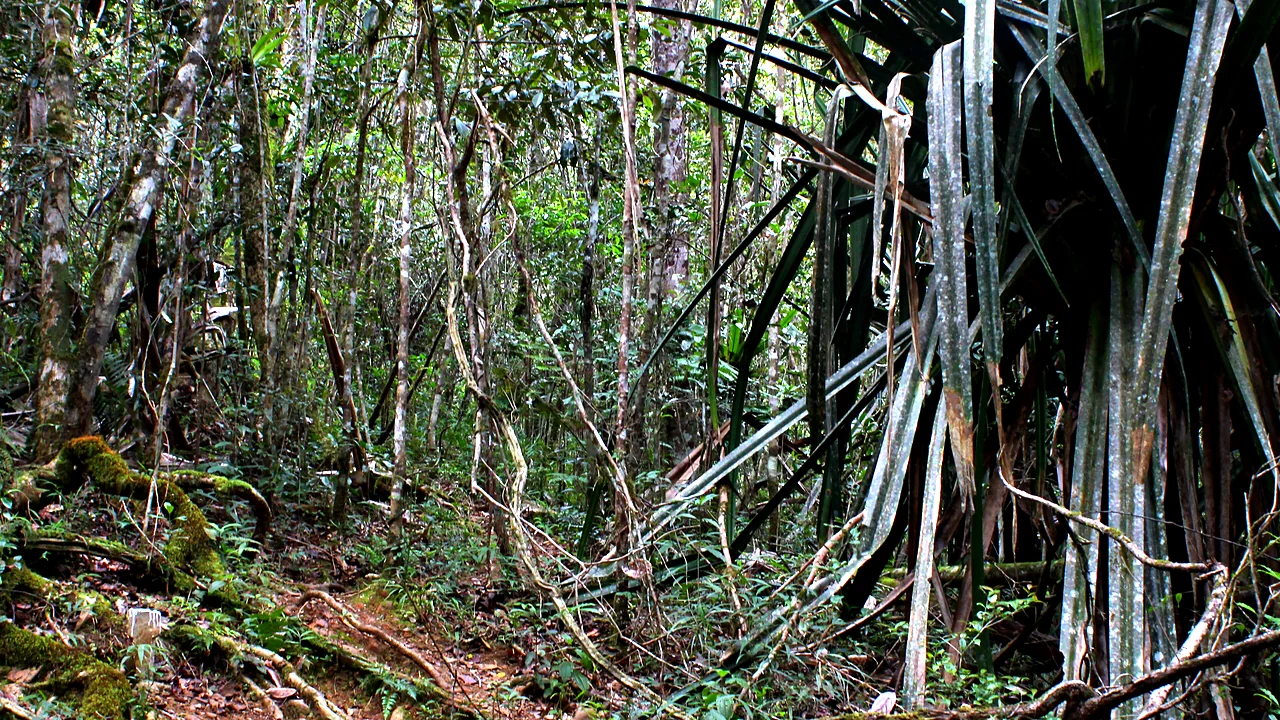
The species you see depends almost entirely on the habitat. Andasibe is the accessible place for the indri, whose call can carry across the valley at dawn, and for a mixed eastern set plus an excellent night walk. Ranomafana, on the RN7, is wetter and steeper, with bamboo lemurs among its prizes. The west around Kirindy is a different cast: nocturnal species, the giant jumping rat, and a real chance of a fossa. The south, including Berenty, is the classic ground for ring-tailed lemurs and Verreaux’s sifakas. The north adds crowned lemurs at Ankarana and Amber Mountain, and Coquerel’s sifaka at Ankarafantsika. The silky sifaka belongs to a more committed trek in Marojejy.
A licensed local guide is not optional in the parks, and is the difference between a lucky glimpse and a morning of watching. Stay two nights at each important forest. One overnight produces more missed sightings than you expect. Start early, walk quietly, and never feed the animals. Habituation in some reserves makes viewing easier; it does not make a close, noisy approach acceptable.
Indri, bamboo lemurs and rich night walks in rainforest, the usual opening of a wildlife-first trip.
Dry-forest specialists, a fossa possibility, and the famous southern lemurs in gallery forest.
Crowned lemurs, Coquerel’s sifaka, and, for a serious trek, the silky sifaka in remote rainforest.
Fossas, Reptiles, Birds and Whales
The fossa is Madagascar’s largest carnivore, usually shy, and most realistically looked for in the west, especially around Kirindy on an overnight stay in the dry season. You may also hear stories from other dry forests; treat them as stories until you are there with a guide after dark. The Kirindy forest guide sets honest expectations. A blank night is still a good night if the mouse lemurs and the forest itself were worth the walk.
Chameleons, geckos and frogs are a daily pleasure if you slow down. Night walks in Andasibe, Ranomafana and Amber Mountain often produce as much delight as the morning lemur circuit. Do not pull animals off branches for a photograph. Birders will want a slightly different pace and, in some parks, a specialist guide; Ankarafantsika, the eastern rainforests, and some southern spiny-forest sites are particularly valued. The Madagascar Birdwatching Tour is the dedicated version of that interest, and the Wildlife Expedition Tour is the broader mammal-and-forest version.
Humpback whales are a seasonal coastal extra, typically in the mid-year months, around Sainte-Marie and also off the south-west near Ifaty and Anakao, among other stretches of coast. A whale day is a boat day, subject to weather, and it should sit on top of a stay that is already worth doing if the sea is too rough. The Sainte-Marie Whale Tour is built around that window; the Ifaty and Anakao guide covers the south-west side.
- Start with the Andasibe Indri excursion.
- Add a dry-forest night at Kirindy or a south-park stay at Ranomafana.
- Or travel the Wildlife Expedition Tour.
Season, Costs and How to Watch Well
You can see wildlife all year. Many visitors find September to November especially lively, because infants appear in several lemur species and reptiles are more active as the forests warm. Dawn is the important hour for indri. Night walks work in every season, though they are wetter from December to March. In the dry west, a thinner canopy can make animals easier to see, at the cost of hotter walking. The best time to visit Madagascar should be read with your target species in mind, not only with average weather.
Park entry and a guide often fall in a planning range of about EUR 20 to 50 per person per day, more for specialist night visits or small private groups. Mid-range forest lodges commonly cost about EUR 50 to 180 a night. The real cost of wildlife watching, though, is time: two nights here, two nights there, and a driver or a flight to join the habitats. That is why a first wildlife trip is a 10- to 14-day plan, not a weekend of parks around the capital.
| Item | Typical planning range |
|---|---|
| Park entry and guide, per person per day | About EUR 20 to 50 |
| Mid-range forest lodge, per night | About EUR 50 to 180 |
| Useful stay at a main park | Two nights, with a night walk |
| First wildlife-focused trip | 10 to 14 days, one or two regions, not four |
How a Wildlife Day Actually Works
A good day is simple. You leave the lodge early, walk with a guide for several hours, return late morning, rest in the heat, and go out again at dusk or after dinner if there is a night walk. Lunch can be at the lodge or a packed meal on a longer circuit. What does not work is a late breakfast, a short walk, and a long transfer to the next park the same afternoon. That pattern is how people “do” three parks and remember little except the car.
Tell the guide at the start what you most hope to see, and also what you are happy to linger over: a sleeping chameleon, a bird, a frog, a group of lemurs that is already in view. The last of those is often more satisfying than a march towards a species that is not calling that morning. In popular parks, starting before the larger groups is the kindest thing you can do for your own experience and for the animals. In quieter parks, patience matters more than speed.
If you are combining marine life with forests, keep them in separate chapters. A whale week on Sainte-Marie or a reef stay at Ifaty is a wonderful second act after Andasibe or the RN7, not something to sandwich between two long road days. The sea has its own weather and its own timing, and it deserves the same respect you would give a national park: a proper stay, not a single outing snatched from a transit afternoon.
Tips and Common Mistakes
The main mistake is a list of animals instead of a list of habitats. You cannot honestly add silky sifaka, fossa, indri and whales to a single short holiday without turning most of them into a rush. The second is to skip the night walk. The third is to behave as if a habituated lemur were a prop. Keep your distance, keep voices low, and let the guide set the pace. The etiquette guide applies in the forest as much as in a village.
Bring binoculars if you have them, a quiet torch for night walks, and clothes you can get muddy or dusty. The packing list covers the rest. If you are travelling with children, choose Andasibe and a gentle reserve over a Grand Tsingy or a remote trek, as the family guide suggests. Photographers should say so early, so the day can start at the right hour, and should not expect a guide to break park rules for a closer shot.
A last thought: some of the best wildlife hours happen when you have already seen “the” animal and you stay on the path anyway. A second morning in the same forest is not a repetition. It is often when the trip becomes more than a checklist. Leave that morning in the plan, and let a tour or a set of excursions be built around it rather than around a map with too many pins.
Frequently Asked Questions
Where is the best place to see wildlife in Madagascar?
It depends on the species. Andasibe is the most accessible starting point for lemurs. Add a second habitat, such as Ranomafana, Kirindy or Berenty, rather than collecting many parks at speed.
Will I see a fossa?
Possibly, if you stay overnight in a western dry forest such as Kirindy in the dry season. It is never a guarantee.
Are night walks worth it?
Yes. Many lemurs and most reptiles and frogs are more visible after dark, and the forest feels different.
When is whale season?
Humpback whales are typically seen in the mid-year months around Sainte-Marie and some other coasts, when sea conditions allow.
How long should a wildlife trip be?
Ten to 14 days is the realistic first range, with two-night stays in the main parks and only one or two regions.
Get Your Free Custom Madagascar Tour Quote Today!
Tell us which animals you most hope to see. We will build park nights, night walks and transfers around habitats that fit one trip, with time to watch rather than to tick names off a list.
Browse Multi-Day Tours Explore Short Excursions