If you have only one organised boat day on Nosy Be, this is usually the one. Nosy Komba, also called Nosy Ambariovato, is the volcanic island you see across the water, with a village, forested slopes, and, on many visits, black lemurs that are used to people. Nosy Tanikely is smaller, a marine reserve with a lighthouse, a short walking path, and snorkelling that is the real reason many travellers book the combination. Together they make a full, satisfying day, provided you start early and do not try to add a third island afterwards.
This guide covers how the outing works, how to behave around the lemurs, and how to get a good hour in the water. It sits alongside the visit Nosy Be and beaches guides, and the practical booking is usually the Nosy Komba and Nosy Tanikely excursion. Transfers from Hell-Ville can also be arranged via the port transfer to Komba and Tanikely.
How the Day Is Usually Structured
Boats typically leave in the morning from a beach hotel or from Hell-Ville, cross to one island first, then the other, and return in the afternoon. Which island comes first can depend on the operator, the tide and the wind; Tanikely is often better earlier, when the water is clearer and the reserve is quieter. Lunch is usually a simple grilled meal on a beach or a village table. The day is not technically demanding, but it is a long time in the sun, and it is more enjoyable if you are a reasonably confident snorkeller or are happy to stay in shallow water.
You do not have to do this as a large mixed group. Private boats cost more and can be worth it if you want to change the order, leave earlier, or travel with children at a slower pace. A half day that includes only one of the islands is possible if you are short of time, but the combination is the classic for a reason. Adding Nosy Iranja to the same date is how a good day becomes a rushed one; keep Iranja for a second outing, as the Nosy Iranja excursion already suggests.
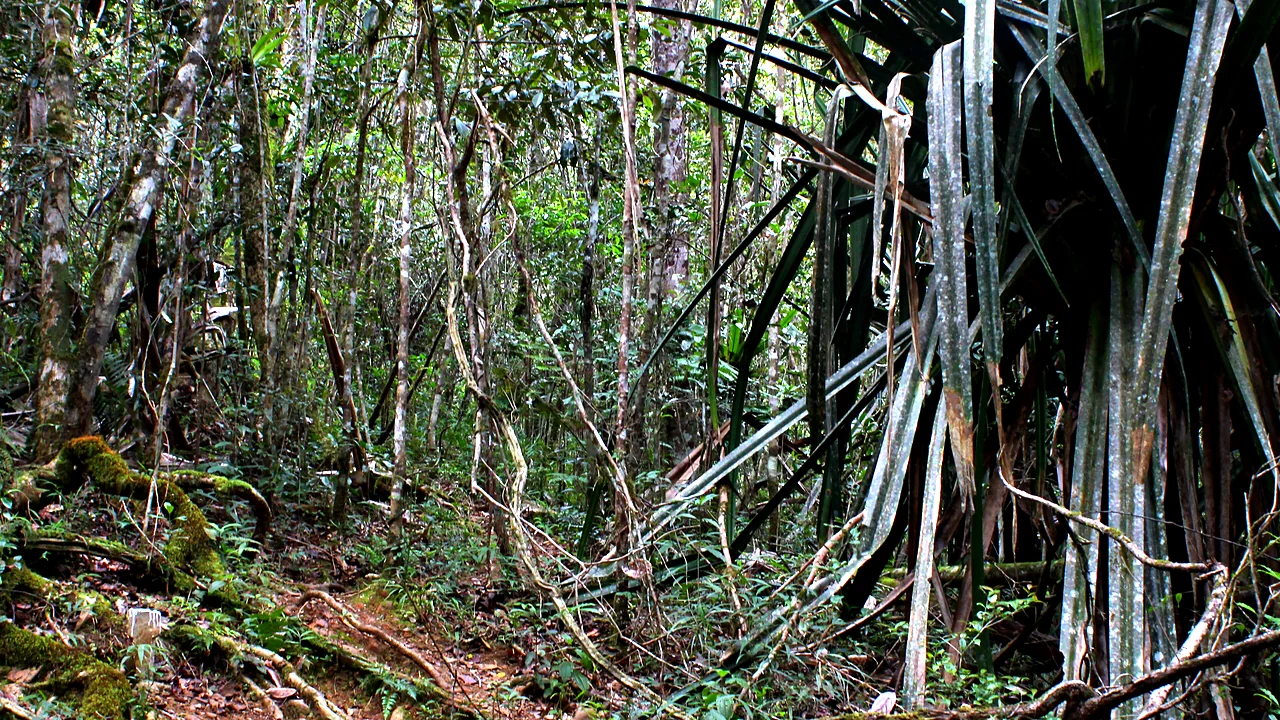
A short walk, local life, and often close views of black lemurs, which need more care than many brochures admit.
The snorkelling highlight: a small protected island, a path to the light, and shallow reef on a good morning.
A full day in the sun. Bring a rash vest, and do not pack a second island onto the same ticket.
Lemurs, Snorkelling and How to Behave
Black lemurs on Komba are often habituated, and in some spots they have been encouraged to come close for visitors. That makes for easy photographs and a more complicated ethical picture. Do not feed them, do not hold out fruit because someone else is doing it, and do not treat a lemur on your shoulder as a souvenir. A little distance, and a refusal to join a feeding circle, is the right example. If you want lemurs in a more natural context on this coast, look also at a morning in Lokobe National Park, which is a different kind of outing and a useful complement rather than a substitute for the marine reserve.
Tanikely is the water half of the day. On a clear morning you can see a good deal with a simple mask and snorkel, close to the island, with the lighthouse walk as a break in the sun. Wear something that protects your back, stay off the coral, and keep a little space from turtles or fish if you are lucky enough to meet them. The wider context is in the snorkelling and diving guide and in snorkelling in Nosy Be. If you are a certified diver, a more serious dive can be arranged on another morning through scuba diving in Nosy Be, rather than being squeezed into this mixed day.
Village stops on Komba can include a short walk, a viewpoint, or a crafts table. Greet people, ask before photographs, and buy something only if you want it. The etiquette guide applies on a tourist island as much as in a highland village. A vanilla or embroidered-cloth souvenir is part of many days here; it should not become a hard sell that eats the hour you needed in the water.
- Book the Komba and Tanikely excursion.
- Add a second sea day later with the Nosy Iranja excursion if you have the nights.
- Or place both inside the Island Escape Tour.
When to Go, What to Bring, and What It Costs
The day can be done through much of the year, with mornings generally calmer than afternoons and the drier months more predictable. Wind and rain can still cancel or shorten a trip, which is why a Nosy Be stay should be long enough to move the outing by a day. See the best time to visit Madagascar and book the boat after you have locked the hotel and the flight, as the flights guide would also suggest.
Bring your own mask if you have one that fits, a rash vest, reef-safe sun protection if you can, water, a dry bag, and a modest amount of cash. Shoes you can wet are more useful than formal sandals. A light long-sleeved shirt helps on the boat. The packing list covers the rest of the island stay. If you are prone to seasickness, take whatever you already know works, before you board, not after the first chop.
A shared boat day often sits in a planning range of about EUR 40 to 90 per person, including lunch in many cases, with private boats higher. Marine reserve or village fees may appear as a small extra. The trip is better value if you are already staying several nights on Nosy Be; it is a poor use of a single exhausted night between flights. Mid-range island hotels are covered in Nosy Be accommodations and in the costs guide.
| Item | Typical planning range |
|---|---|
| Shared Komba and Tanikely boat day, per person | About EUR 40 to 90, sometimes with lunch included |
| Private boat | Higher, and useful for families or an earlier start |
| Best time of day | An early departure, with Tanikely preferably in the morning |
| Useful Nosy Be stay around the outing | At least three or four nights |
Tips and Common Mistakes
The main mistake is a late start, which costs you the best water and puts you on Tanikely with more boats. The second is feeding lemurs or posing with them for a photograph. The third is stacking Iranja, Komba and a sunset cruise on the same date. Leave empty time on either side of this day: a slow evening at the hotel is part of the pleasure, not a wasted opportunity.
If you are travelling with children, say their ages when you book, choose a boat with shade, and treat the lemur visit as a short, well-behaved stop rather than as a petting zoo; the family guide is useful here. If you are on a honeymoon or a quiet couple’s stay, a private boat changes the tone more than a more expensive lunch. Health-wise, the sun is the real issue; see the health guide for general sun and water habits, and do not dive or snorkel if you are ear-sick or unusually tired.
A last practical thought: confirm the pickup point the night before, keep your phone in a dry bag, and do not leave your only pair of glasses on the bench of the boat. The islands are close, the day is simple, and it becomes a highlight when you give it the first chance in the schedule rather than the last.
Frequently Asked Questions
Is the Komba and Tanikely trip suitable for non-snorkellers?
Yes, though you will miss the best of Tanikely. You can still walk to the lighthouse, spend time on the beach, and visit Komba. Tell the operator if you prefer to stay shallow or dry.
Will I see lemurs on Nosy Komba?
Often, yes, because some groups are used to visitors. You should still keep your distance and refuse feeding, and you should not treat a sighting as a guaranteed show.
How long is the day?
Usually a full day, from a morning pickup to a mid- or late-afternoon return, with lunch in between.
Can I do this as a half-day trip?
Sometimes, by visiting only one island. The combination is the classic and is worth the full day if you have it.
When is the water best?
Mornings are generally calmer and clearer. The drier months are more predictable, but a Nosy Be stay should still have a spare day if the sea is rough.
Get Your Free Custom Madagascar Tour Quote Today!
Tell us how many nights you have on Nosy Be. We will place the Komba and Tanikely boat day early in the stay, with time for a second, slower sea outing if you want one.
Browse Multi-Day Tours Explore Short Excursions